
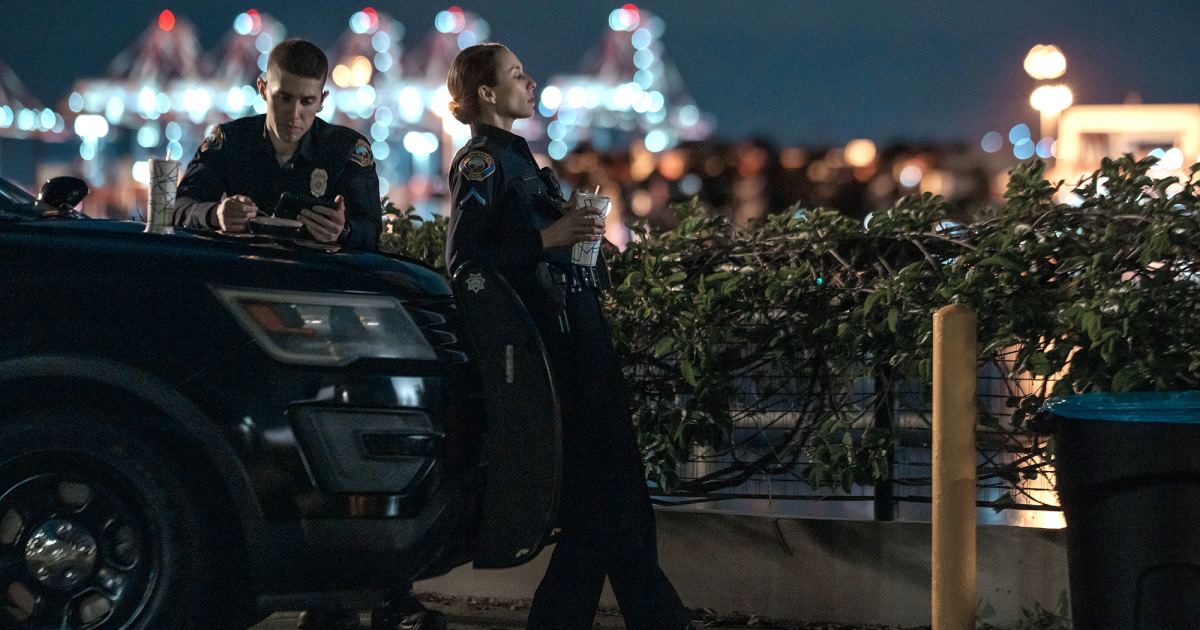
Behind the Scenes: How Police Ride Alongs Shaped On Call’s Dramatic Moments
In the world of television dramas, authenticity is a powerful tool that can elevate storytelling and engage audiences on a profound level. One show that has successfully tapped into this resource is “On Call,” a gripping series that dives into the unpredictable and often chaotic world of emergency services. Much of the show’s dramatic moments can be traced back to the genuine experiences of police ride-alongs, which have significantly influenced its narratives. This article explores how these real-life encounters shape the storytelling in “On Call,” enhancing its realism and emotional impact.
The Importance of Authenticity in Storytelling
Authenticity in storytelling plays a crucial role in how audiences connect with characters and plotlines. When viewers feel that a story is grounded in reality, they are more likely to invest emotionally in the characters and their journeys. This is especially true for dramas like “On Call,” which depict high-stakes scenarios that mirror real-life situations faced by first responders.
By incorporating genuine experiences from police ride-alongs, the creators of “On Call” have successfully crafted narratives that resonate with viewers. Here are some reasons why authenticity is paramount:
- Emotional Connection: Audiences are drawn to stories that reflect real human experiences. Authentic situations evoke empathy and understanding, making characters more relatable.
- Credibility: Viewers are more likely to suspend disbelief when they perceive a show as realistic. When scenarios are based on actual events, the storytelling gains credibility.
- Engagement: Authentic stories captivate viewers, keeping them on the edge of their seats. The unpredictability of real-life situations adds an element of suspense that scripted events often lack.
Police Ride-Alongs: A Gateway to Realism
Police ride-alongs provide a unique window into the daily lives of law enforcement officers. For the creators of “On Call,” these experiences serve as a vital resource for crafting compelling narratives. Observing officers in action allows writers to capture the nuances of police work, from the adrenaline of high-speed chases to the emotional toll of dealing with crime and trauma.
During ride-alongs, participants witness:
- Real-Time Decision Making: Officers must make split-second decisions that can have life-altering consequences. These moments of tension are a goldmine for dramatic storytelling.
- Interpersonal Dynamics: The interactions between officers, victims, and suspects reveal the complexities of human behavior, which can be woven into character development.
- Crisis Management: The ability to handle crises effectively is a hallmark of police work. This can translate into intense narrative arcs that showcase the struggles and triumphs of the characters.
Crafting Dramatic Moments
Many of the most gripping moments in “On Call” draw directly from the experiences and stories shared during police ride-alongs. For example, a scene depicting a tense standoff can be informed by real incidents where officers had to negotiate with a suspect. This level of detail not only enhances the drama but also respects the realities faced by law enforcement professionals.
Additionally, the emotional weight of certain scenes is often derived from true stories. The writers might incorporate elements from actual cases, adding depth to the characters’ backstories. For instance, an officer’s struggle with PTSD after a traumatic event can be rooted in the real experiences of those they observed during ride-alongs. This brings a level of sensitivity and authenticity to sensitive topics, fostering a deeper understanding among viewers.
Engaging with Law Enforcement: Building Relationships
To effectively portray the realities of police work, the creators of “On Call” have prioritized building strong relationships with law enforcement agencies. Collaborating with police departments not only provides access to ride-along opportunities but also ensures that the portrayal of officers is respectful and accurate.
These partnerships offer several benefits:
- Access to Expertise: Consulting with officers allows writers to gain insights into the daily challenges faced by law enforcement, enriching the narrative.
- Feedback on Authenticity: Law enforcement professionals can provide feedback on scripts, helping to ensure that the portrayal of police procedures and protocols is accurate.
- Community Engagement: Collaborating with police departments fosters a sense of community, bridging the gap between law enforcement and the public.
Impact on Public Perception
One of the significant outcomes of incorporating police ride-alongs into the storytelling of “On Call” is the impact on public perception of law enforcement. By showcasing the human side of police work, the show can challenge stereotypes and foster a greater understanding of the complexities faced by officers.
For instance, depicting the emotional struggles of officers dealing with traumatic incidents can humanize them, encouraging viewers to see them as more than just enforcers of the law. This nuanced portrayal can contribute to a broader dialogue about policing, community relations, and mental health within law enforcement.
The Future of “On Call” and Realism in Television
As “On Call” continues to evolve, the integration of real-life experiences from police ride-alongs will remain a cornerstone of its storytelling approach. The show’s commitment to authenticity not only enriches its narratives but also sets a standard for other television dramas seeking to depict the realities of emergency services.
In a landscape where audiences crave genuine content, the success of “On Call” serves as a reminder of the importance of grounding storytelling in reality. By continuing to engage with law enforcement professionals and embracing the lessons learned from ride-alongs, the series can maintain its position as a compelling and authentic portrayal of the challenges faced by first responders.
Conclusion
In summary, the influence of police ride-alongs on the dramatic moments of “On Call” cannot be overstated. By weaving authentic experiences into its narratives, the show not only captivates its audience but also fosters a deeper appreciation for the complexities of law enforcement. As viewers continue to connect with the characters and stories presented, the impact of these real-life encounters will undoubtedly resonate long after the credits roll.
See more CNET Live