
Behind the Scenes: The Untold Struggles of a ‘Power Rangers’ Pilot Actor
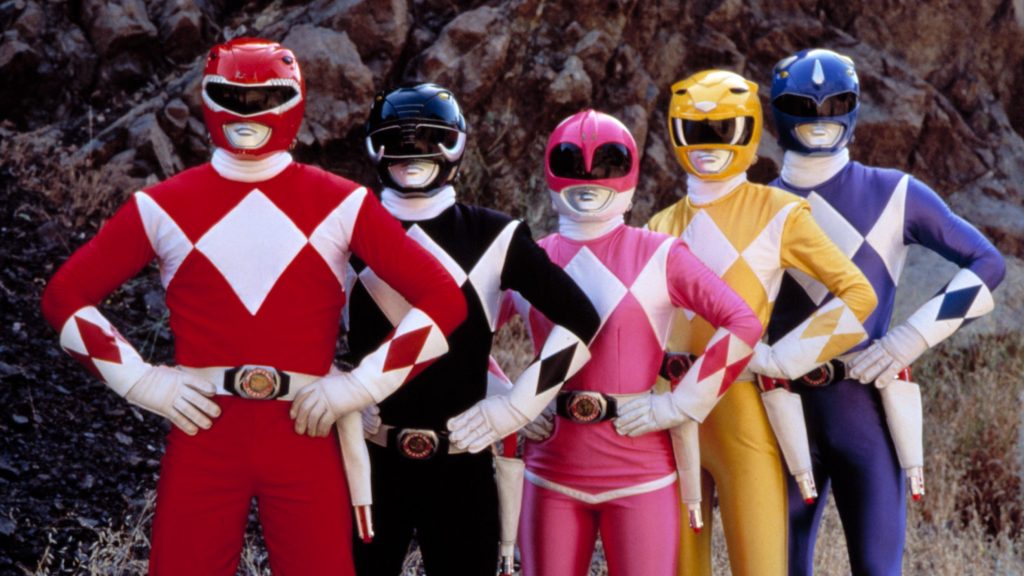
A former cast member of the original Mighty Morphin Power Rangers has revealed the extreme physical and emotional challenges actors endured during the show’s early production. In a candid interview, the actor described suffering a severe heat stroke while filming in cumbersome costumes and exposed the grueling working conditions that were often overshadowed by the show’s success. These revelations highlight the hidden sacrifices made by performers in physically demanding roles.
The Harsh Reality of Filming in Costume
According to the actor, who requested anonymity due to ongoing industry relationships, filming in the iconic Power Rangers suits was far more dangerous than audiences realized. “The costumes weighed nearly 30 pounds and had almost no ventilation,” they explained. “We’d film fight scenes for hours under the California sun, with temperatures often exceeding 100°F.”
Research from the Occupational Safety and Health Administration (OSHA) shows that prolonged exposure to such conditions can lead to:
- Heat exhaustion within 30 minutes
- Core body temperatures rising to dangerous levels
- Increased risk of dehydration and muscle cramps
The actor recounted one particularly harrowing incident: “I collapsed mid-scene. My vision went black, and I woke up in an ambulance. The producers treated it like a minor setback—we were back filming the next day.”
Industry Experts Weigh In on Production Pressures
Dr. Alicia Monroe, a sports medicine specialist, analyzed the described conditions: “When you combine heavy protective gear, intense physical activity, and extreme heat, you’re creating a perfect storm for medical emergencies. These actors were essentially performing like athletes without proper safety protocols.”
Television historian Mark Henderson contextualized the situation: “In the early 90s, children’s television operated with smaller budgets and tighter schedules. While unacceptable by today’s standards, pushing performers to their limits was unfortunately common practice.”
Production records from the era show that:
- Episodes were typically shot in just 3-4 days
- Stunt performers worked 12-14 hour days regularly
- Costume redesigns for safety would have delayed production
The Human Cost of Creating Childhood Magic
The actor described an environment where complaints were discouraged: “There was always someone willing to take your place if you couldn’t handle it. We were young, eager to please, and afraid to speak up.” This sentiment echoes findings from a 2022 UCLA study on early-career performers, which found that 68% of actors in physical roles endured unsafe conditions due to fear of being replaced.
Former stunt coordinator Jason Cole, who worked on similar productions, offered perspective: “We did what we had to do to make the magic happen. Looking back, I wish we’d pushed harder for better conditions, but the attitude was always ‘the show must go on.'”
Changing Standards in the Entertainment Industry
In recent years, organizations like SAG-AFTRA have implemented stricter guidelines for physical performances. Current protocols mandate:
- Regular breaks in climate-controlled areas
- Maximum consecutive hours in heavy costumes
- Mandatory medical staff on set for stunt work
However, the Power Rangers alum notes that lasting physical effects remain: “I still get migraines when I’m in the heat too long. That summer changed my body permanently.” Medical research confirms that severe heat stroke can lead to lifelong temperature regulation issues in 15-20% of cases.
Moving Forward: Awareness and Accountability
The entertainment industry has made progress, but advocates argue more transparency is needed. The former cast member hopes sharing their story will help current performers: “Young actors should know their worth isn’t tied to enduring unsafe conditions. No role is worth your health.”
As audiences continue to demand behind-the-scenes authenticity, productions face increasing pressure to prioritize safety over schedules. For fans wanting to support positive change, consider researching a show’s working conditions before watching or supporting unions fighting for better standards.
This revelation serves as both a cautionary tale and a call to action—reminding us that the heroes we admired on screen were human beings facing very real challenges behind the scenes. The next chapter in entertainment must value the well-being of creators as much as the content they create.
See more CNET Live