
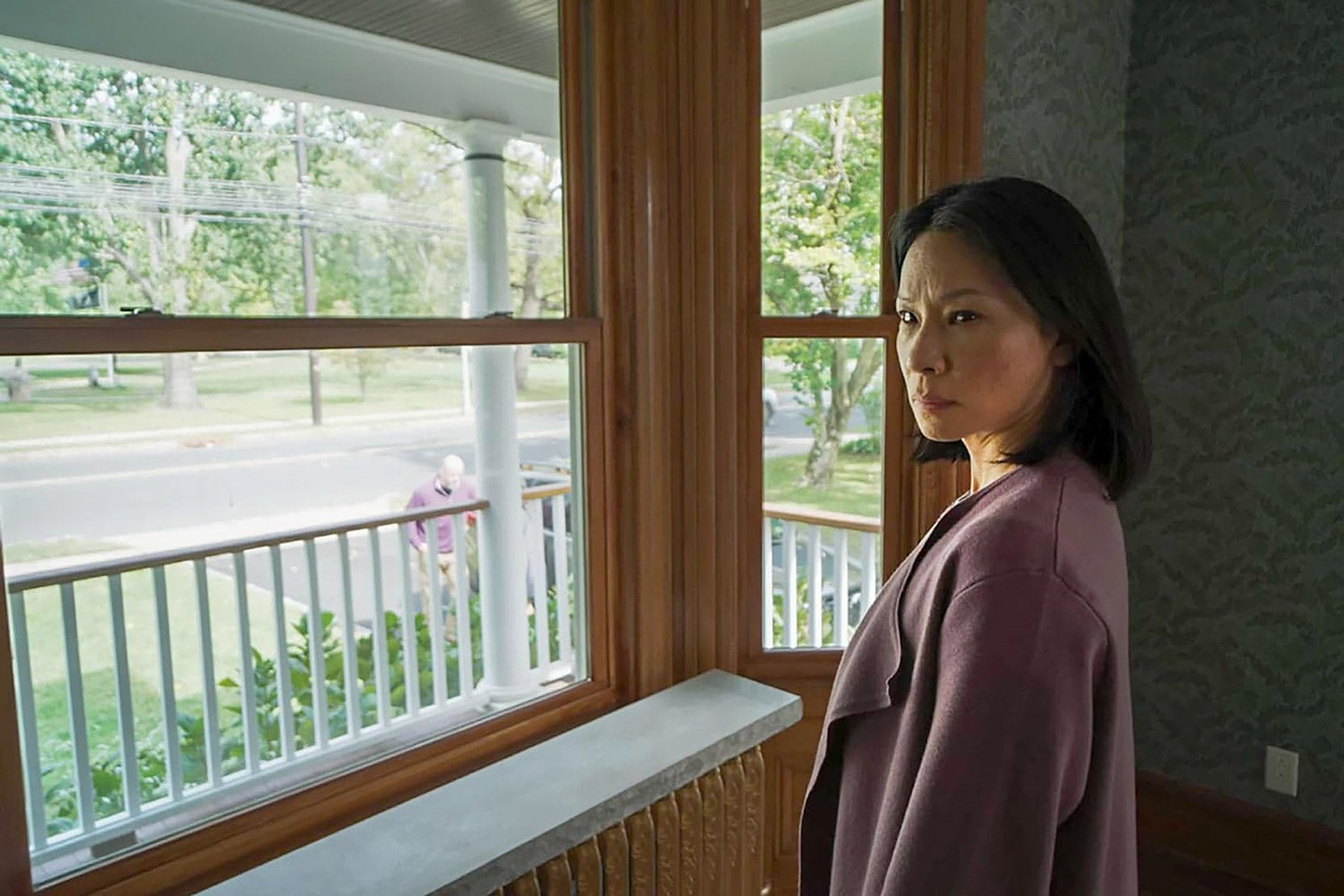
Unveiling the Unexpected: The Stunning Twist in Steven Soderbergh’s Latest Thriller
In the realm of cinema, few directors possess the unique ability to blend suspense and reality like Steven Soderbergh. His latest film, “Presence,” released in 2025, not only captivates audiences but also showcases a jaw-dropping twist that redefines the boundaries of cinematic storytelling. This article delves deep into the intricacies of “Presence,” exploring its plot, themes, and the unexpected revelations that leave viewers questioning the very nature of reality.
The Plot: A Journey into the Unknown
“Presence” opens with a seemingly straightforward narrative centered around an investigative journalist, played masterfully by a seasoned actor. The journalist, tasked with uncovering the truth behind a series of mysterious disappearances in a small town, soon finds themselves entangled in a web of deceit and hidden agendas. As the story unfolds, Soderbergh skillfully weaves together elements of psychological thriller and drama, creating an atmosphere thick with tension.
The film’s pacing is deliberate, allowing audiences to immerse themselves in the protagonist’s journey. Viewers are introduced to a range of characters, each with their own secrets, motivations, and potential connections to the central mystery. This rich tapestry of personalities sets the stage for the stunning twist that awaits.
The Twist: A Game-Changer in Storytelling
Just when audiences think they have a grasp on the narrative, Soderbergh delivers a twist that leaves jaws on the floor. Without giving too much away, the revelation challenges not only the protagonist’s understanding of reality but also that of the audience. It forces viewers to rethink everything they have witnessed up to that point.
Many have compared this twist to the groundbreaking moments in films like “The Sixth Sense” and “Fight Club.” However, Soderbergh’s approach is uniquely his own, blending psychological depth with a critique of contemporary society. The twist is not merely a shock factor; it serves to deepen the film’s themes of identity, perception, and the nature of truth.
Exploring Themes of Reality and Identity
At its core, “Presence” raises profound questions about reality and identity. The twist invites viewers to consider the following:
- What is real? The film challenges the notion of objective reality, suggesting that individual perceptions can distort the truth.
- Who are we? As characters grapple with their own identities, the audience is prompted to reflect on their sense of self and the influences that shape it.
- How do we know what we know? The quest for truth becomes a central theme, questioning the reliability of our sources and the narratives presented to us.
Soderbergh’s use of visual storytelling enhances these themes. Cinematic techniques, such as unconventional camera angles and disorienting editing, mirror the protagonist’s unraveling grasp on reality. This stylistic choice not only amplifies the suspense but also immerses the audience in the character’s psychological turmoil.
Character Development: Layers of Complexity
One of the standout features of “Presence” is its character development. Each character is multi-dimensional, with backstories that add depth to their motivations. The protagonist’s journey is especially poignant, as they navigate personal demons alongside external conflicts. The interactions between characters are fraught with tension, revealing the complexities of human relationships in the face of crisis.
The supporting cast, including a brilliant performance by a well-known actress, adds another layer to the narrative. As the characters’ secrets unfold, the film explores themes of trust, betrayal, and redemption, leaving audiences invested in their fates.
A Cinematic Experience: Visual and Auditory Mastery
Visually, “Presence” is a feast for the eyes. Soderbergh’s directorial style is known for its meticulous attention to detail, and this film is no exception. The cinematography captures the haunting beauty of the town, juxtaposing serene landscapes with the underlying tension of the plot.
Moreover, the film’s score plays a crucial role in establishing atmosphere. Composed by a celebrated musician, the haunting melodies and unsettling sound design enhance the emotional weight of pivotal scenes, immersing viewers further into the narrative.
Critical Reception: A Triumph for Soderbergh
Upon its release, “Presence” garnered widespread acclaim from critics and audiences alike. Many praised Soderbergh for his daring storytelling and innovative approach to genre filmmaking. The film has sparked discussions about the future of thrillers, with critics noting its ability to transcend traditional narrative structures.
Some have hailed it as a return to form for Soderbergh, whose previous works have ranged from indie films to major blockbusters. “Presence” stands out as a testament to his narrative prowess, demonstrating that he remains at the forefront of cinematic innovation.
Conclusion: A New Standard for Thrillers
In a landscape saturated with formulaic plots and predictable endings, Steven Soderbergh’s “Presence” emerges as a breath of fresh air. Its stunning twist not only captivates but also challenges the audience to engage with the material on a deeper level. As viewers unravel the intricate plot, they are left questioning the nature of reality and suspense in modern thrillers.
The film sets a high standard for cinematic storytelling in 2025 and beyond, reaffirming Soderbergh’s position as a master of his craft. As audiences emerge from the theater, they are not merely entertained; they are provoked, inspired, and left pondering the complexities of human existence.
Ultimately, “Presence” is more than just a thriller. It is a reflection on the human condition, an exploration of our perceptions, and a reminder that in the quest for truth, things are rarely what they seem.
See more CNET Live