
Iconic Works Join Public Domain: A New Era for Creativity and Access
The literary and artistic landscape is undergoing a significant transformation as classic works like Popeye and Ernest Hemingway’s “A Farewell to Arms” enter the public domain. This milestone not only democratizes access to these beloved creations but also paves the way for fresh interpretations and innovations inspired by these iconic characters and narratives. The implications of this shift extend far beyond simple accessibility, fostering a new wave of creativity and cultural engagement.
The Significance of Public Domain
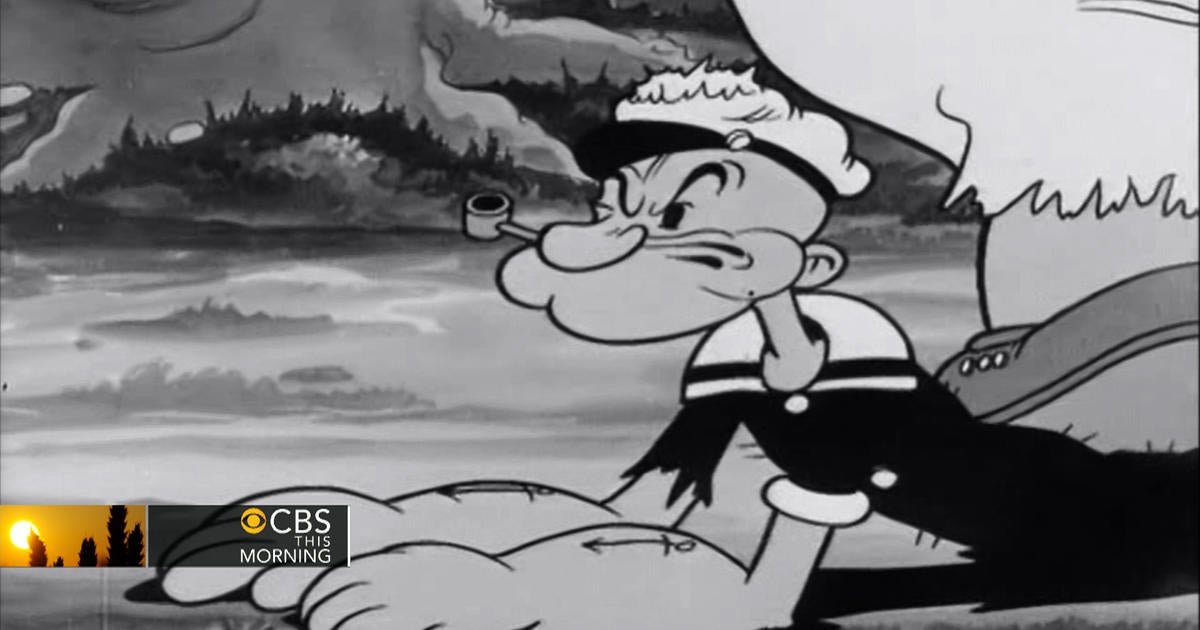
Public domain refers to creative works that are no longer protected by copyright law, allowing anyone to use, modify, and distribute them without seeking permission or paying royalties. This transition occurs after a specified period following the creator’s death or the work’s publication, depending on the jurisdiction. The inclusion of works such as Popeye, created by Elzie Crisler Segar, in the public domain means that both artists and writers can now freely draw inspiration from this iconic character without legal constraints.
Similarly, Hemingway’s “A Farewell to Arms,” published in 1929, is now available for reinterpretation. This novel, which explores themes of love, war, and loss, has long been a staple in American literature, and its entry into the public domain opens the door for new adaptations that could resonate with contemporary audiences.
New Opportunities for Creative Exploration
The arrival of these works in the public domain invites a range of opportunities for artists, writers, filmmakers, and content creators. Here are some potential avenues for exploration:
- Adaptations and Retellings: Authors can create modern retellings of “A Farewell to Arms,” reimagining the characters and setting to reflect contemporary social issues. Similarly, new comic strips or animated series featuring Popeye could emerge, infusing the classic character with fresh adventures.
- Cross-Genre Collaborations: The blending of genres can lead to innovative results. For example, a graphic novel adaptation of Hemingway’s work could attract younger readers, while a series of children’s books featuring Popeye could introduce the character to a new generation.
- Fan Creations: The public domain status allows fans to produce their own interpretations, whether through fan fiction, art, or even merchandise. This grassroots creativity can enrich the cultural tapestry surrounding these works.
The Cultural Impact of Rediscovery
As these works become accessible, there’s a chance for cultural rediscovery. Public domain works often see a resurgence in popularity as new audiences engage with them. For instance, adaptations can lead to renewed interest in the original texts, prompting readers to explore Hemingway’s broader oeuvre or the history of Popeye as a cultural icon.
Moreover, educational institutions can benefit significantly from this shift. Teachers can incorporate public domain works into their curricula without the burden of licensing fees, making quality literature more widely available in classrooms. This accessibility can inspire critical thinking and creativity among students.
Challenges and Considerations
While the public domain offers numerous benefits, it also presents challenges. One critical consideration is the potential for misinterpretation or exploitation of these works. As creators explore new adaptations, there is a responsibility to honor the original spirit of the texts and characters while innovating. The line between homage and appropriation can sometimes blur, leading to backlash from purists or original fans.
Additionally, as the digital age expands, the ease of accessing and altering these works raises questions about the integrity of the original narratives. The proliferation of content can lead to oversaturation, diluting the impact of the original works. Creators must find a balance between innovation and respect for the source material.
Historical Context and Future Implications
The expansion of public domain works is a significant event in the cultural lifecycle of literature and art. Historically, many of the most influential works have transitioned into the public domain, allowing for new interpretations and adaptations. Classic works by authors such as Jane Austen and Charles Dickens continue to inspire films, plays, and novels, showcasing how public domain status can breathe new life into timeless stories.
Looking ahead, the implications of this shift extend to the broader discourse on copyright reform. The lengthy duration of copyright protection has been a topic of debate among scholars, creators, and policymakers. Advocates for shorter copyright terms argue that more works should enter the public domain sooner, fostering a richer cultural landscape. The recent inclusion of works like Popeye and “A Farewell to Arms” could reignite these discussions, encouraging stakeholders to reconsider existing frameworks.
Conclusion: A Gateway to Innovation
The entry of iconic works like Popeye and Hemingway’s “A Farewell to Arms” into the public domain marks a pivotal moment for creators and audiences alike. It represents a gateway to innovation, allowing for reinterpretation and exploration while fostering a deeper connection to literary and artistic heritage. As new generations engage with these works, they not only keep the legacy alive but also contribute to a dynamic cultural dialogue that shapes the future of storytelling and art.
In this new era, the potential for creativity is boundless. It is a call to artists and writers to embrace the freedom that public domain offers, to honor the past while boldly innovating for the future. The landscape of literature and art is indeed set to expand, inviting everyone to partake in the rich tapestry of human creativity.
See more CNET Live