
Unearthing the Haunting Whispers of ‘Rabbit Trap’
In the realm of contemporary cinema, few films manage to intertwine the auditory experience with narrative depth as effectively as ‘Rabbit Trap.’ Directed by Bryn Chainey, this gripping ASMR folk horror film features a standout performance by Dev Patel, inviting viewers into a world where sound is not just an accompaniment but a central character in its own right. With its chilling atmosphere and careful attention to auditory details, ‘Rabbit Trap’ challenges our perceptions of fear and storytelling.
The Unique ASMR Experience in ‘Rabbit Trap’
ASMR, or Autonomous Sensory Meridian Response, is a phenomenon that has gained popularity in recent years, particularly through online platforms. It often involves soothing sounds that evoke a tingling sensation, typically experienced on the scalp, neck, or back. ‘Rabbit Trap’ harnesses this concept, using sound to create an immersive experience that enhances the film’s narrative. The film’s sound design plays a crucial role in establishing a sense of place and mood, inviting the audience to experience the tension and unease that permeates the story.
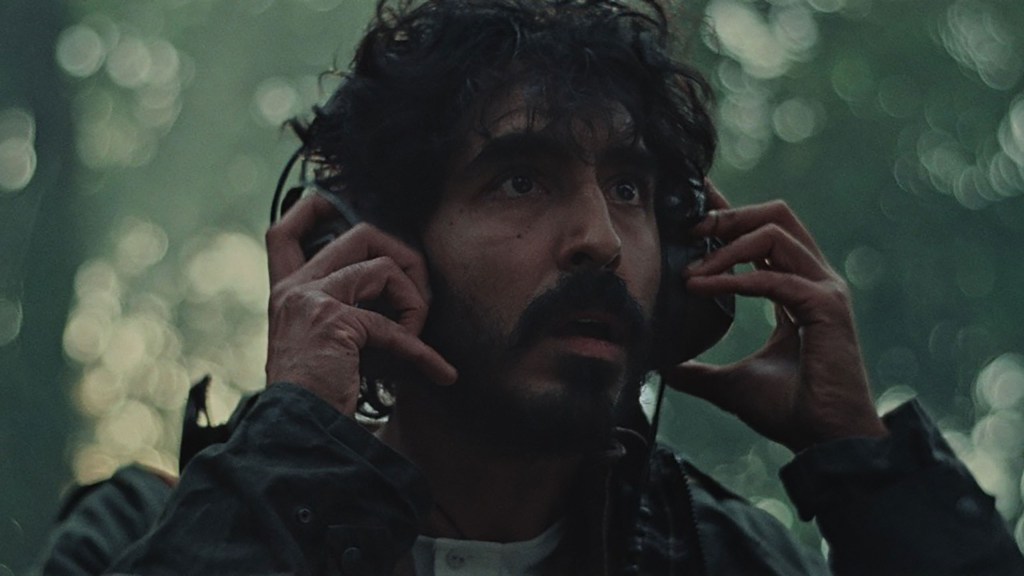
Dev Patel’s performance is pivotal in this unique auditory landscape. He embodies a character that navigates both the beauty and terror of his surroundings, making the audience acutely aware of the sounds around him. Whether it’s the rustling of leaves, the distant calls of wildlife, or the intimate whispers that resonate in the air, every sound is meticulously crafted to draw viewers deeper into the film’s haunting world.
The Intersection of Folk Horror and ASMR
The genre of folk horror has been a rich source of storytelling, often exploring themes of isolation, nature, and the uncanny. ‘Rabbit Trap’ effectively merges these elements with ASMR techniques, creating a chilling yet captivating atmosphere. Folk horror traditionally delves into the supernatural, employing rural settings and ancient myths to evoke fear. In ‘Rabbit Trap,’ the rural landscape serves as more than just a backdrop; it becomes a living entity that communicates through sound, echoing the emotional and psychological states of the characters.
This intersection of ASMR and folk horror is particularly compelling as it taps into primal fears related to the unknown. Sounds that might typically evoke comfort can, in the context of the film, transform into sources of dread. The way Chainey uses sound to manipulate the viewer’s emotions is a testament to his innovative approach to storytelling.
Dev Patel’s Chilling Performance
Dev Patel, widely recognized for his roles in films like ‘Slumdog Millionaire’ and ‘Lion,’ delivers a performance in ‘Rabbit Trap’ that is both nuanced and haunting. His character is deeply affected by the eerie environment around him, and Patel’s ability to convey vulnerability amidst growing dread is remarkable. He embodies a sense of isolation, making the audience feel the weight of his character’s experiences.
As the story unfolds, Patel’s interactions with the sounds around him serve as a metaphor for his internal struggles. The whispers, rustling, and echoes become an extension of his psyche, reflecting his fears and anxieties. This layered performance adds depth to the film, making it a memorable exploration of both character and environment.
The Role of Sound Design in ‘Rabbit Trap’
Sound design is arguably one of the most critical aspects of ‘Rabbit Trap.’ The film employs a variety of auditory techniques to immerse the audience fully. Here are some key elements:
- Layering of Sounds: The film utilizes multiple layers of sound, creating a rich tapestry that envelops the viewer. From the soft rustling of grass to the distant calls of animals, each sound contributes to the overall atmosphere.
- Silence as a Tool: Silence is just as powerful as sound in ‘Rabbit Trap.’ Moments of quiet can amplify tension, making the audience acutely aware of what lies beneath the surface.
- Spatial Awareness: The sound design creates a sense of space, helping the audience to visualize the setting even without visual cues. This technique enhances the immersive quality of the film.
Through these auditory techniques, ‘Rabbit Trap’ not only tells a story but also evokes emotions, making it a multi-sensory experience that lingers long after the credits roll.
Thematic Depth and Cultural Resonance
‘Rabbit Trap’ is not just a film about horror; it delves into themes of fear, isolation, and the relationship between humanity and nature. In many ways, it serves as a commentary on modern anxieties—how we navigate a world filled with both beauty and terror. The film encourages viewers to confront their fears, not just of the supernatural but of the unknown aspects of life itself.
Culturally, the film resonates with a growing interest in folk narratives and traditional storytelling methods. As audiences seek authenticity in their viewing experiences, ‘Rabbit Trap’ stands out by embracing its roots and drawing upon folklore and ASMR elements to create a story that feels both timeless and contemporary.
Conclusion: A Captivating Exploration of Fear and Sound
‘Rabbit Trap’ is a remarkable achievement in modern cinema, blending ASMR and folk horror into a chilling yet captivating narrative. Dev Patel’s performance, coupled with Bryn Chainey’s innovative sound design, invites viewers to explore the haunting whispers of fear and the beauty of storytelling. As the film unravels, it challenges us to reconsider our understanding of fear, sound, and the intricate web of emotions that bind us to our environment.
This film is not merely watched; it is experienced, resonating with audiences on multiple levels. In a world where the auditory experience is often overlooked, ‘Rabbit Trap’ serves as a poignant reminder of the power of sound in storytelling, leaving us with echoes of its haunting whispers long after we leave the theater.
See more CNET Live