
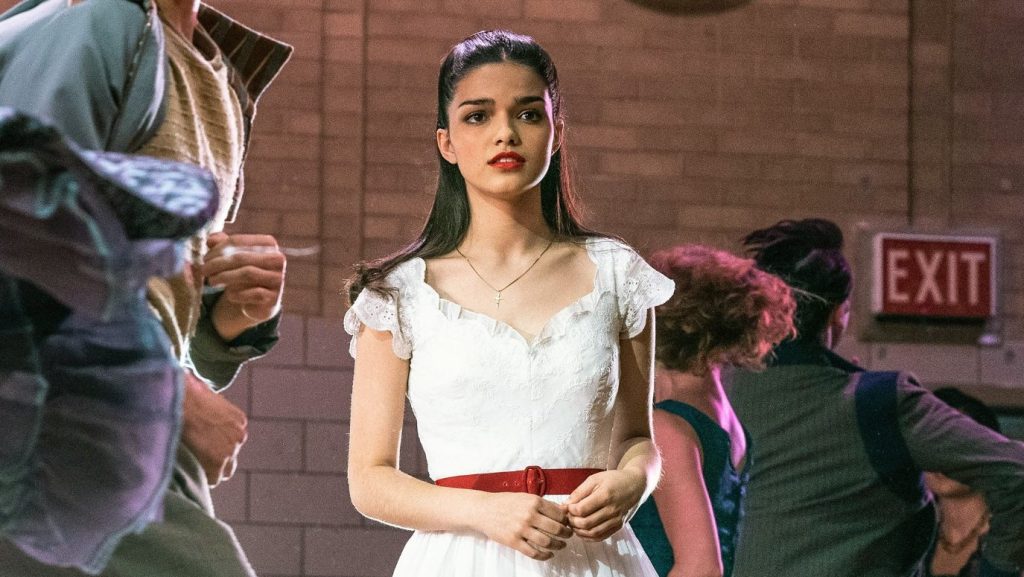
Rachel Zegler Reveals Pressure to Validate Her Latina Heritage in ‘West Side Story’
In a recent, thought-provoking interview, actress Rachel Zegler opened up about her experiences while filming the acclaimed remake of West Side Story. As the first Latina actress to portray Maria in a major film adaptation of the classic musical, Zegler faced significant pressure from studio executives to prove her Latina heritage. This revelation not only highlights her personal journey but also raises critical conversations about representation and authenticity in Hollywood.
The Journey to West Side Story
Rachel Zegler, born in New Jersey to Colombian parents, always dreamed of becoming an actress. Her journey took a pivotal turn when she was cast as Maria in Steven Spielberg’s adaptation of West Side Story. For Zegler, this role was not just a career milestone; it was a chance to connect with her roots and bring authenticity to a character that has been iconic in American musical theater.
However, as she began her preparations for the role, Zegler found herself facing an unexpected challenge: the pressure to validate her Latina identity. In the interview, she described how executives insisted on her demonstrating her cultural connection, which raised questions about how authenticity is judged in the entertainment industry.
Understanding the Pressure
The pressure that Zegler experienced is not unique to her. Many actors of color often feel the weight of representing their entire culture on screen. This situation can lead to an immense burden, as they may feel compelled to embody every aspect of their heritage to avoid scrutiny or skepticism. Zegler shared that this scrutiny made her question her identity and how she fit within the broader narrative of Latino representation in Hollywood.
- Identity Struggles: Zegler expressed feelings of inadequacy when asked to validate her heritage, highlighting the internal conflict many actors face.
- Industry Expectations: The demands from studio executives reflect a larger issue in Hollywood, where executives often focus on the commercial aspects of representation rather than the authentic storytelling.
- Cultural Authenticity: Zegler emphasized the importance of cultural authenticity, arguing that it should come from a place of genuine connection rather than performative validation.
The Impact of Representation
Representation in media is a powerful tool that shapes societal perceptions and cultural narratives. Zegler’s casting as Maria is a significant step toward diversifying the portrayals of Latino characters in mainstream media. However, her experience underscores the complexities involved in achieving authentic representation.
Hollywood has long faced criticism for its lack of diversity and the often stereotypical portrayal of Latino characters. Zegler’s story shines a light on the need for more nuanced and authentic representations that celebrate the richness of Latino culture without reducing it to a single narrative. As she pointed out, the expectation for her to prove her Latina identity reflects a broader systemic issue in the industry.
Cultural Nuances and Personal Identity
In her interview, Zegler discussed the complexities of cultural identity, especially for those who are first-generation Americans. She noted that her experience growing up in a Colombian household was filled with rich traditions and cultural practices, yet she also felt the influence of American culture. This duality can make it challenging to fit into predefined boxes of identity.
The conversation around cultural identity is vital, as it allows for a more expansive understanding of what it means to be Latino in America today. Zegler’s reflections serve as a reminder that identity is not monolithic; it is multifaceted and can vary greatly from one individual to another.
Empowerment Through Storytelling
Despite the pressures she faced, Zegler emerged from the experience empowered. She emphasized the importance of storytelling as a means of connecting with audiences. Through her portrayal of Maria, Zegler aims to inspire young Latinas to embrace their heritage and pursue their dreams, regardless of the obstacles they may face.
She believes that when stories are told authentically, they resonate more deeply with audiences, leading to greater empathy and understanding. By bringing her own experiences into her performance, Zegler hopes to contribute to a more authentic representation of Latina women in Hollywood.
Broader Conversations on Representation
Rachel Zegler’s candid revelations about the pressures to validate her Latina heritage in West Side Story touch on larger conversations about representation in the entertainment industry. The importance of having diverse voices in storytelling cannot be overstated. It not only enriches the narratives being told but also opens doors for future generations of actors and storytellers.
As Hollywood continues to grapple with its history of underrepresentation, Zegler’s experience serves as a call to action. The industry must move beyond tokenism and embrace authentic voices that reflect the true diversity of the world we live in.
- Encouraging Diversity: Producers and executives should actively seek out diverse storytellers and creators to ensure authentic representation.
- Empowering Voices: Platforms should be created that empower actors like Zegler to share their stories without the burden of validation.
- Redefining Success: Success in Hollywood should not be measured solely by box office numbers but also by the impact of the stories being told.
Conclusion
Rachel Zegler’s journey through the pressures of validating her Latina identity in West Side Story not only highlights her personal challenges but also reflects a broader, systemic issue within Hollywood regarding representation and authenticity. As audiences become more aware of these complexities, it is essential for the industry to evolve and embrace diverse narratives that reflect the rich tapestry of human experience.
As Zegler continues to break barriers in her career, her story serves as an inspiration for aspiring artists everywhere. It is a reminder that authenticity and representation matter, and that every voice has a place in the storytelling landscape. Through understanding and empathy, we can move toward a more inclusive future in entertainment, one where every identity is celebrated rather than validated.
See more CNET Live