
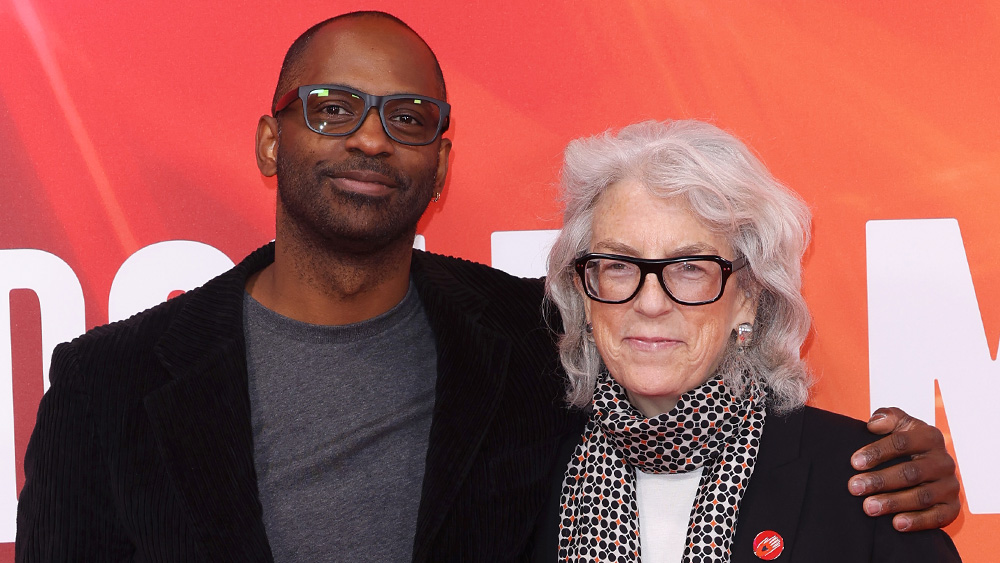
Celebrating Voices: RaMell Ross and Joslyn Barnes to Be Honored with WGA West’s Paul Selvin Award
Acclaimed screenwriters RaMell Ross and Joslyn Barnes are set to receive the prestigious Paul Selvin Award from the Writers Guild of America West (WGA West), recognizing their impactful storytelling in the film adaptation of Colson Whitehead’s novel, Nickel Boys. This honor not only celebrates their individual talents but also underscores the importance of diverse narratives within the film industry. Their work has resonated deeply with audiences and critics alike, contributing to a broader understanding of race, justice, and resilience in America.
The Significance of the Paul Selvin Award
The Paul Selvin Award, named after the renowned writer and advocate for civil rights, is bestowed upon screenwriters whose work embodies the spirit of freedom of expression and social justice. This accolade is particularly pertinent in today’s cultural climate, where storytelling serves as a powerful tool for advocating change and fostering understanding among diverse communities.
Ross and Barnes have both made significant contributions to this narrative landscape. Their work emphasizes the necessity of telling stories that reflect the complexities of the human experience, particularly those that have been historically marginalized or overlooked. By receiving this award, they join a distinguished group of writers who have used their platforms to voice important social issues.
RaMell Ross: A Visionary in Storytelling
RaMell Ross, known for his documentary Hale County This Morning, This Evening, has carved a niche for himself as a filmmaker who explores the intersections of race, identity, and the American experience. His unique approach to storytelling blends documentary techniques with narrative filmmaking, creating a distinct style that captivates audiences.
In adapting Nickel Boys, Ross has once again demonstrated his ability to tackle challenging subjects with grace and authenticity. The film tells the story of two boys who endure the horrors of a reform school in the Jim Crow South, shedding light on the systemic injustices that have plagued African American communities for generations. Through Ross’s lens, the narrative becomes not just a historical account but a poignant reminder of the ongoing struggles for justice and equality.
Joslyn Barnes: Champion of Diverse Narratives
Joslyn Barnes is a powerhouse in her own right, celebrated for her work as a producer and screenwriter. With a career spanning over two decades, she has been instrumental in bringing stories from underrepresented voices to the forefront of the film industry. Her collaboration with Ross on Nickel Boys is a testament to her commitment to diverse narratives, showcasing the importance of inclusive storytelling in contemporary cinema.
Barnes’s work often focuses on the experiences of marginalized communities, giving them a platform to share their stories. By co-writing Nickel Boys, she not only amplifies the voices of those affected by systemic racism but also challenges the industry to recognize the power of these narratives. Her dedication to highlighting social justice issues through film aligns perfectly with the values celebrated by the Paul Selvin Award.
The Impact of “Nickel Boys” on Contemporary Cinema
Nickel Boys has been lauded for its unflinching portrayal of the realities faced by African American youth in the 1960s. The film does not shy away from the brutality and injustice that permeated the reform school system, offering a raw look at the emotional and psychological toll it took on its young residents. This narrative approach invites audiences to confront uncomfortable truths about the past and present.
By bringing this story to life, Ross and Barnes have contributed to a growing body of work that seeks to dismantle the narratives of oppression and highlight the resilience of those who have suffered. The film serves as a reminder of the importance of remembering history, not just as a series of events, but as a collective experience that shapes our understanding of identity and community.
Reactions from the Industry and Beyond
The announcement of Ross and Barnes receiving the Paul Selvin Award has been met with widespread acclaim. Industry peers and audiences alike have expressed their admiration for their contributions to cinema and their commitment to storytelling that matters. Social media platforms have been abuzz with messages of support, showcasing the impact of their work on viewers around the world.
Many have praised the duo for their courage in tackling difficult subjects, with some stating that their storytelling has opened doors for future filmmakers to explore similar themes. The recognition from WGA West not only honors their achievements but also serves as an encouragement for others to follow in their footsteps.
Looking Ahead: The Future of Diverse Storytelling
The honor bestowed upon RaMell Ross and Joslyn Barnes is more than just a recognition of their past accomplishments; it is a beacon of hope for the future of diverse storytelling in film. As the industry continues to evolve, the demand for authentic voices that reflect the complexities of society grows stronger. The success of Nickel Boys and the recognition of its creators signal a shift towards embracing narratives that challenge the status quo.
With initiatives aimed at supporting underrepresented filmmakers and increasing the visibility of diverse stories, the landscape of cinema is changing. The work of Ross and Barnes stands as a powerful example of how storytelling can be used as a catalyst for social change, inspiring future generations to share their truths and experiences.
Conclusion: Honoring Contributions to Storytelling
As RaMell Ross and Joslyn Barnes prepare to receive the Paul Selvin Award, the film industry takes a moment to reflect on the importance of their contributions. Their collaboration on Nickel Boys not only highlights the need for diverse narratives but also reinforces the power of storytelling in shaping cultural discourse. This honor serves as a reminder that every voice matters and that the stories we tell can inspire change, foster understanding, and bring us closer together.
In celebrating their achievements, we also celebrate the spirit of storytelling itself—a timeless art that has the potential to bridge divides, challenge perceptions, and ultimately, illuminate the human experience.
See more CNET Live