
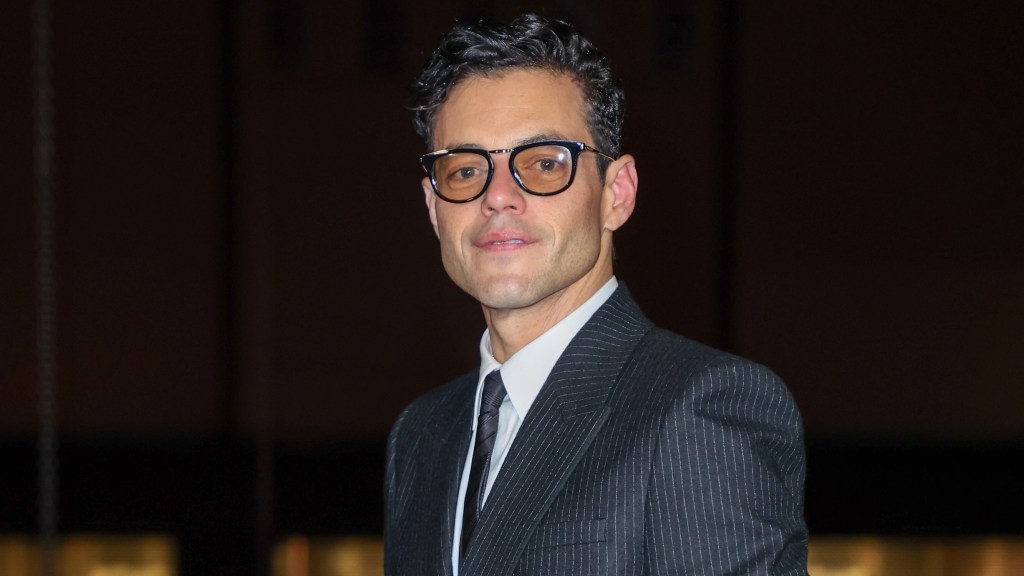
Rami Malek Reflects on a Troubling Encounter with LAPD
In a world increasingly aware of social justice issues, Rami Malek, the acclaimed actor known for his roles in “Mr. Robot” and “Bohemian Rhapsody,” has shared a deeply unsettling experience with the Los Angeles Police Department (LAPD). His personal account sheds light on the pervasive issue of racial profiling, inviting a broader discussion about systemic injustice that affects many individuals across various communities. This article delves into Malek’s experience, the implications of racial profiling, and the needed conversations that arise from such incidents.
A Personal Account of Racial Profiling
Rami Malek’s troubling encounter with LAPD occurred during a routine interaction that escalated due to assumptions based on his appearance. In recounting the incident, Malek expressed feelings of confusion and frustration. “I was just being me,” he stated, reflecting on how he had been approached by officers who seemed to suspect him of wrongdoing without any just cause. The actor’s experience is not unique; it highlights a pervasive issue that many individuals, especially those from minority backgrounds, face daily.
Malek’s account illustrates how racial profiling can manifest in various forms, often leading to unjust treatment and a sense of alienation. Unfortunately, this experience is a reflection of a more extensive societal problem, where individuals are judged based on their race or ethnicity rather than their actions.
The Broader Implications of Racial Profiling
Racial profiling is a troubling reality that extends beyond individual encounters. It is a symptom of systemic racism that can have far-reaching consequences. When individuals are subjected to profiling, it impacts not only their personal well-being but also their trust in law enforcement and societal institutions. Here are several key implications of racial profiling:
- Community Trust Erosion: Incidents of racial profiling can severely damage the relationship between communities and law enforcement. When officers are seen as adversaries rather than protectors, it creates an environment of fear and distrust.
- Psychological Impact: Experiencing racial profiling can lead to long-lasting psychological effects, including anxiety, depression, and a sense of helplessness. Victims may begin to feel unsafe in their own communities.
- Legal Consequences: Racial profiling can lead to wrongful arrests and convictions, perpetuating a cycle of injustice that disproportionately affects marginalized communities.
- Social Division: The normalization of racial profiling fosters divisions within society, further entrenching stereotypes and misconceptions about various communities.
Rami Malek’s Influence on the Conversation
Rami Malek’s decision to speak out about his encounter with the LAPD is significant. As a public figure, he wields considerable influence, and his story serves as a catalyst for discussion about racial profiling and systemic injustice. By sharing his experience, Malek encourages others to reflect on their own interactions with law enforcement and to consider the broader implications of such encounters.
His openness about the experience also emphasizes the importance of empathy and understanding in addressing these issues. It reminds society that behind the statistics and headlines are real people with real feelings and experiences that deserve to be acknowledged.
Addressing Systemic Injustice
To combat racial profiling and systemic injustice, a multi-faceted approach is necessary. Here are some critical strategies that can help address these issues:
- Education and Awareness: Raising awareness about racial profiling and its effects is crucial. Educational programs can help law enforcement understand the implications of their actions and foster more respectful interactions with the community.
- Policy Reform: Implementing policies that hold law enforcement accountable for racial profiling can help deter such behavior. This includes establishing clear guidelines and consequences for officers who engage in discriminatory practices.
- Community Engagement: Building strong relationships between law enforcement and communities can help bridge the gap of mistrust. Community forums and outreach programs can foster communication and understanding.
- Support for Victims: Providing resources and support for individuals who have experienced racial profiling is essential. This can include counseling services, legal assistance, and advocacy programs.
Conclusion: A Call for Change
Rami Malek’s reflection on his troubling encounter with the LAPD serves as a powerful reminder of the ongoing struggle against racial profiling and systemic injustice. His experience encapsulates a broader narrative that many individuals face, urging society to confront these issues head-on. As conversations surrounding racial profiling continue to evolve, it is crucial for individuals, communities, and institutions to work collaboratively towards meaningful change.
By fostering dialogue, implementing reform, and promoting empathy, society can begin to dismantle the structures that allow racial profiling to persist. Malek’s story is not just about one actor’s experience; it is a call for collective action towards a more just and equitable world.
In reflecting on these events, we must remember that each voice matters. By sharing our stories, advocating for change, and standing in solidarity with those affected by racial profiling, we can contribute to a future where justice is truly served for all, regardless of race or background.
See more CNET Live