
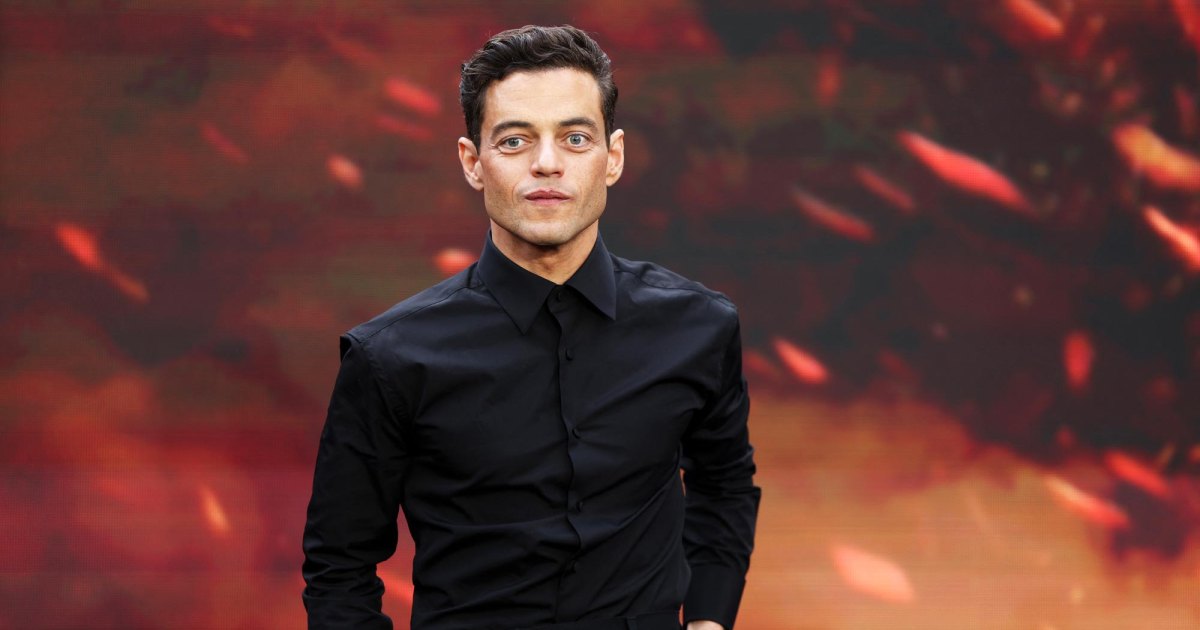
Rami Malek Unveils Personal Encounter with Racial Profiling in Los Angeles
In a world where the spotlight often shines brightly on the lives of celebrities, Rami Malek, the acclaimed actor known for his compelling performances, recently shared a deeply personal and troubling experience that has sparked significant conversation around the issues of racial profiling and systemic bias. His candid revelation about being racially profiled by the Los Angeles police not only sheds light on his own journey as a person of Middle Eastern descent but also opens a broader discussion about race and representation in Hollywood.
The Incident: A Personal Account
Rami Malek, best known for his role as Freddie Mercury in “Bohemian Rhapsody” and the lead in the critically acclaimed series “Mr. Robot,” took to social media to recount a disheartening encounter with law enforcement while navigating the streets of Los Angeles. In his post, he described the moment he was approached by police officers who, according to his account, seemed to assume the worst based solely on his appearance.
Malek recounted how he was simply going about his business when he was stopped, questioned, and treated with suspicion. This experience was jarring for him, especially in a city known for its diversity and creativity. He expressed feeling vulnerable and confused, grappling with the harsh reality that many marginalized individuals face daily.
The Broader Implications of Racial Profiling
Malek’s story highlights a pervasive issue that transcends individual experiences—racial profiling remains a critical concern in many urban areas, including Los Angeles. Racial profiling refers to the discriminatory practice where law enforcement targets individuals for suspicion of crime based on their race, ethnicity, or nationality rather than any specific evidence.
This phenomenon has broad implications, affecting community trust in law enforcement, mental health of those targeted, and overall societal cohesion. According to a report from the American Civil Liberties Union (ACLU), racial profiling is not just a matter of individual incidents; it reflects systemic biases ingrained within institutions that are supposed to protect and serve all citizens fairly.
Impact on Hollywood and Representation
Hollywood, the epicenter of entertainment, has long struggled with issues of representation and racial equality. Malek’s encounter shines a light on the challenges individuals from diverse backgrounds face, even when they achieve success in their careers. His experience raises crucial questions about how Hollywood portrays different races and the narratives that are often sidelined in mainstream media.
In a landscape where race and identity influence the types of roles available to actors, Rami Malek’s experience serves as a reminder that representation is not just about visible diversity on screen but also extends to how individuals are treated off-screen. The industry has begun to evolve in recent years, with more stories being told from varied perspectives, but incidents like Malek’s highlight that there is still much work to be done.
Voices Amplifying Change
Malek is not alone in his experience. Many artists and public figures have come forward to share their encounters with racial profiling, emphasizing that these issues are far too common. Celebrities like John Boyega and Janelle Monáe have also spoken out against systemic racism and injustices faced by people of color in both their personal lives and within the entertainment industry.
The amplification of these voices is crucial. It fosters a culture of awareness and empathy, encouraging conversations that can lead to systemic change. Organizations focused on racial justice are vital in advocating for policy changes and promoting community initiatives aimed at dismantling the structures that permit racial profiling to occur.
A Call for Allyship and Change
The gravity of Malek’s experience underscores the importance of allyship in the fight against racial injustice. Here are a few ways individuals can contribute to meaningful change:
- Educate Yourself: Understanding the historical context of racial profiling and systemic racism is crucial. Resources such as books, documentaries, and workshops can provide valuable insights.
- Support Marginalized Voices: Amplifying the stories and experiences of those from diverse backgrounds can help shift narratives and foster understanding.
- Engage in Conversations: Discussing these issues with friends, family, and colleagues can help raise awareness and challenge prevalent stereotypes.
- Advocate for Policy Change: Supporting initiatives aimed at police reform and racial equality can help create a more just society.
Conclusion: Moving Forward Together
Rami Malek’s personal encounter with racial profiling serves as a poignant reminder of the work that still lies ahead in the pursuit of equity and justice. His willingness to share his story encourages others to reflect on their experiences and challenges the status quo. As conversations around race and representation continue to evolve, it is imperative that society listens, learns, and takes action to address systemic biases that affect countless lives.
In the spirit of optimism, the dialogue initiated by Malek’s experience can pave the way for a more inclusive future, not only in Hollywood but in all aspects of society. By standing together, advocating for change, and amplifying marginalized voices, we can create a world where everyone is treated with dignity and respect, regardless of their race or background.
See more CNET Live