
Unmasking the Razzie Nominations: Can Hollywood’s Heavyweights Bounce Back?
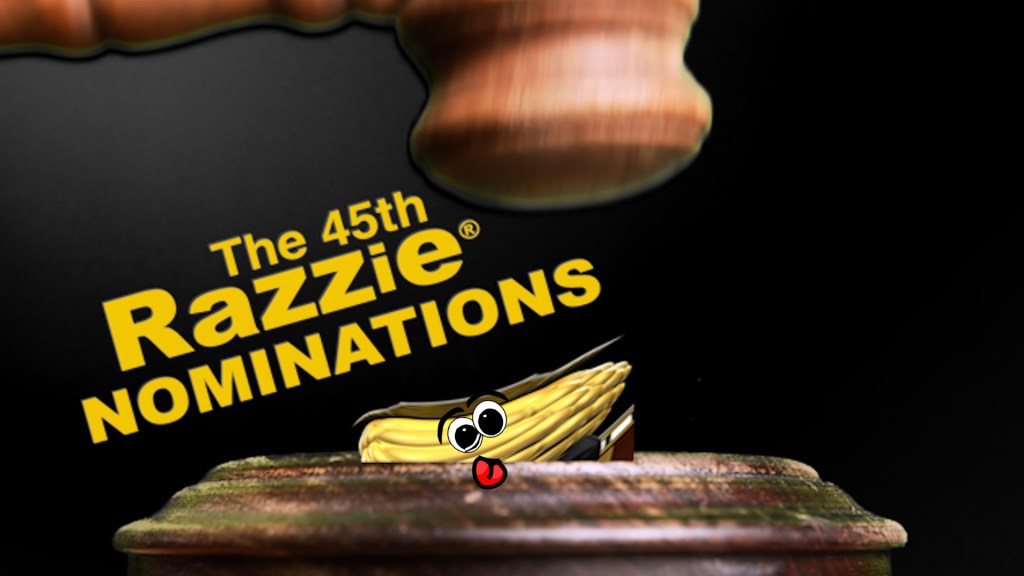
The annual Razzie nominations have become an anticipated event in Hollywood, showcasing films that are deemed the worst of the year. This year’s lineup is particularly striking, featuring major titles like the much-discussed Joker sequel, Megalopolis, and Madame Web. As these cinematic heavyweights face significant public and critical disappointment, a pressing question emerges: can they bounce back from this unflattering recognition? In a landscape where audience expectations and critical reviews hold immense sway, the implications of such nominations can be profound.
The Razzie Effect: A Double-Edged Sword
The Golden Raspberries, fondly known as the Razzies, serve as a tongue-in-cheek counterpoint to the prestigious awards season. While winning a Razzie is rarely a badge of honor, it can sometimes lead to unexpected outcomes. The nominations can spotlight films and performances that may otherwise fade into obscurity, sparking conversations and, in some cases, revitalizing interest in the projects.
Take, for instance, the infamous Battlefield Earth (2000) which, despite its Razzie sweep, has gained a cult following over the years. Such phenomena raise the question: can the films nominated this year leverage their Razzie notoriety to carve out a new identity?
Analyzing the Nominations
The latest Razzie nominations include films that were highly anticipated yet ended up disappointing audiences and critics alike. Let’s take a closer look at some of these nominees:
- Joker: Folie à Deux – Following the success of the first Joker, expectations for the sequel were sky-high. However, critics have pointed to a lack of coherence in the narrative and an overreliance on style over substance.
- Megalopolis – Francis Ford Coppola’s ambitious project has drawn criticism for its convoluted plot and uneven performances, leaving audiences perplexed about its thematic direction.
- Madame Web – This Spider-Man spinoff was anticipated to expand the Marvel universe but faltered due to a lack of engaging character development and a muddled storyline.
These films were not just box office disappointments; they were also met with harsh critiques that highlighted their shortcomings. This raises a crucial question: how can these cinematic giants recover from such setbacks?
Learning from the Past
Hollywood is no stranger to films that initially flopped but later found redemption. The industry is rife with examples where a poor reception was not the end of the road. In fact, many filmmakers have turned initial failures into stepping stones. Here are a few strategies that could pave the way for a comeback:
- Reevaluation and Restructuring: Filmmakers can take a step back and assess what went wrong. By understanding the audience’s perspective and revisiting the script or marketing strategies, they can create a more appealing product in the future.
- Fan Engagement: Utilizing social media platforms to engage directly with fans can help filmmakers gauge audience preferences and alter their narrative approach. This direct feedback loop can prevent similar pitfalls in upcoming projects.
- Creative Collaborations: Sometimes, a fresh set of eyes can make all the difference. Collaborating with new talent or experienced advisors can bring in innovative ideas that resonate more with audiences.
Shifting Audience Expectations
Another factor in the potential bounce-back of these films lies in the evolving expectations of audiences. The rise of streaming platforms and the changing dynamics of film consumption have altered what viewers seek in cinema. Audiences now crave authenticity, relatability, and innovation. Thus, understanding these trends is crucial for filmmakers aiming to reclaim their footing.
The success of films like Everything Everywhere All at Once exemplifies the demand for originality and emotional depth. Filmmakers of the Razzie nominees may need to recalibrate their creative compass to align with these contemporary audience desires.
Positive Spin-offs: The Silver Lining
Interestingly, there’s a silver lining to the Razzie nominations. They often serve as a catalyst for improvement. The awareness generated can prompt filmmakers to take a more scrutinizing look at their craft. This can lead to enhanced storytelling techniques, character arcs, and overall production quality in future projects.
Moreover, the negative spotlight can also lead to a thriving discussion around the films, creating a platform for critique and analysis that can ultimately benefit the filmmakers involved. In a way, the Razzies can act as a necessary wake-up call, pushing industry players to innovate and reinvent.
The Path Ahead: Will Hollywood’s Heavyweights Rise Again?
The question remains: can Hollywood’s heavyweights bounce back from the Razzie nominations? The answer lies in their willingness to adapt and evolve. History has shown that resilience in the face of criticism often leads to greater creativity and success. Moreover, with audience expectations continuously shifting, there’s always an opportunity for filmmakers to pivot and explore new narratives.
In conclusion, while the Razzie nominations may sting, they also provide a crucial opportunity for reflection and growth. For films like Joker: Folie à Deux, Megalopolis, and Madame Web, the next steps will be pivotal. By embracing the feedback, engaging with audiences, and nurturing creative collaborations, these cinematic heavyweights can not only bounce back but also redefine their places in the ever-evolving tapestry of Hollywood. The journey of redemption is often paved with challenges, but it is within these challenges that the seeds of future successes are sown.
See more CNET Live