
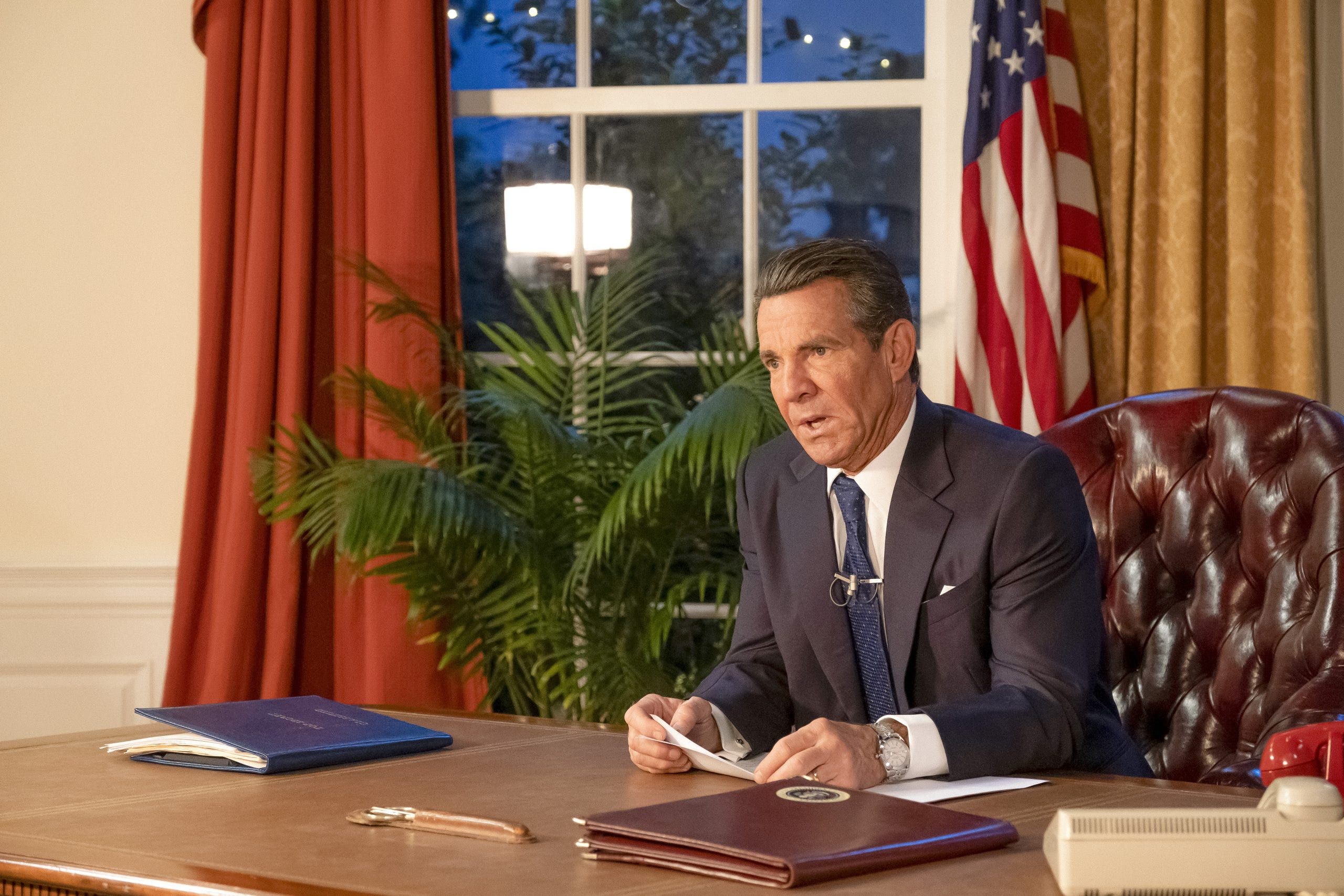
Understanding the Divergence: Critics vs. Audiences in the ‘Reagan’ Film
The release of the film ‘Reagan’ has sparked significant discussion within both the entertainment industry and the political realm. Based on the books by biographer and historian Paul Kengor, the film takes a nuanced look at the life and presidency of Ronald Reagan, a figure who remains polarizing in American history. Yet, as reviews flood in, a stark contrast emerges between how critics perceive the film versus its reception among audiences. This article delves into the reasons behind this divergence and its implications for the film’s legacy.
Critical Reception: A Mixed Bag
Critics have largely been divided in their evaluations of ‘Reagan.’ While some have praised it for its production quality and performances, particularly the portrayal of the former president, others have criticized it for perceived biases and a lack of depth in addressing Reagan’s policies and their consequences. Reviews on platforms such as Rotten Tomatoes and Metacritic reveal a notable split, with critics expressing skepticism about the film’s historical accuracy and its potential to educate audiences on Reagan’s complex legacy.
- Positive Aspects Highlighted by Critics:
- Strong performances, particularly by the lead actors.
- High production values and historical reenactments.
- Critiques Raised:
- Perceived glorification of Reagan without sufficient critique of his policies.
- Lack of diverse perspectives on the impact of Reagan’s presidency.
Audience Response: Embracing Nostalgia
In contrast to critics, audience reactions have been markedly more favorable. Many viewers express a sense of nostalgia, particularly those who lived through Reagan’s presidency and view him through a lens of admiration. Audience ratings on social media platforms and review aggregators have shown a higher approval rate, indicating a connection with the film’s portrayal of Reagan as a leader who inspired hope during turbulent times.
- Reasons for Audience Favorability:
- Emotional resonance for viewers who identify with Reagan’s vision.
- A desire for a narrative that aligns with their political beliefs.
Factors Influencing Divergence
Several factors contribute to the contrasting reactions between critics and audiences, including:
1. Political Bias and Identity
The political landscape in the United States has become increasingly polarized. Critics often approach films with an analytical lens, weighing artistic merit against socio-political implications. In contrast, audience members may prioritize emotional and nostalgic connections over critical analysis, leading to a more favorable view of the film.
2. Expectations and Experiences
Critics, many of whom are steeped in cinematic and historical analysis, come to the film with specific expectations regarding its narrative depth and accuracy. Conversely, audiences may be influenced by personal experiences and memories associated with the Reagan era, which can lead to a more forgiving reception of the film’s shortcomings.
3. Media Influence and Cultural Narratives
The media plays a significant role in shaping public perception. Pre-release marketing and promotional strategies can create narratives that resonate with targeted audiences. The promotional materials for ‘Reagan’ may have emphasized themes of hope and leadership, appealing to viewers’ emotions and aligning with their political ideologies.
The Impact on ‘Reagan’s’ Legacy
The divergence in reception between critics and audiences raises important questions about the film’s legacy. Will it be remembered as a thoughtful exploration of a complex figure in American history or as a simplified narrative that fails to grapple with the intricacies of Reagan’s presidency?
Furthermore, this disparity highlights the broader challenge faced by historical biopics: the balance between storytelling and factual representation. As filmmakers continue to explore the lives of influential figures, the audience’s desire for emotional connection must be weighed against the need for historical integrity.
Broader Implications for Filmmaking
This situation invites filmmakers to consider the implications of their narratives. Striking a balance between artistic expression and historical accuracy is crucial, especially when tackling figures who evoke strong opinions. The response to ‘Reagan’ serves as a reminder of the responsibility that filmmakers hold in shaping public understanding of historical events.
Audience Engagement Strategies
As filmmakers navigate these challenges, they may benefit from employing strategies that foster deeper audience engagement:
- Incorporating Diverse Perspectives: Films that include multiple viewpoints can resonate more broadly and encourage critical discourse.
- Educational Tie-Ins: Collaborating with historians or educational institutions can enhance the film’s credibility and promote informed discussions.
Conclusion: A Reflection on Legacy and Reception
The contrasting receptions of ‘Reagan’ by critics and audiences highlight a fundamental dynamic in the film industry: the interplay between narrative, nostalgia, and the scrutiny of historical figures. As the film navigates the complexities of Reagan’s legacy, it serves as a case study in how political identity, personal experience, and media influence shape public perception.
Ultimately, the conversation surrounding ‘Reagan’ reflects broader societal tensions and the ongoing struggle to reconcile differing narratives in American history. As audiences continue to engage with the film, it will undoubtedly contribute to the evolving discourse on the legacy of one of America’s most iconic presidents.
See more CNET Live