
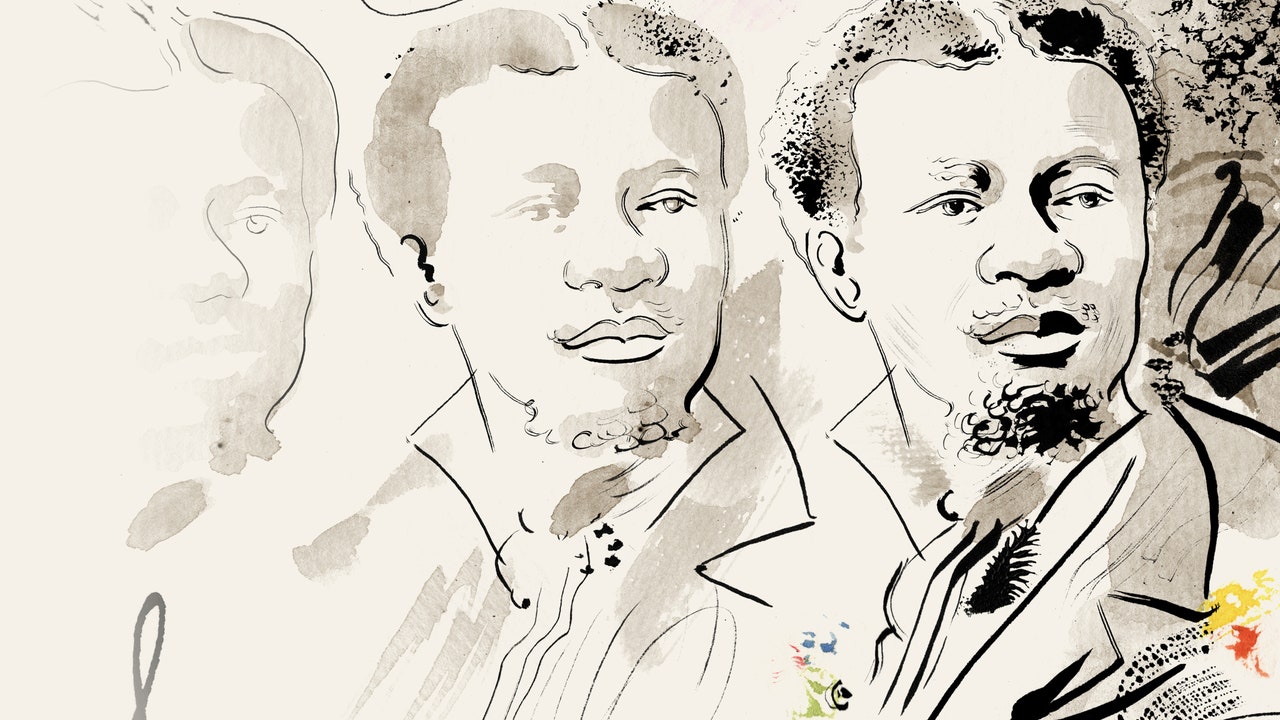
Rediscovering a Hidden Gem: The 1887 Opera by an Influential Black Composer
In an exciting turn of events, a long-lost opera from 1887, composed by a pioneering Black artist, has resurfaced. This remarkable discovery not only sheds light on a significant yet overlooked chapter in music history but also invites a reevaluation of the contributions of Black musicians in the classical genre. The rediscovery of this opera emphasizes the importance of recognizing diverse voices in the arts and highlights the profound impact that Black composers have had on the evolution of classical music.
The Composer Behind the Opera
The composer of this newly uncovered opera is none other than Samuel Coleridge-Taylor, a name that, while known to some, remains largely absent from mainstream classical narratives. Born in 1875 in London to a British mother and a Sierra Leonean father, Coleridge-Taylor faced the dual challenges of racial prejudice and the expectations of a society that often marginalized Black artists. Despite these obstacles, he rose to prominence, becoming one of the most celebrated composers of his time.
Coleridge-Taylor’s work was heavily influenced by African American spirituals and folk music. His most famous composition, the Hiawatha’s Wedding Feast, premiered in 1898 and showcased his unique ability to blend classical music with African American themes. This opera, however, remains a testament to his versatility and ambition as a composer. The rediscovery of this work provides an opportunity to delve deeper into his artistic journey and the socio-cultural context in which he created.
The Historical Context of the Opera
When examining the 1887 opera, it is crucial to understand the historical context surrounding its creation. The late 19th century was a period of dramatic change in the arts, marked by the rise of nationalism in music and the increasing popularity of opera as a theatrical form. Yet, it was also a time when racial barriers were deeply entrenched in society and the arts. For Black composers like Coleridge-Taylor, the challenge was not only to create music that resonated with audiences but also to navigate a landscape rife with racial discrimination.
Coleridge-Taylor’s opera reflects the complexities of a world where Black artists were often relegated to the margins. Yet, his work also serves as a powerful counter-narrative, demonstrating the richness and depth of Black contributions to classical music. The themes woven throughout the opera explore cultural identity, love, and resilience, echoing the struggles and triumphs of Black individuals and communities during that era.
The Rediscovery: A Journey to the Past
The path to rediscovering this opera began when musicologists and historians, intrigued by Coleridge-Taylor’s impact on music, embarked on a journey to unearth lesser-known works. Archives in both the United Kingdom and the United States were scoured, and long-forgotten manuscripts were meticulously examined. To the delight of many, a complete score of the opera was located in a small archive in rural England, hidden among other historical documents.
The score, once thought lost to time, is a beautifully composed piece that showcases Coleridge-Taylor’s masterful orchestration and lyrical prowess. It includes vivid characters, poignant arias, and intricate harmonies that capture the spirit of the time. The opera’s themes resonate today, reflecting ongoing conversations about race, identity, and belonging.
Significance of the Rediscovery
The rediscovery of this 1887 opera is significant for several reasons:
- Honoring Legacy: This opera honors Samuel Coleridge-Taylor’s legacy as a composer and as a pioneer for Black musicians in classical music.
- Educational Opportunities: It provides a unique opportunity for educational institutions to include diverse composers in their curricula, enriching students’ understanding of music history.
- Broadening Perspectives: By bringing this work to light, we can broaden our perspectives on the contributions of Black artists in classical music, encouraging a more inclusive narrative.
- Inspiring New Generations: Young Black musicians and composers can find inspiration in Coleridge-Taylor’s story, motivating them to explore their creative potential within classical music.
Future Performances and Celebrations
As news of the opera’s rediscovery spreads, plans for performances are already underway. Various orchestras and opera companies are expressing interest in staging the work, eager to share Coleridge-Taylor’s music with contemporary audiences. These performances will not only spotlight the opera but also serve as a platform to discuss the broader implications of race in classical music.
Additionally, music festivals dedicated to celebrating the works of Black composers are planning special events to commemorate this important rediscovery. These gatherings will feature discussions, performances, and workshops aimed at elevating the voices of Black musicians and fostering a greater appreciation for their contributions to the arts.
A Call to Action
The rediscovery of this 1887 opera by an influential Black composer is more than just a historical revelation; it is a call to action for musicians, educators, and audiences alike. It challenges us to reassess our understanding of classical music and to actively seek out and support diverse voices within the genre. As we celebrate Coleridge-Taylor’s legacy, let us also commit to nurturing the next generation of artists who will continue to break barriers and redefine what classical music can be.
Conclusion
The unearthing of a long-lost opera from 1887 is a momentous occasion that enriches our understanding of music history and honors the legacy of Samuel Coleridge-Taylor. This rediscovery serves as a reminder of the importance of diversity in the arts and the need to recognize and celebrate the contributions of Black composers. As we move forward, let us embrace this hidden gem and allow it to inspire us to create a more inclusive future in classical music.
See more CNET Live