
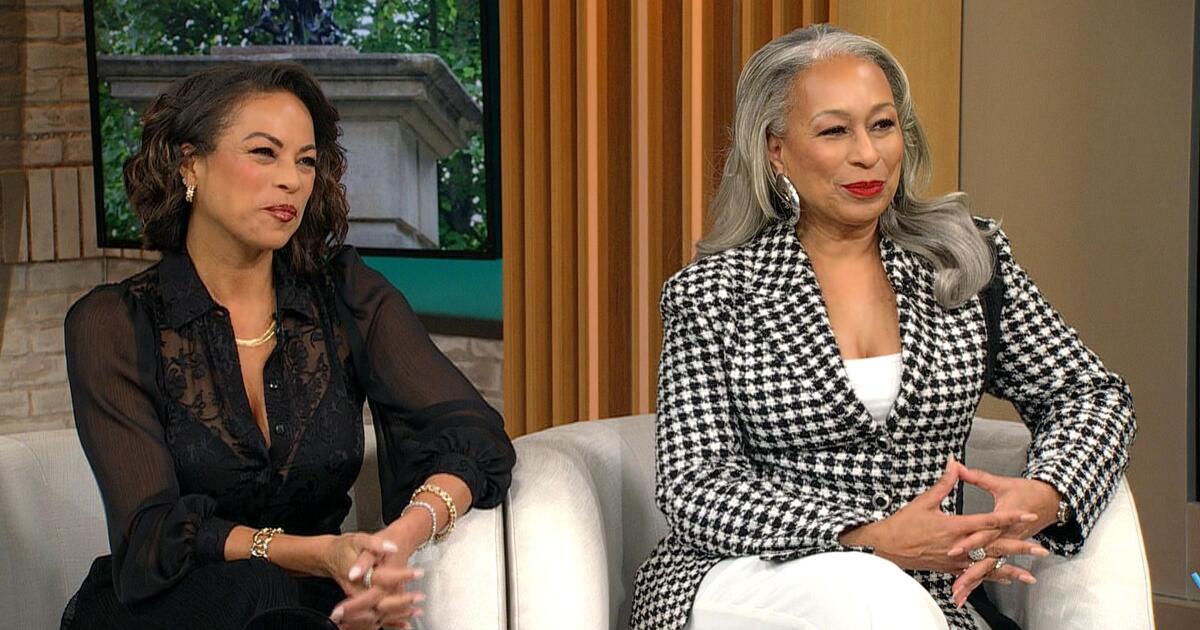
Breaking Barriers: Tamara Tunie and Daphnée Duplai Discuss Representation in “Beyond the Gates”
In the realm of television, representation holds a profound significance, particularly in shaping the narratives that resonate with audiences. This notion becomes even more poignant when discussing the groundbreaking daytime drama “Beyond the Gates.” In an exclusive interview, celebrated actresses Tamara Tunie and Daphnée Duplai delve into the significance of representation, exploring how their roles in this innovative series contribute to a broader cultural dialogue.
The Importance of Representation in Media
Representation in media is not just a buzzword; it’s a necessity. It influences how individuals perceive themselves and others in society. According to a report from the Geena Davis Institute on Gender in Media, diverse representation leads to healthier social attitudes and improved self-esteem among underrepresented groups. Tunie and Duplai both emphasize that authentic storytelling can break down stereotypes and offer a more inclusive perspective on the human experience.
Tunie’s illustrious career spans over three decades, with notable performances that have paved the way for future generations of actresses. She observes, “When I began my career, there were limited roles for women of color. Today, we’re starting to see more complex characters that reflect the world we live in. This shift is crucial for artists and audiences alike.”
Duplai echoes this sentiment, adding, “It’s vital that young people see themselves in media. Characters should reflect the richness of our diverse communities. It’s about telling stories that connect and resonate.” Their perspectives highlight how representation goes beyond mere visibility; it fosters connection and empathy among viewers.
“Beyond the Gates” and Its Impact
“Beyond the Gates” is a pioneering series that places representation at its core. The show follows a group of individuals navigating the complexities of life, love, and personal growth within a culturally rich backdrop. Tunie and Duplai portray characters that are not only relatable but also multifaceted, breaking free from one-dimensional stereotypes often seen in previous productions.
“In ‘Beyond the Gates,’ our characters face real-life challenges that many can relate to,” Tunie explains. “We’re not just representing our ethnic backgrounds; we’re portraying authentic human experiences that resonate with everyone.”
Duplai nods in agreement, stating, “It’s refreshing to see stories that are not just about race or ethnicity but about the essence of being human. The themes we explore—love, loss, ambition—are universal.” This focus on universal themes allows the show to reach a wider audience while still providing a space for diverse narratives.
Shaping Cultural Narratives Through Storytelling
The role of storytelling in shaping cultural narratives cannot be overstated. Tunie and Duplai emphasize that every story told has the power to influence perceptions and challenge societal norms. They believe that by sharing diverse experiences, “Beyond the Gates” contributes to a more nuanced understanding of different cultures.
- Nuanced Characters: The series creates complex characters that reflect the real world, moving beyond stereotypes.
- Authentic Narratives: Each storyline is rooted in genuine experiences, allowing for deeper connections with viewers.
- Empowerment: By showcasing diverse stories, the show empowers marginalized voices in the entertainment industry.
“Storytelling is a powerful tool,” Duplai asserts. “It can change minds and create bridges between communities. When we tell our stories, we invite others to understand our perspectives.”
The Role of Women in Breaking Barriers
Both actresses highlight the unique role of women in the industry, particularly women of color, in breaking down barriers. Tunie notes the progress made but also acknowledges the work that still needs to be done. “There are more opportunities than when I started, but we need to continue advocating for more diverse voices behind the camera as well as in front of it.”
Duplai adds, “The portrayal of women in media has evolved, but it’s essential to ensure that these representations are not just tokenistic. They should reflect the full spectrum of women’s experiences.” Their commitment to authentic representation is evident in their performances and advocacy.
Audience Reception and Cultural Impact
As audiences engage with “Beyond the Gates,” the show is garnering attention for its authentic portrayal of diverse characters. Early reviews highlight the emotional depth and relatability of the storylines, resonating with viewers from various backgrounds.
Tunie notes, “We’ve received messages from viewers who see themselves in our stories. That’s what it’s all about—creating a dialogue and fostering understanding.” This connection between the performers and their audience underscores the transformative power of representation in media.
The Future of Representation in Television
Looking ahead, both actresses are optimistic about the future of representation in television. They believe that as audiences become more vocal about their desires for diverse storytelling, the industry will respond accordingly. “We’re witnessing a shift,” Duplai states confidently. “The demand for authentic stories is growing, and that’s encouraging for future projects.”
Tunie adds, “The new generation of storytellers is embracing diversity. They understand that representation matters, not just for the sake of it, but because it enriches storytelling.” This hopeful outlook suggests a path forward where diverse narratives are not only welcomed but celebrated.
Conclusion: A Call to Action
Tamara Tunie and Daphnée Duplai’s insights into representation in “Beyond the Gates” highlight the critical role that diverse storytelling plays in shaping cultural narratives. As they continue to break barriers in the industry, their work serves as a reminder that representation is not just about visibility; it’s about authenticity, connection, and empowerment.
As audiences, we have the power to support shows that prioritize diverse narratives. By choosing to engage with content that reflects our shared humanity, we can all contribute to a more inclusive media landscape. Let us celebrate the breakthroughs made by artists like Tunie and Duplai and advocate for a future where every voice is heard and every story is told.
See more CNET Live