
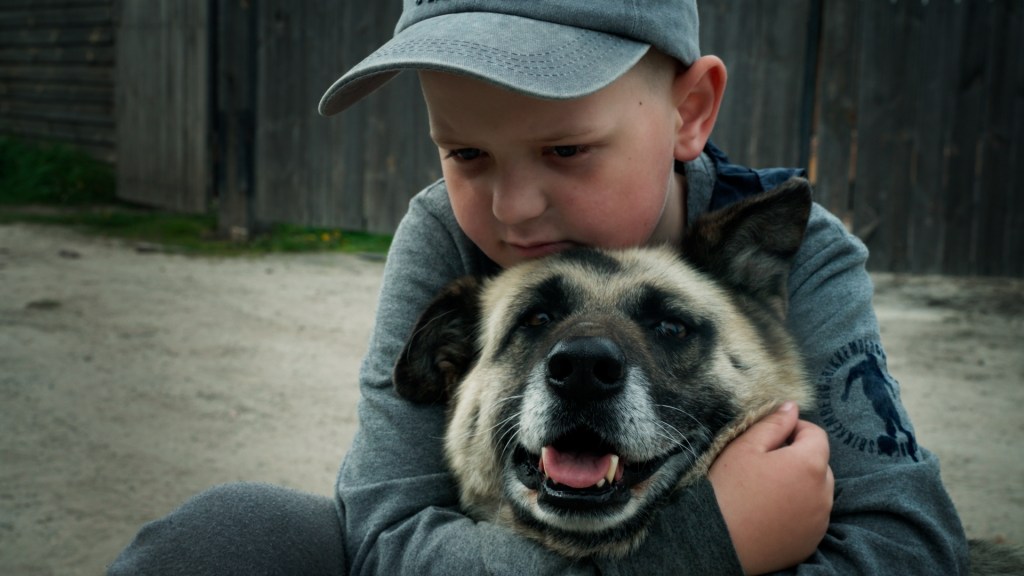
In the heart of Europe, Ukraine has been a battleground of conflict, with the scars of war deeply etched into its landscape and its people. For children, the impact of this turmoil is profound, reshaping their childhood and testing their resilience in unimaginable ways. The Oscar-shortlisted film, “Once Upon A Time In Ukraine,” artfully encapsulates these struggles and highlights the remarkable spirit of young Ukrainians as they navigate life amidst devastation. This article delves into the intricate tapestry of their lives, portraying their journey of hope and survival.
The Unseen Toll of War on Children
War is often described in terms of battles won or lost, geopolitical strategies, and economic consequences. However, the most vulnerable victims are the children, who bear the brunt of conflict in ways that are often unseen and unheard. In Ukraine, the ongoing war has disrupted the lives of millions, displacing families, destroying homes, and fracturing communities.
- Displacement: Many children have been forced to flee their homes, seeking refuge in unfamiliar places. This uprooting not only disrupts their education but also shatters their sense of security.
- Trauma: Exposure to violence and instability can lead to long-term psychological effects. Studies show that children in war zones are at a higher risk of developing anxiety, depression, and PTSD.
- Loss of Childhood: The innocence of childhood is often stolen by the harsh realities of war. Children are thrust into roles of caretakers or providers, shouldering responsibilities that no child should have to bear.
Finding Resilience: Stories of Hope
Amidst the ruins, stories of resilience emerge. Children in Ukraine are not just passive victims; they are active agents of change, displaying an incredible capacity to adapt and survive. Their stories, captured in “Once Upon A Time In Ukraine,” illustrate how hope can flourish even in the direst circumstances.
- Community Support: In the face of adversity, communities come together. Local organizations and international humanitarian groups have stepped in to provide resources, education, and emotional support to children. These initiatives help to restore a sense of normalcy.
- Education as Empowerment: Despite the disruptions, many children are finding ways to continue their education. Mobile classrooms, online learning, and makeshift schools have emerged, allowing children to keep learning and dreaming.
- Creative Expression: Art and storytelling have become vital tools for children to process their experiences. The film showcases how creativity can serve as a form of therapy, allowing children to express their trauma and hope through various mediums.
The Role of International Support
The plight of children in war-torn Ukraine has drawn global attention, resulting in a surge of international aid and support. Organizations such as UNICEF, Save the Children, and various NGOs have mobilized resources to address the urgent needs of these young lives.
- Psychosocial Support: Programs aimed at providing mental health support are crucial. These initiatives help children cope with their experiences, offering counseling and safe spaces to express their feelings.
- Basic Needs: Efforts to provide food, shelter, and medical care are ongoing. Ensuring that children have access to basic needs is fundamental to their survival and well-being.
- Advocacy: International advocacy plays a significant role in bringing attention to the challenges faced by children in conflict zones. Awareness campaigns help mobilize resources and support from around the world.
Personal Stories of Resilience
To truly understand the impact of war on children, we must listen to their stories. These narratives, often overlooked, reveal the depth of their resilience and the strength of their spirits.
Take the story of Oksana, a ten-year-old girl from Kharkiv. After her home was destroyed, she was relocated to a safer town. Initially, Oksana struggled with feelings of loss and fear. However, she soon found solace in drawing. “When I draw, I forget about the noise outside,” she says. Her artwork has become a powerful medium for healing, allowing her to express her emotions and connect with others.
Another poignant story is that of Maxim, a twelve-year-old boy who lost his father in the conflict. Instead of succumbing to despair, he has taken it upon himself to look after his younger siblings. His resilience is reflected in his determination to keep them safe and provide for them amidst uncertainty. “I want to make my dad proud,” he shares, embodying the strength and courage that many children in Ukraine demonstrate daily.
The Future: Hope and Healing
While the path ahead remains fraught with challenges, there is a glimmer of hope. The resilience of children in Ukraine is a testament to the human spirit’s ability to endure and thrive, even amidst ruin. Initiatives aimed at fostering education, mental health, and community rebuilding are vital in shaping a brighter future for these young souls.
As the world watches, it is imperative that we continue to support and advocate for the rights and needs of children in war-torn areas. Their voices must be heard, their stories told, and their resilience celebrated. The journey of healing is long, but with each step forward, hope emerges from the ashes of devastation.
Conclusion
In “Once Upon A Time In Ukraine,” the struggles and triumphs of children are poignantly portrayed, reminding us of the resilience that exists amidst ruin. By shining a light on their experiences, we not only honor their strength but also inspire action towards a future where children can live free from the shadows of war. It is our collective responsibility to ensure that these young hearts are nurtured, supported, and empowered, allowing them to reclaim their childhoods and build a peaceful tomorrow.
See more CNET Live