
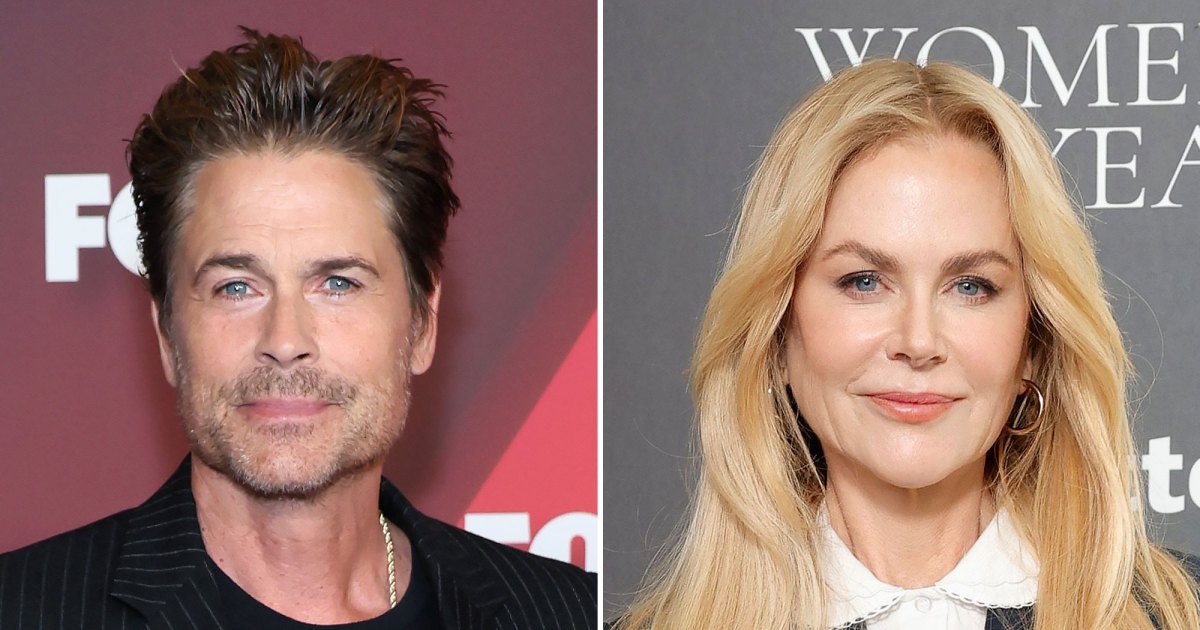
Rob Lowe Questions the Label of ‘Bravery’ in Nicole Kidman’s Intimate Scenes
Recently, actor Rob Lowe sparked an intriguing debate by questioning the label of “bravery” that has been associated with Nicole Kidman’s intimate scenes in her latest film. His comments have ignited a broader discussion about the expectations and perceptions surrounding vulnerability in Hollywood, particularly when it comes to actors engaging in intimate portrayals. This article explores Lowe’s comments, the societal implications of labeling performances as “brave,” and how this reflects the evolving landscape of the film industry.
The Context of Rob Lowe’s Comments
In the age of social media and instant reactions, comments by celebrities can quickly become a focal point for discussions about cultural norms and expectations. Rob Lowe, known for his candidness and critical perspective, expressed his concerns during a recent interview. He questioned why Kidman’s performance, which included several intimate scenes, was deemed “brave.” Lowe’s remarks invited viewers to reflect on what bravery truly means in the context of acting and whether it should be applied to those engaging in such roles.
The label of bravery, particularly in Hollywood, often seems to suggest that a performer must push boundaries or confront societal taboos. In Kidman’s case, her performances have been noted for their emotional depth and vulnerability, which some argue warrant this label. However, Lowe’s questioning opens the door to a more nuanced discussion about what constitutes “bravery” in the arts.
Understanding Bravery in Artistic Expression
Bravery in the realm of artistic expression can be a complex and multifaceted concept. In many cases, it involves:
- Vulnerability: Artists often expose their innermost feelings and experiences, which can be a daunting task.
- Risk-taking: Engaging in unconventional roles or challenging societal norms can be seen as an act of courage.
- Authenticity: Staying true to oneself and portraying genuine emotions can require significant bravery.
When we consider these aspects, Lowe’s comments can be interpreted as an invitation to rethink how we define bravery in the context of performance. Are we placing undue pressure on actors to be “brave” simply because they portray intimate scenes? Or are we, as an audience, projecting our own perceptions of vulnerability onto them?
Nicole Kidman’s Career and the Complexity of Intimacy
Nicole Kidman has long been recognized for her ability to tackle complex characters that often require a deep emotional investment. Her performances in films like Eyes Wide Shut and Big Little Lies have showcased her willingness to delve into the intricacies of human relationships, including their most intimate aspects. Yet, the question remains: should actors be celebrated for their willingness to bare themselves physically and emotionally on screen?
Kidman herself has previously discussed the challenges of portraying intimate scenes. She has highlighted the importance of trust between actors and directors, as well as the necessity of a safe environment on set. This brings us to a critical point in the discussion: the role of consent and comfort in artistic performance. Perhaps what needs to be acknowledged is not just the act itself, but the collaborative effort that makes such scenes possible.
The Impact of Labeling Performances as ‘Brave’
Labeling performances as “brave” can have both positive and negative implications:
- Positive Reinforcement: It can encourage performers to take risks and explore their craft without fear of judgment.
- Unrealistic Expectations: Conversely, it may set an unrealistic standard for what constitutes bravery, potentially putting pressure on actors to engage in more extreme portrayals.
- Overshadowing Talent: Focusing solely on the label of bravery can overshadow the skill and talent required to deliver a compelling performance.
The discussion surrounding Kidman’s intimate scenes and Lowe’s comments touches on a larger cultural conversation about the nature of vulnerability, consent, and artistic expression. As audiences, it’s essential to recognize the effort and skill involved in acting, rather than solely fixating on the physical aspects of a performance.
Shifting Perspectives in Hollywood
The dialogue prompted by Lowe’s remarks suggests a potential shift in how Hollywood views and discusses vulnerability. As the industry continues to evolve, there is an increasing recognition of the need for nuanced portrayals of intimacy that respect both the characters and the actors involved. This shift can lead to a more profound understanding of what it means to be vulnerable in front of a camera.
Moreover, the conversation resonates with broader societal shifts regarding gender dynamics, consent, and the representation of intimacy on screen. As audiences become more attuned to these issues, the expectations placed on actors may also transform.
Rob Lowe’s questioning of the label of “bravery” in Nicole Kidman’s intimate scenes has opened a crucial conversation about the nature of vulnerability in Hollywood. As we navigate these discussions, it’s vital to acknowledge the artistry involved in acting while also considering the implications of how we label such performances. Ultimately, understanding the complexities of bravery in artistic expression can lead to a richer appreciation of film and the incredible talent involved in bringing stories to life.
As viewers, we should strive to celebrate not just the brave moments that actors portray but also the myriad of emotions, skills, and collaborations that make those moments possible. By doing so, we can cultivate a more respectful and nuanced appreciation for the art of performance in all its forms.
See more CNET Live