
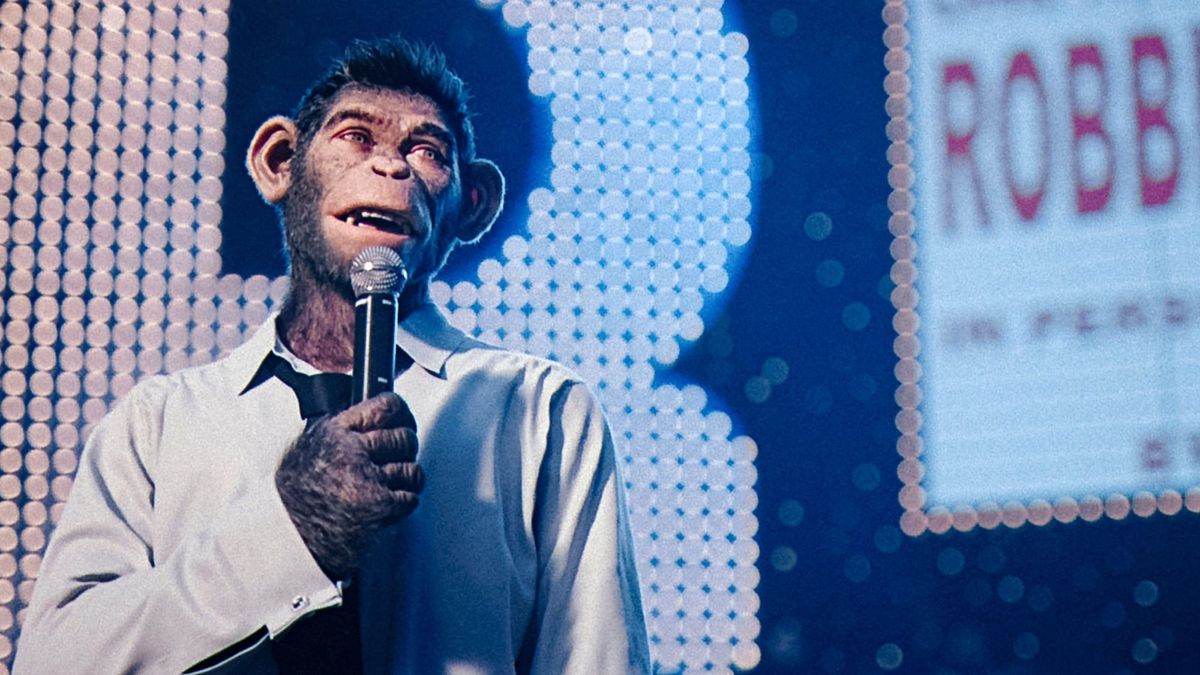
Unpacking the Layers of Robbie Williams’s Ambitious Monkey Biopic
Robbie Williams’s latest film project, a biopic centered around a dynamic monkey, has taken audiences by surprise and ignited conversations across various platforms. The film seeks to delve into the complexities of life through the eyes of its unusual protagonist, presenting a narrative that is both ambitious and multifaceted. However, the reception has been mixed, with critiques pointing to the film’s sometimes overwhelming narrative. In this article, we’ll explore the film’s creative vision, the challenges it faces in storytelling, and the broader implications of such a unique cinematic undertaking.
The Creative Vision Behind the Biopic
At the heart of Robbie Williams’s ambitious monkey biopic is a desire to tell a story that transcends typical biographical narratives. Williams, known for his flamboyant personality and eclectic artistic endeavors, has always pushed the envelope. This biopic attempts to blend humor, drama, and philosophical musings by using a monkey as the central character. This choice, while unconventional, allows for a fresh perspective on themes such as freedom, identity, and the human condition.
The film opens with a vibrant portrayal of the monkey’s early life, filled with adventure and mischief. Williams aims to capture the essence of childhood innocence, drawing parallels between the monkey’s experiences and those of human children. This approach not only engages younger audiences but also invites adults to reflect on their own formative years.
Challenges in Storytelling
One of the primary critiques of the film is its narrative structure. While the ambition behind the project is commendable, the execution can feel cluttered at times. The film oscillates between moments of light-hearted comedy and deep existential questions, which can leave viewers feeling disoriented. The challenge lies in finding a balance between these contrasting tones.
- Overlapping Themes: The narrative weaves in various themes such as friendship, loyalty, and the struggle for independence. While these themes are compelling, they often overlap in a way that muddles the storyline.
- Pacing Issues: Certain segments of the film feel rushed, while others drag on, making it difficult for the audience to remain engaged throughout.
- Character Development: Although the monkey is a charismatic character, supporting characters sometimes lack depth, which detracts from the overall impact of the narrative.
Despite these challenges, it’s essential to recognize the creativity involved in crafting a narrative around a monkey. Williams’s decision to focus on an animal character reflects a broader trend in cinema where anthropomorphism serves to highlight human traits and emotions in a relatable yet whimsical manner.
Finding Balance in Narrative
To address the challenges of storytelling, filmmakers often need to recalibrate their approach. For Robbie Williams’s biopic, finding the right balance is crucial for ensuring that the film resonates with its audience. Here are a few strategies that could enhance the narrative:
- Streamlined Story Arc: Focusing on a more linear storyline may help clarify the film’s message and allow audiences to connect more deeply with the character’s journey.
- Character Depth: Investing time in developing supporting characters can enrich the narrative, providing viewers with a more well-rounded experience.
- Consistent Tone: Striking a consistent tonal balance between humor and drama will make the film more cohesive and enjoyable.
Audience Reception and Mixed Reviews
As with any ambitious project, audience reception has varied. Some viewers are enchanted by the film’s whimsical nature and creative storytelling, praising Williams for his courage in tackling such an unconventional subject. Critics, however, argue that the ambitious scope leads to a disjointed experience that fails to deliver a strong emotional punch.
Despite the mixed reviews, the film has sparked important discussions around the use of non-human characters in storytelling. It raises questions about empathy, connection, and the ways in which we perceive life through different lenses. For instance, how does viewing the world through the eyes of a monkey change our understanding of our own experiences?
The Broader Implications of Animal-centric Narratives
Robbie Williams’s ambitious monkey biopic is part of a growing trend in cinema that embraces animal-centric narratives. Films like “The Secret Life of Pets” and “Zootopia” have shown that audiences are eager to explore stories from the perspectives of animals. This trend opens doors to various discussions, including:
- Environmental Awareness: Animal stories often highlight issues related to habitat destruction and animal rights, encouraging audiences to reflect on their own impact on the planet.
- Childhood Innocence: These narratives can evoke nostalgia and serve as a reminder of the simplicity and purity of childhood experiences.
- Empathy and Understanding: By humanizing animals, filmmakers can foster greater empathy, encouraging viewers to consider perspectives outside their own.
Conclusion: A Journey Worth Taking
Robbie Williams’s ambitious monkey biopic may present challenges in its narrative execution, but it also offers a unique lens through which to explore the complexities of life. By unpacking the layers of this film, we can appreciate the creative vision that drives it and engage in meaningful discussions about storytelling, empathy, and the human experience.
In the end, whether you find the film overwhelming or enchanting, it undoubtedly pushes the boundaries of traditional biopics and invites us to see the world from a different perspective. As we continue to navigate the ever-evolving landscape of cinema, let us celebrate the boldness of creators like Williams who dare to dream big and tell stories that challenge our perceptions.
See more CNET Live