
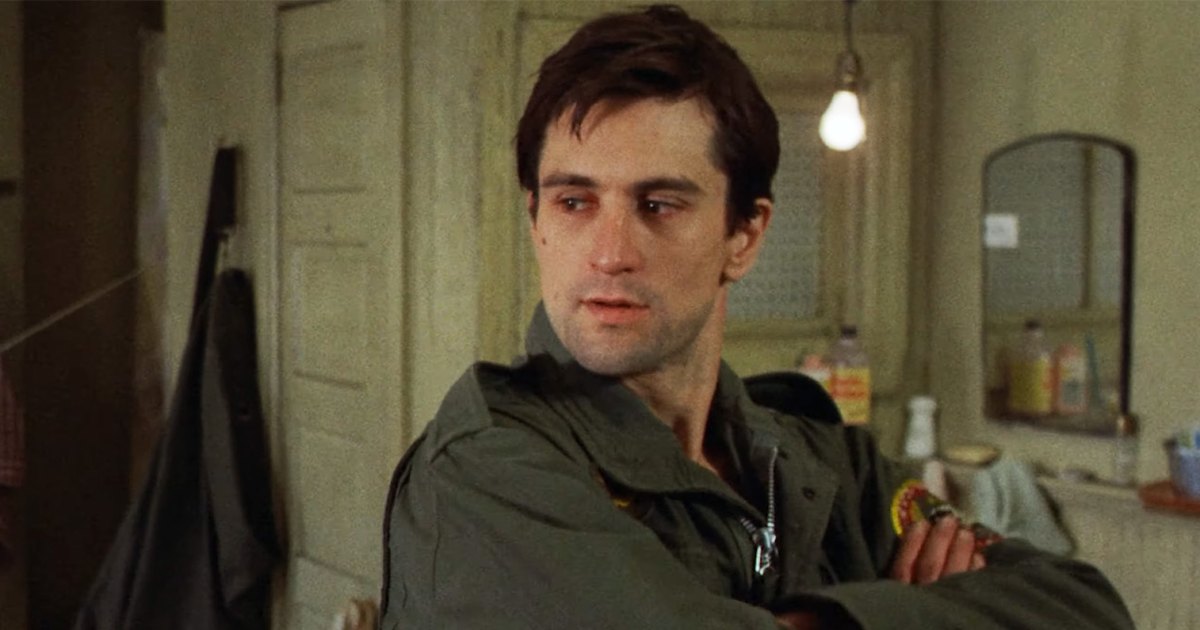
Unveiling the Secrets: Robert De Niro’s Iconic ‘Taxi Driver’ Scene Exposed
In the realm of cinema, few scenes are as recognizable and impactful as Robert De Niro’s monologue in Martin Scorsese’s Taxi Driver. This film, released in 1976, is not just a cinematic masterpiece; it’s a cultural touchstone that delves deep into themes of isolation, urban decay, and the quest for identity. The iconic scene, featuring De Niro as the conflicted and disturbed Travis Bickle, has captivated audiences for decades. But what lies behind this unforgettable moment? In this article, we unveil the secrets behind Robert De Niro’s performance and the creative process that brought this powerful scene to life.
The Birth of a Cinematic Legend
To fully appreciate the significance of the scene, one must understand the context in which it was created. Martin Scorsese, known for his gritty and realistic portrayals of American life, was at the helm of this project. The screenplay, written by Paul Schrader, was inspired by Schrader’s own experiences and reflections on loneliness and disillusionment. The character of Travis Bickle, played by De Niro, embodies these themes, serving as a lens through which the audience can explore the darker aspects of urban existence.
De Niro’s dedication to the role is legendary. He famously immersed himself in the life of a taxi driver, obtaining a cab license and spending hours driving around New York City to capture the essence of the character. This commitment laid the groundwork for the authenticity that permeates the film. De Niro has often spoken about how vital it was for him to understand the daily realities and struggles faced by those living on the fringes of society.
The Iconic Monologue
The scene that has become synonymous with De Niro’s career is the infamous “You talkin’ to me?” monologue. This moment occurs when Travis, standing in front of a mirror, confronts himself and, by extension, the world that surrounds him. It’s a raw, intense, and haunting moment that captures the character’s inner turmoil and escalating madness.
But what inspired this scene? De Niro has revealed that the monologue was not just a spur-of-the-moment creation but rather a culmination of careful thought and experimentation. During rehearsals, he played around with different improvisations, trying to find the right tone and delivery. This process allowed him to explore the psychological depths of Travis, ultimately leading to this powerful moment in front of the mirror.
Insights from Behind the Scenes
Many filmmakers and actors have shared their insights into the making of this iconic scene. Scorsese, in particular, had a profound influence on De Niro’s performance. He encouraged the actor to delve deeper into Travis’s psyche, pushing him to explore the character’s vulnerability and rage. The director’s vision of New York City as a place of chaos and despair added layers to the narrative, shaping the backdrop against which this monologue unfolded.
Moreover, the cinematography of Taxi Driver, helmed by Michael Chapman, played a crucial role in enhancing the emotional impact of the scene. The stark lighting and close-up shots of De Niro’s face during the monologue draw viewers into Travis’s world, allowing them to feel his desperation and confusion. The haunting score, composed by Bernard Herrmann, further amplifies the tension, creating a sense of impending doom that lingers throughout the film.
The Cultural Impact
Since its release, Taxi Driver has left an indelible mark on popular culture. The phrase “You talkin’ to me?” has transcended the film, becoming a part of the vernacular and often quoted in various contexts. It’s a testament to the power of De Niro’s performance and the film’s ability to resonate with audiences across generations.
- Symbol of Alienation: The scene reflects the feelings of alienation and disconnection that many individuals face in modern society. It resonates with anyone who has ever felt lost or unheard.
- Influence on Filmmaking: The innovative storytelling and character development in Taxi Driver have influenced countless filmmakers, inspiring them to explore complex characters and challenging themes.
- Psychological Exploration: The film has sparked discussions about mental health and the effects of urban life on individuals, showcasing the need for empathy and understanding in society.
Reflecting on De Niro’s Legacy
Robert De Niro’s portrayal of Travis Bickle is often regarded as one of the finest performances in film history. His ability to convey a wide range of emotions, from vulnerability to rage, showcases his immense talent and dedication as an actor. This role not only solidified his place in Hollywood but also paved the way for more complex and multifaceted characters in cinema.
As we reflect on the impact of this iconic scene, it’s essential to acknowledge the collaborative nature of filmmaking. The seamless integration of writing, direction, acting, and technical execution culminated in a moment that continues to haunt and inspire audiences. De Niro’s performance, in particular, serves as a reminder of the power of cinema to explore the human condition and provoke thought.
Conclusion: The Enduring Legacy of ‘Taxi Driver’
Robert De Niro’s iconic scene in Taxi Driver remains a powerful testament to the art of filmmaking. Through his dedication, creativity, and collaboration with Scorsese and the team, De Niro brought to life a character that reflects the struggles of many. The film continues to resonate with audiences, inviting them to explore themes of identity, isolation, and societal disconnection. As we unveil the secrets behind this monumental scene, we celebrate the artistry and impact of one of cinema’s greatest performances, ensuring that the legacy of Taxi Driver endures for generations to come.
See more CNET Live