
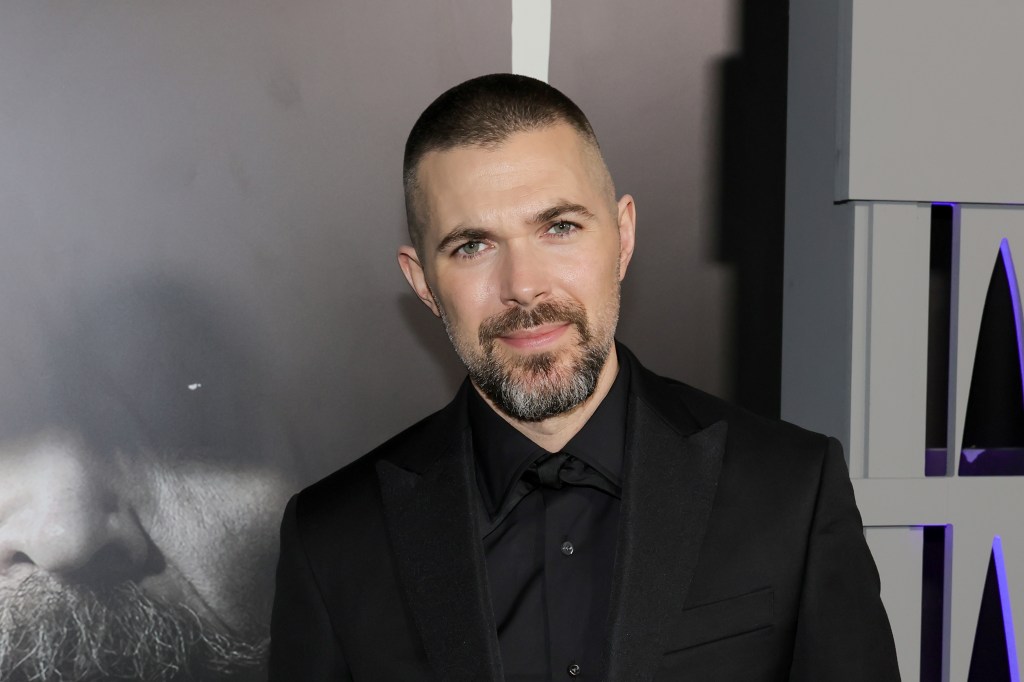
Robert Eggers Declines Modern Filmmaking: A Vision Beyond Cars and Cellphones
Acclaimed director Robert Eggers has made a name for himself with films like *The Witch* and *The Lighthouse*, both of which showcase his unique approach to storytelling. Recently, Eggers has expressed a strong disinterest in modern filmmaking that incorporates contemporary elements such as cars and cellphones. He describes these features as creatively stifling, preferring instead to delve into historical narratives that resonate with authenticity and depth. This article explores Eggers’ vision, his commitment to historical accuracy, and the implications for the future of storytelling in cinema.
The Artistic Philosophy of Robert Eggers
Robert Eggers’ films are characterized by their meticulous attention to detail and rich atmospheric storytelling. He immerses viewers in settings that feel palpably real, often drawing from historical texts and folklore. Eggers believes that modern technology can detract from the immersive experience of storytelling. In his view, the presence of cellphones and cars can disrupt the narrative flow and pull audiences out of the carefully constructed world he aims to create.
Eggers states, “When I see a modern car or a cellphone in a period piece, it feels like a slap in the face to the viewer’s suspension of disbelief.” His commitment to authenticity is evident in his work, where he often utilizes period-appropriate language, costumes, and settings. This dedication not only enhances the visual experience but also fosters a deeper connection between the audience and the characters.
Historical Authenticity in Film
Eggers’ approach raises fascinating questions about the role of historical authenticity in film. In an age where technology is omnipresent, filmmakers often incorporate modern elements to make stories feel relatable. However, Eggers challenges this notion, suggesting that true engagement comes from a genuine representation of the past.
- Immersion: By eliminating modern distractions, Eggers allows audiences to fully immerse themselves in the narrative.
- Character Depth: Historical settings provide a canvas for exploring complex human emotions and societal issues.
- Cultural Reflection: Authentic representations can spark discussions about history and its relevance in contemporary society.
In *The Lighthouse*, for instance, Eggers transports viewers to a remote 1890s lighthouse, where the tension between two keepers unfolds without the interference of modern technology. The isolation and psychological pressure faced by the characters are amplified by the absence of contemporary conveniences, allowing audiences to fully engage with their struggles.
Contemporary Filmmaking Trends
While Eggers opts for a historical lens, many modern filmmakers embrace contemporary settings, often integrating technology as a storytelling device. Films like *Her* and *Ex Machina* explore the implications of technology on human relationships, demonstrating that modern elements can serve as critical narrative tools. This contrast highlights a broader debate within the film industry about the role of technology in storytelling.
Some filmmakers argue that technology can enhance narratives by reflecting current societal issues. For example, the rise of social media and digital communication is often examined in films to comment on isolation and connectivity in the modern world. However, Eggers’ perspective reminds us that there is immense value in exploring themes from a historical standpoint, offering a different type of reflection on human nature and society.
Implications for Future Storytelling
Eggers’ disinterest in modern filmmaking invites a reconsideration of how stories are told in cinema. His commitment to historical authenticity poses significant questions about future trends:
- Revival of Period Pieces: As audiences yearn for authenticity, there may be a resurgence in period films that prioritize historical accuracy over modern elements.
- Exploration of Human Experience: Filmmakers might increasingly focus on universal themes that transcend time, allowing for deeper emotional connections.
- Balancing Tradition and Innovation: The challenge will be to find a balance between traditional storytelling methods and contemporary themes without compromising authenticity.
The Reception of Eggers’ Work
Critics and audiences alike have lauded Eggers for his distinctive vision. His films often garner critical acclaim for their artistry and innovation, even as they diverge from mainstream trends. The success of *The Witch* and *The Lighthouse* has inspired a new wave of filmmakers to explore the depths of historical narratives, challenging the status quo of contemporary cinema.
Eggers has become a beacon for those who believe in the power of storytelling grounded in authenticity. His films invite discussions not only about the past but also about how history shapes our understanding of the present and future. As Eggers continues to develop projects like *Nosferatu* and *The Northman*, it will be intriguing to see how he navigates the tension between historical accuracy and audience expectations.
Conclusion: A Vision for the Future
Robert Eggers’ decision to decline modern filmmaking elements like cars and cellphones reflects a broader artistic vision that champions historical authenticity. His work challenges filmmakers and audiences alike to reconsider the importance of context in storytelling. In an era where technology dominates our lives, Eggers reminds us of the power of immersive narratives rooted in the past. As we look to the future of cinema, Eggers’ commitment to authenticity presents a compelling argument for storytelling that transcends time, creating connections that resonate deeply with audiences.
In a world increasingly defined by the digital, Eggers’ films stand as a testament to the enduring power of history and the human experience, encouraging us all to look beyond the surface and explore the depth of our narratives.
See more CNET Live