
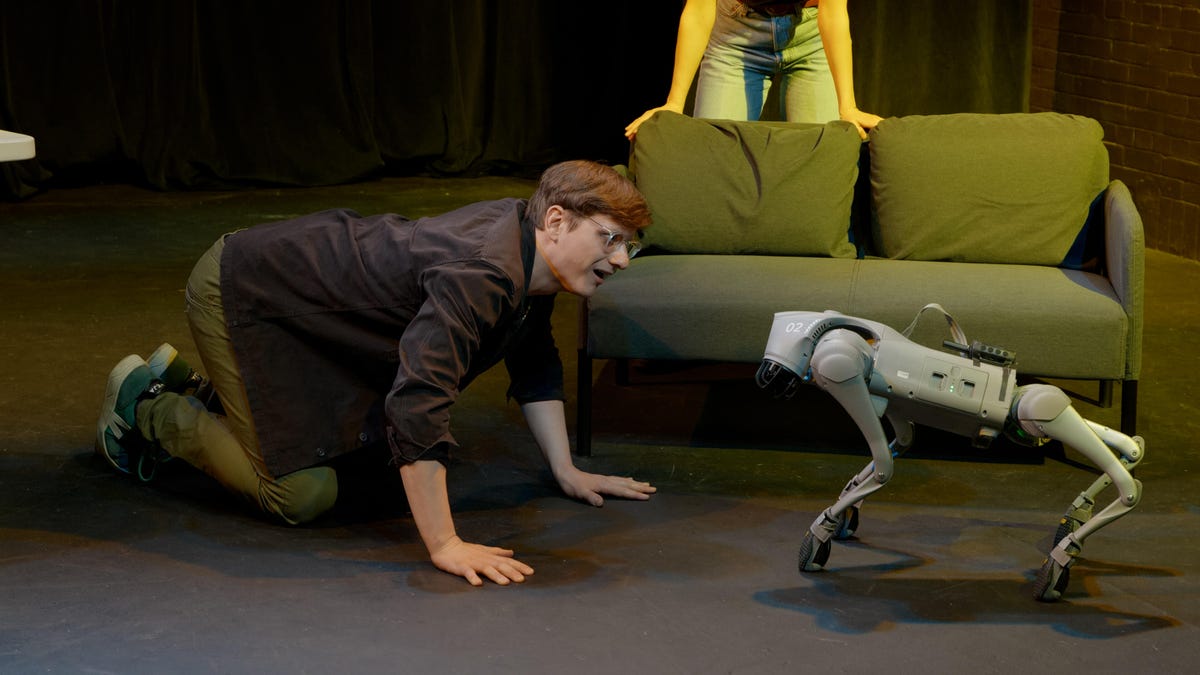
Unleashing Innovation: The Robot Dog Takes Center Stage in Off-Broadway Debut
In a groundbreaking fusion of technology and art, the world of theater is witnessing a revolution with the debut of a robot dog in an Off-Broadway production. This innovative performance challenges traditional boundaries of storytelling and invites audiences to explore the fascinating intersection of robotics and theatrical expression. As we delve into this unique phenomenon, we will uncover how technology is not only augmenting the arts but also reshaping our understanding of performance.
The Rise of Robotics in Performing Arts
Robotics has steadily made its way into various sectors, from manufacturing to healthcare, but its entry into the performing arts marks a significant cultural shift. The use of a robot dog in this Off-Broadway production is a prime example of how technology can enhance narrative depth and emotional engagement. This is not merely a gimmick; it is a profound exploration of what it means to be alive and interactive in storytelling.
By integrating a robot dog into the cast, the creators are tapping into themes of companionship, loyalty, and the rapidly evolving relationship between humans and machines. This juxtaposition raises poignant questions: Can a robot truly express emotions? How do we relate to entities that mimic life?
The Technology Behind the Performance
The robot dog featured in the production is equipped with advanced artificial intelligence, enabling it to interact with human actors and respond to the audience in real time. This level of interactivity is made possible through a combination of sensors, machine learning algorithms, and sophisticated programming. Some key features of the robot include:
- Real-time Interaction: The robot dog can recognize voices and gestures, allowing it to respond appropriately during the performance.
- Emotional Recognition: Equipped with facial recognition technology, the robot can gauge audience reactions and adjust its behavior accordingly, creating a more immersive experience.
- Movement and Agility: The robot’s design allows it to mimic canine movements, adding a layer of realism that captivates viewers.
This blend of cutting-edge technology and creative storytelling not only entertains but also provokes thought about the future of human-robot interactions.
Breaking Down Traditional Barriers
Traditionally, theater has relied heavily on human performers to convey emotions and narratives. The introduction of a robot dog challenges this notion, pushing the boundaries of what is acceptable in artistic expression. Here’s how:
- Redefining Roles: The robot does not merely serve as a prop; it takes on a character with its own storyline and emotional arc, thus redefining the actor’s role.
- Expanding Narratives: The presence of a robot allows for new narrative possibilities, exploring themes of technology, identity, and consciousness in ways that a human actor might not convey.
- A Broader Audience Appeal: The novelty of a robot dog in a theatrical setting can attract diverse audiences, including tech enthusiasts and younger generations who may not typically attend theater.
By breaking down these barriers, the production invites audiences to reconsider their preconceived notions of performance and the potential for technology to enrich artistic expression.
The Audience Experience
Attending a performance featuring a robot dog offers a unique experience. Audience members find themselves not just passive observers but active participants in a dialogue about the future of performance art. The robot’s ability to engage and react to the audience creates an atmosphere of unpredictability, making each show a unique event.
Feedback from initial audiences indicates a mixture of awe and curiosity. Many express feelings of nostalgia for their own pets, while others ponder the ethical implications of AI in our daily lives. This duality enriches the overall experience, allowing for deeper emotional connections.
Future Implications for Theater and Beyond
The implications of using a robot dog in Off-Broadway productions extend far beyond the stage. As technological advancements continue to evolve, we can expect a ripple effect across various artistic mediums, including film, dance, and visual arts. Some potential future developments include:
- Incorporation of Virtual Reality: Combining robot performances with virtual reality could create even more immersive experiences, allowing audiences to step into the story.
- Collaborative Works: Artists and engineers may collaborate more frequently to create multifaceted performances that blend traditional acting with robotics.
- Educational Opportunities: Schools and institutions might adopt similar technologies in educational settings, utilizing robot interactions to teach storytelling and creativity.
As we witness this integration of art and technology, the potential for innovative storytelling seems limitless.
Conclusion: A New Era of Theatrical Expression
The debut of a robot dog in Off-Broadway productions marks a pivotal moment in the evolution of theater. By unleashing innovation, this performance not only captivates audiences but also invites them to engage in an ongoing conversation about the role of technology in our lives. As we explore the intersection of robotics and theatrical expression, we find ourselves on the cusp of a new era where creativity knows no bounds.
In embracing these advancements, we are not merely spectators but participants in an unfolding narrative that questions our relationship with technology. The robot dog may be a symbol of our future, but it is also a reminder of our humanity—a reminder that even in an age of innovation, the essence of storytelling remains deeply rooted in connection and emotion.
See more CNET Live