
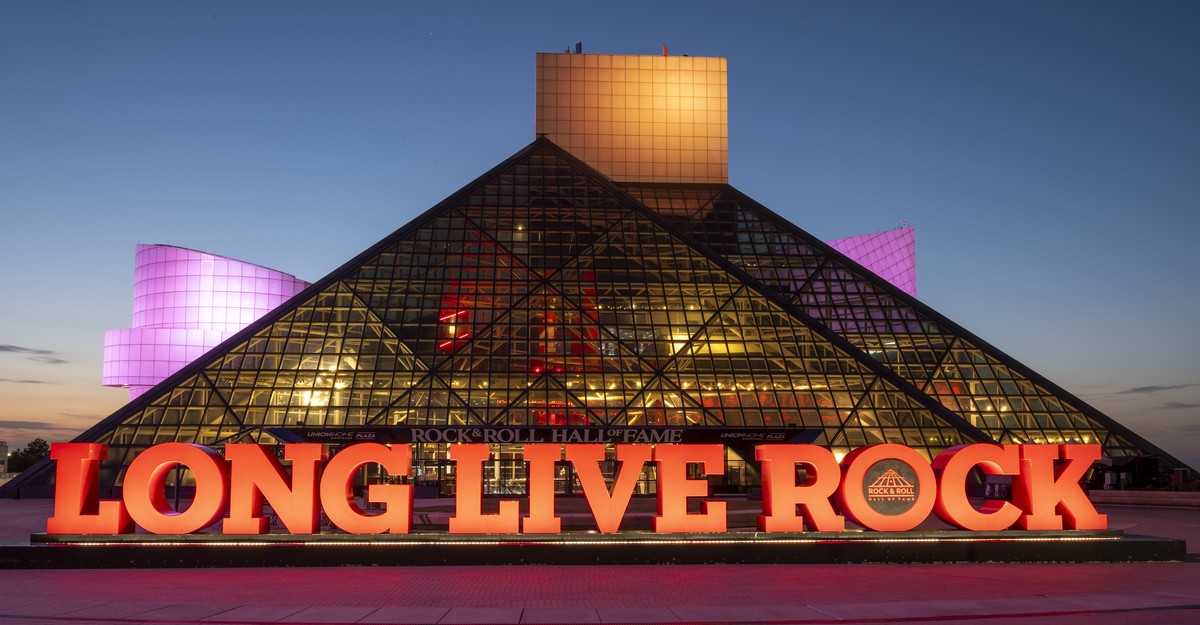
The Controversial Case Against the Rock & Roll Hall of Fame
As the Rock & Roll Hall of Fame prepares for its next induction ceremony, critics raise compelling arguments questioning its relevance and effectiveness in honoring music’s legacy. Is it time to rethink its existence? This question resonates with many music enthusiasts and artists alike, igniting a debate that has lingered for years. The hall, located in Cleveland, Ohio, aims to celebrate the influence of rock music, but its methods and choices have come under scrutiny. This article delves into the various criticisms, explores the hall’s impact on music culture, and considers whether reform is necessary.
The Origins of the Hall of Fame
Established in 1983, the Rock & Roll Hall of Fame was designed to honor the legacy of rock music and its artists. The mission was noble: to recognize those who shaped the genre and influenced generations. Inductees include iconic figures like Elvis Presley, The Beatles, and Aretha Franklin. Yet, despite its esteemed roster, the Hall faces ongoing criticism.
Critiques of the Selection Process
One of the primary controversies surrounding the Rock & Roll Hall of Fame is its induction process. Critics argue that the selection committee is often out of touch with contemporary music and tends to favor certain genres over others. This has led to a perceived bias against deserving artists.
- Gender Representation: Female artists have historically been underrepresented in the Hall. While progress has been made, the statistics remain troubling. As of 2023, only about 8% of inductees are women, raising questions about the Hall’s commitment to diversity.
- Genre Bias: Many argue that the Hall prioritizes traditional rock artists, overlooking influential musicians from genres like hip-hop, pop, and electronic music. This narrow focus diminishes the rich tapestry of musical history and innovation.
- Time Lag: Another frequent critique is the time it takes for artists to be inducted. Many influential musicians, who have passed away, have yet to receive the recognition they deserve, leading to frustration among fans and advocates.
Impact on Artists’ Legacies
For many artists, being inducted into the Rock & Roll Hall of Fame is a monumental achievement, a capstone that solidifies their legacy. However, the Hall’s decisions can also cast shadows over certain careers. For instance, numerous talented musicians remain unrecognized, leading to questions about their contributions to the music world.
Some artists have expressed their feelings about the Hall’s significance—or lack thereof. For example, the late David Bowie was famously indifferent to the Hall’s recognition, suggesting that the true measure of an artist’s worth lies in their work and impact rather than accolades. This sentiment resonates with many, sparking discussions about the Hall’s relevance in contemporary culture.
Public Perception and Cultural Relevance
Beyond the selection process, there’s a growing perception that the Rock & Roll Hall of Fame is losing its cultural relevance. As music evolves and genres blend, the definition of “rock and roll” becomes increasingly ambiguous. This shift raises essential questions about what the Hall represents.
- Shifting Genres: Modern artists often blend elements from various genres, making it difficult to categorize them strictly as “rock.” This evolution challenges the Hall’s traditional framework, suggesting a need for a broader perspective.
- Engagement with Younger Audiences: Many younger fans feel alienated from the Hall’s selections, which often spotlight artists from decades past. This disconnect could hinder the Hall’s mission to celebrate rock music’s evolution and its future.
Calls for Reform
Given these criticisms, there have been increasing calls for reform within the Rock & Roll Hall of Fame. Advocates suggest that a reevaluation of the induction process and criteria is essential for the institution’s survival and relevance.
- Diversity Initiatives: Implementing policies that ensure a more equitable representation of genders, ethnicities, and genres could reinvigorate the Hall’s image and mission.
- Modernizing the Selection Committee: Including younger voices and those from diverse musical backgrounds could help align the Hall with contemporary music trends.
- Engaging the Public: By allowing fans to have a say in the nomination process, the Hall could foster a sense of community and inclusivity, making the inductions feel more relevant and exciting.
The Future of the Rock & Roll Hall of Fame
As the Rock & Roll Hall of Fame approaches its next induction ceremony, the question of its relevance looms larger than ever. The criticisms it faces are not simply a reflection of its past decisions but also an opportunity for growth and evolution. By addressing its shortcomings and embracing a more inclusive approach, the Hall could better honor the rich tapestry of music that has shaped our culture.
Ultimately, the Rock & Roll Hall of Fame has the potential to be a vital institution that celebrates not just the legends of rock but also the myriad artists who have contributed to the music landscape. It stands at a crossroads, with the opportunity to redefine its mission and purpose in a way that resonates with both past and future generations.
In conclusion, as we reflect on the case against the Rock & Roll Hall of Fame, it is clear that while it has played an essential role in acknowledging musical greatness, there is significant room for improvement. The future of this iconic institution hinges on its ability to adapt and embrace the diversity of music that continues to evolve. Now is the time for dialogue, reform, and a renewed commitment to honoring the true spirit of rock and roll.
See more CNET Live