
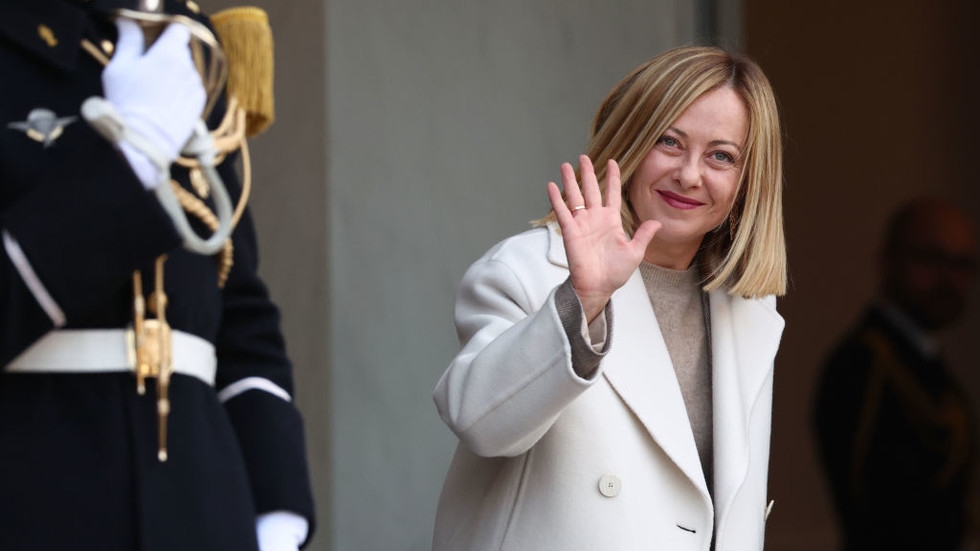
Controversy Unleashed: Rock Star’s Trial Over ‘Fascist’ Remark Towards Italian PM
The world of music often overlaps with politics, and when a prominent rock star publicly labels a political leader a ‘fascist,’ it’s bound to stir up a whirlwind of controversy. Recently, a well-known Italian rock star has found himself embroiled in a legal battle after making a provocative statement regarding the Italian Prime Minister, labeling him as a fascist. This incident has ignited a heated debate about free speech, artistic expression, and the responsibilities that come with public commentary.
The Incident That Sparked Outrage
The controversy began during a live concert where the rock star, known for his politically charged lyrics and performances, made a remark that instantly captured media attention. In front of thousands of fans, he referred to the Prime Minister as a ‘fascist,’ a term loaded with historical implications in Italy, given the country’s past under Mussolini’s regime.
This declaration was met with mixed reactions. Some fans erupted in applause, viewing the comment as a bold stance against perceived authoritarianism. Others, however, expressed outrage, claiming that such language was inflammatory and disrespectful towards the office of the Prime Minister. The statement quickly went viral on social media, prompting calls for accountability and even legal action against the artist.
The Legal Proceedings
The rock star’s trial commenced shortly after the incident, igniting a media frenzy. The prosecution argues that his statements were irresponsible and could incite public unrest. They contend that labeling a sitting Prime Minister as a fascist undermines the democratic process and can lead to dangerous ramifications. On the other hand, the defense team maintains that the rock star’s comments fall under the umbrella of artistic expression and free speech.
- Prosecution’s Arguments:
- Claims of incitement to violence.
- Potential harm to the political climate in Italy.
- Respect for democratic institutions.
- Defense’s Counterpoints:
- Artistic expression is protected under free speech.
- The importance of holding political figures accountable.
- Historical context of the term ‘fascist’ in political discourse.
Public Opinion: A Divided Nation
The trial has not only captivated the media but also polarized public opinion. Supporters of the rock star argue that the freedom to criticize political leaders is essential in a democratic society. They view the artist as a voice of dissent, someone willing to confront the status quo.
Conversely, those against the rock star’s remarks argue that such incendiary language can undermine the credibility of political discourse. They believe that while free speech is crucial, it should come with a sense of responsibility, especially when addressing sensitive political issues.
The Role of Artistic Freedom in Society
This case raises important questions about the extent of artistic freedom. Historically, artists have used their platforms to challenge authority and provoke thought. Music, in particular, has been a powerful medium for political expression, from the protest songs of the 1960s to contemporary artists addressing climate change and social justice.
However, the boundaries of artistic expression can be blurry. The rock star’s use of the term ‘fascist’ highlights the fine line between bold political commentary and potential defamation. In Italy, where the scars of fascism are still felt, such labels carry significant weight and can evoke strong emotional responses.
Comparative Cases: Artistic Expression and Legal Boundaries
This isn’t the first time an artist has faced legal repercussions for their statements. A notable example includes the case of a British musician who faced backlash after calling a politician a ‘war criminal’ during a live performance. Similar to the current situation in Italy, public opinion was sharply divided, with discussions about the limits of free speech dominating headlines.
In the United States, the First Amendment protects artistic expression robustly. Nevertheless, cases involving hate speech or threats can lead to legal consequences, demonstrating that even in free societies, the exercise of speech can come with risks.
What’s Next? The Potential Outcomes of the Trial
As the trial unfolds, several potential outcomes could emerge. If the rock star is acquitted, it may reinforce the notion that artists can freely express their political opinions without fear of legal repercussions. This could embolden other artists to speak out on political issues, fostering a culture of open dialogue.
Conversely, a conviction could set a precedent that curtails artistic expression in Italy, leading to self-censorship among artists who fear legal consequences for their remarks. Such an outcome could have chilling effects on the music industry, which thrives on the ability to challenge and provoke.
Conclusion: The Intersection of Art and Politics
The trial of the rock star who labeled the Italian Prime Minister a ‘fascist’ serves as a microcosm of the broader struggle between free speech and accountability. As the case continues to unfold, it highlights the vital role that artists play in society as both entertainers and commentators on political issues.
Ultimately, the resolution of this controversy may have lasting implications for the balance between artistic freedom and the responsibility that comes with public discourse. Whether one views the rock star as a hero of free speech or a reckless provocateur, this trial undoubtedly underscores the importance of discussing the intersections of art and politics in contemporary society.
See more CNET Live