
“`html
Behind Closed Doors: Insights from King Charles’ Meeting with Prince Andrew
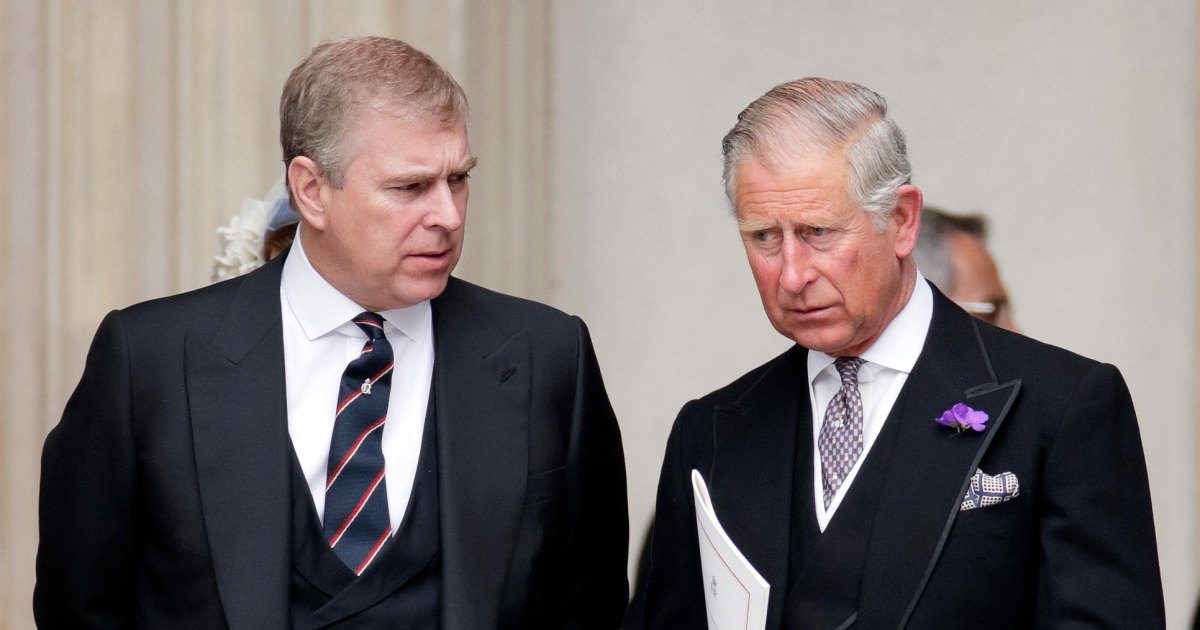
In a rare glimpse into royal family dynamics, Buckingham Palace has disclosed details of a private meeting between King Charles III and his younger brother, Prince Andrew, held last week at Windsor Castle. The discussion, described as “frank and necessary” by palace insiders, revealed simmering tensions alongside attempts at reconciliation, raising questions about Andrew’s future role—or lack thereof—in the monarchy.
A Fractured Royal Relationship Under Scrutiny
The two-hour meeting occurred against the backdrop of Prince Andrew’s continued public ostracization following his association with convicted sex offender Jeffrey Epstein. Royal correspondents confirm the Duke of York arrived via a discreet entrance, avoiding the press corps stationed at the castle’s gates. Observers noted his departure appeared “visibly strained,” according to a security staff member speaking anonymously.
Key points of discussion reportedly included:
- Andrew’s persistent desire to return to public duties
- The financial burden of his £3 million annual security detail
- Potential accommodations for his continued residence at Royal Lodge
- Ongoing legal implications from Virginia Giuffre’s settled lawsuit
“This wasn’t simply a brotherly chat over tea,” remarked royal historian Dr. Eleanor Pembroke. “The King walked a tightrope between familial loyalty and constitutional responsibility. Every concession risks public backlash, while excessive harshness could destabilize the family foundation the monarchy relies upon.”
The Delicate Balance of Power and Family
Buckingham Palace’s carefully worded statement acknowledged “productive discussions regarding the Duke’s private circumstances,” conspicuously avoiding any mention of official roles. This aligns with recent YouGov data showing 72% of Britons oppose Andrew’s return to public life, with only 8% in favor.
Notable tensions emerged around Andrew’s residence at the 30-room Royal Lodge, which Charles reportedly suggested vacating for the more modest Frogmore Cottage—a proposal allegedly met with resistance. “The property symbolizes status,” explained former royal press secretary Dickie Arbiter. “Downsizing would cement Andrew’s diminished position, something he’s fighting tooth and nail to avoid.”
Financial analysts estimate the monarchy has spent approximately £17 million supporting Andrew since 2019, including:
- £12 million in legal fees
- £3.5 million in property maintenance
- £1.5 million in private security
Constitutional Implications for a Modern Monarchy
The meeting’s outcomes carry significance beyond family drama. As the Telegraph’s royal editor Camilla Tominey observed, “Charles must demonstrate the institution can self-police while maintaining dignity. The Andrew dilemma tests whether ‘The Firm’ can adapt to 21st-century expectations of accountability.”
Palace aides hint the King proposed a compromise: allowing Andrew to attend private family events like Christmas at Sandringham while maintaining his exclusion from state occasions. However, this middle ground satisfies neither Andrew’s camp nor republican critics. Recent polls show 25% of Britons believe the scandal has “permanently damaged” the monarchy’s reputation.
Dr. Pembroke notes historical precedent: “Recall Edward VIII’s abdication crisis—the monarchy survived by decisively prioritizing institution over individual. Charles faces a similar inflection point, albeit with less absolute authority than his predecessors.”
What Comes Next for the House of Windsor?
Insiders suggest the brothers agreed to revisit discussions after Andrew’s 64th birthday in February. Meanwhile, these developments unfold as Charles prepares for his first state visit to Australia amid growing Commonwealth tensions.
Three likely scenarios emerge:
- Status Quo Maintenance: Andrew remains in limbo—privately supported but publicly sidelined
- Forced Retirement: Charles leverages financial pressure to compel Andrew’s withdrawal
- Unexpected Rehabilitation: A carefully managed, years-long path to limited engagements
“The Windsors excel at long games,” notes Arbiter. “But with Harry’s memoirs and Andrew’s scandals, Charles can’t afford perceptions of a dynasty in disarray. Decisive action becomes inevitable.”
As the monarchy navigates this latest challenge, the public awaits signs of whether tradition or transformation will prevail. For ongoing royal coverage, subscribe to our exclusive newsletter for verified updates straight to your inbox.
“`
See more CNET Live