
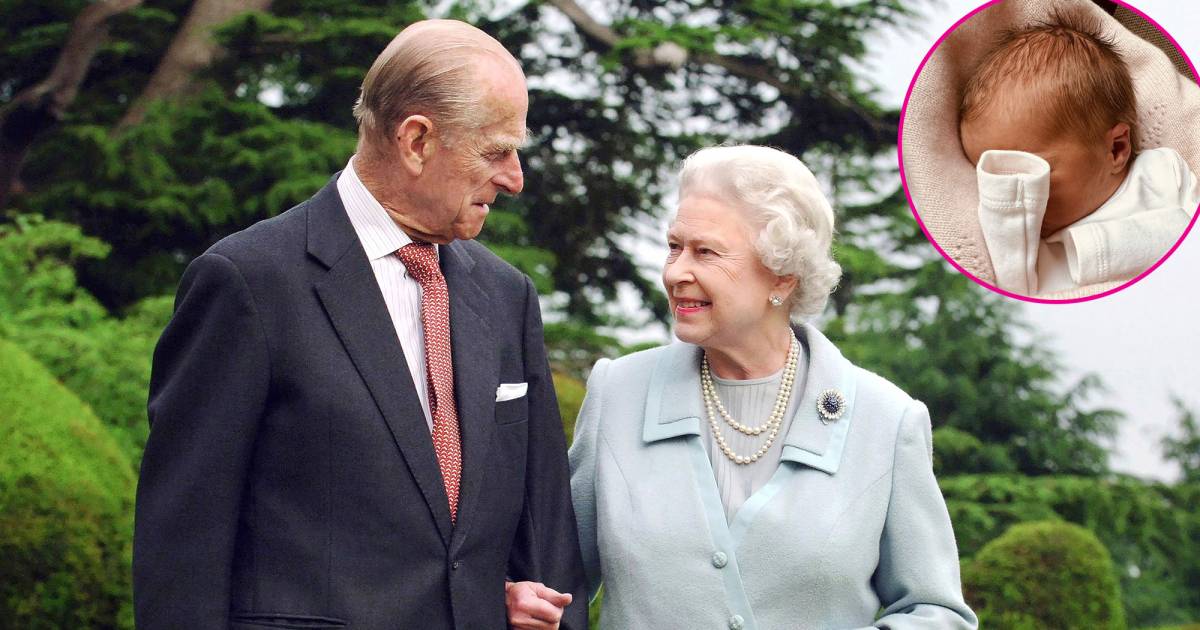
Legacy in Names: Honoring Queen Elizabeth II and Prince Philip
The royal family continues to pay tribute to Queen Elizabeth II and Prince Philip by naming new members in their honor. This practice not only reflects the enduring legacy of the monarchy but also sparks conversations about tradition and identity within the royal lineage. As we delve deeper into this fascinating topic, it becomes clear that the act of naming carries significant weight in royal culture, symbolizing respect, remembrance, and continuity.
Understanding the Tradition of Naming in the Royal Family
In royal families around the world, the tradition of naming children after significant figures is a long-standing custom. This practice serves multiple purposes:
- Commemoration: Names can serve as a reminder of the contributions made by previous generations.
- Connection: It helps foster a sense of continuity and connection to the past.
- Identity: Names can shape identity, representing values, virtues, and lineage.
For the British royal family, this practice has taken on a particularly poignant meaning following the deaths of Queen Elizabeth II and Prince Philip. As the family navigates a new era, the decision to honor their legacy through naming signifies an acknowledgment of their profound impact on the monarchy and the nation.
The Legacy of Queen Elizabeth II
Queen Elizabeth II, who reigned for over 70 years, left an indelible mark on the monarchy and the world. Her commitment to duty, resilience in the face of adversity, and ability to adapt to changing times are qualities that many aspire to emulate. The royal family’s choice to name new members after her is a testament to her enduring influence.
Consider how the name “Elizabeth” has resonated through the generations. It is not merely a name; it embodies the spirit of a queen who dedicated her life to serving her people. By bestowing her name upon a new generation, the royal family emphasizes the values she represented—strength, dignity, and a deep sense of responsibility.
Prince Philip’s Legacy
Similarly, Prince Philip’s contributions cannot be overlooked. Known for his wit, dedication to public service, and support of the Queen, his legacy is equally honored through naming. His own name carries a sense of history, being derived from the Greek Philppos, meaning “lover of horses.” This is reflective of his passion for equestrian sports and his commitment to various charitable organizations.
As the royal family considers names for future generations, they are likely to include “Philip” as a way to pay homage to his life and work. Prince Philip’s influence extended beyond his royal duties; he championed causes related to the environment, industry, and youth, making his legacy multifaceted and rich.
Recent Naming Trends in the Royal Family
In recent years, the royal family has embraced this tradition by naming their children and grandchildren in honor of Queen Elizabeth II and Prince Philip. For instance, the birth of Princess Eugenie’s son in February 2021 saw the name “August Philip Hawke Brooksbank,” directly referencing Prince Philip. This choice not only honors his memory but also reinforces the connection between generations.
Moreover, the names chosen often reflect familial ties and historical significance. The royal family has a rich tradition of selecting names that resonate with their heritage, making each new addition to the family tree a living link to the past.
Impact on Royal Identity and Public Perception
These naming choices have implications beyond personal significance; they also shape public perception of the royal family. By honoring Queen Elizabeth II and Prince Philip, the royals communicate their commitment to the values these figures embodied. This can enhance their image as a family rooted in tradition while also demonstrating their adaptability to modern times.
Furthermore, the public’s response to these names often reflects broader societal sentiments. Many view the use of names like Elizabeth and Philip as a way to maintain continuity in a rapidly changing world. It serves as a reminder of stability, especially during times of uncertainty.
Conversations About Tradition and Modernity
The practice of naming children after revered figures raises essential conversations about tradition versus modernity. In an age where individualism often takes precedence, the royal family’s adherence to such traditions can appear both refreshing and controversial. Some may argue that these names are steeped in history, while others may feel they limit personal expression.
However, the royal family’s decisions can be seen as a balancing act. They honor their past while still allowing room for modern influences and personal preferences. This reflects a broader trend in society where individuals seek to connect with their heritage while carving out their unique identities.
The Emotional Significance of Names
Names carry emotional weight. For the royal family, naming children in honor of Queen Elizabeth II and Prince Philip serves as a powerful emotional tribute. It reflects grief, love, and respect for those who have passed while simultaneously celebrating their lives and legacies. It also offers the royal family a way to process their loss collectively, finding solace in the continuity of their lineage.
As new generations grow up with these names, they will carry the stories and values associated with them, fostering a bond with their ancestors. This continuity of legacy is crucial for the monarchy, as it strengthens the family’s narrative and reinforces their role in society.
Conclusion: A Lasting Legacy
The tradition of naming children after significant figures, particularly in the context of honoring Queen Elizabeth II and Prince Philip, highlights the complexities of royal identity and legacy. As the royal family continues to welcome new members, each name chosen becomes a thread in the rich tapestry of history and tradition.
Through these names, the royal family not only pays homage to their beloved predecessors but also engages in a broader dialogue about lineage, identity, and the values they wish to pass down. Ultimately, the legacy of Queen Elizabeth II and Prince Philip lives on in the very names that will define future generations of the British royal family.
See more CNET Live