
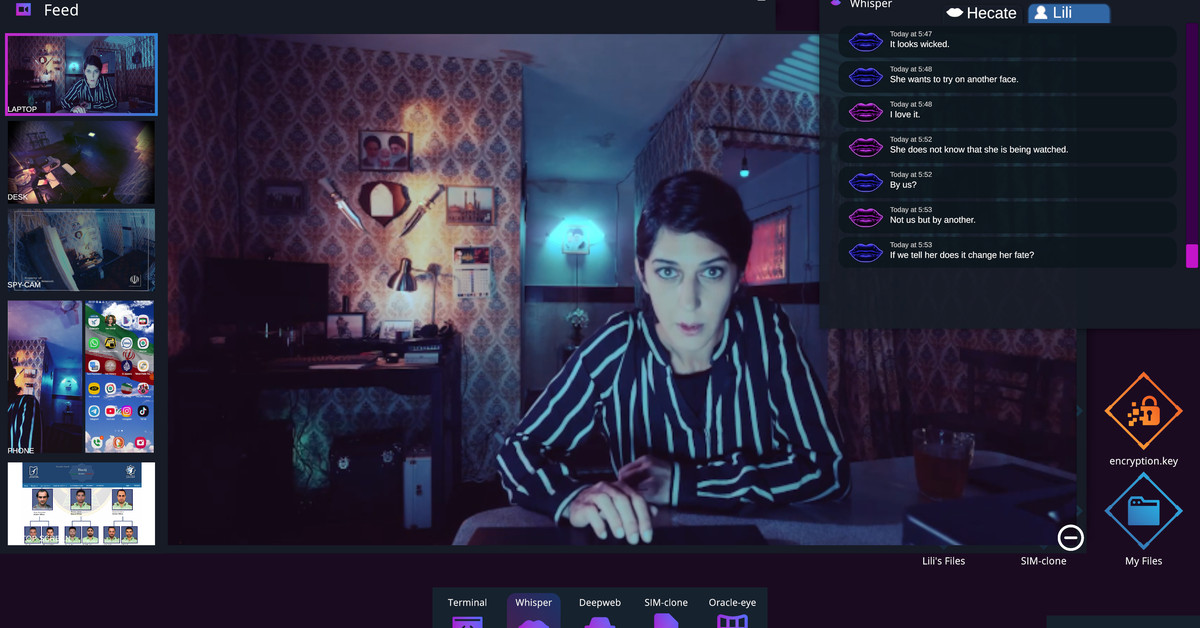
From Stage to Screen: The Royal Shakespeare Company’s Bold Neo-Noir Take on Macbeth
The Royal Shakespeare Company (RSC) has long been a beacon of artistic innovation and excellence in the world of theater. With its latest venture, the RSC is poised to take Shakespeare’s iconic tragedy, “Macbeth,” and reimagine it within the captivating world of a neo-noir video game. This remarkable adaptation promises to bridge the gap between traditional storytelling and modern gaming, inviting both seasoned Shakespeare enthusiasts and new audiences into the shadowy landscape of ambition, guilt, and betrayal.
The Essence of Macbeth in a New Medium
At its core, “Macbeth” explores timeless themes—ambition, power, and the dark side of human nature. The RSC’s adaptation aims to capture these elements in a neo-noir aesthetic, characterized by its moody lighting, complex characters, and morally ambiguous narratives. By transitioning this classic play into a video game format, the RSC is not merely modernizing the story; it is creating an interactive experience that allows players to immerse themselves in the psychological depths of Macbeth’s descent into madness.
What is Neo-Noir?
Neo-noir, a term that emerged in the late 20th century, refers to contemporary works that draw inspiration from classic film noir. This genre often features:
- Complex Characters: Protagonists who are flawed and morally ambiguous.
- Stylized Visuals: Dark, moody cinematography that creates a sense of unease.
- Intricate Plots: Stories that weave together themes of crime, moral ambiguity, and existential despair.
By incorporating these elements into “Macbeth,” the RSC is not only paying homage to the original play but also positioning it within a genre that resonates with modern audiences. The neo-noir approach allows for a fresh interpretation of the characters—Macbeth, Lady Macbeth, and the three witches—who will be portrayed with a depth that reflects the complexities of human ambition and moral conflict.
Interactive Storytelling: Engaging with Shakespeare
The interactive nature of a video game offers a unique opportunity for storytelling. Players will assume the role of Macbeth, navigating through a richly developed narrative where their choices will influence the outcome of the story. This level of engagement is a significant departure from traditional theater, where the audience is a passive observer. In a video game, players can:
- Make Decisions: Choices will affect character relationships and plot developments, allowing for multiple endings.
- Explore Environments: Players can delve into the dark and atmospheric settings inspired by the play, from the eerie Scottish moors to the opulent yet foreboding castle.
- Experience Character Perspectives: Engaging with different characters will provide insights into their motivations and moral dilemmas.
This interactivity not only makes the experience more engaging but also enhances the understanding of the characters’ motivations and the consequences of their actions. As players navigate Macbeth’s tragic journey, they will grapple with the themes of ambition and guilt in a visceral and personal way.
Modernizing Shakespeare Without Losing Its Essence
Some purists may question whether a video game adaptation can do justice to the original text of “Macbeth.” However, the RSC is committed to preserving Shakespeare’s poetic language while also adapting the narrative for a modern audience. The game will include:
- Authentic Dialogue: Key lines from the play will be woven into the gameplay, ensuring the essence of Shakespeare’s work remains intact.
- Dynamic Voice Acting: Skilled voice actors will bring the characters to life, enhancing emotional engagement.
- Visual Storytelling: Cinematic cutscenes will be used to convey pivotal moments, allowing players to experience the drama visually.
This careful balance between modern gameplay mechanics and Shakespearean dialogue will offer players a unique opportunity to appreciate the richness of the text while engaging with it in a fresh context.
Reaching New Audiences
One of the most exciting aspects of the RSC’s neo-noir “Macbeth” is its potential to attract a new generation of fans to Shakespeare. Video games are a dominant form of entertainment for many young people today, and by meeting them in this medium, the RSC is breaking down barriers that often exist between classic literature and modern audiences.
Moreover, this adaptation can serve as an educational tool. Teachers can use the game to engage students with Shakespeare’s work in a way that feels relevant and exciting. The interactive elements can spark discussions about themes, character motivations, and moral dilemmas, making the study of Shakespeare more accessible and enjoyable.
The Future of Theater and Gaming
The RSC’s bold venture into the realm of video games marks a significant moment not just for Shakespearean adaptations but also for the future of theater and gaming as interconnected art forms. As technology advances, the possibilities for storytelling expand, allowing for innovative experiences that transcend traditional formats.
This adaptation raises important questions about the role of audience engagement in storytelling. Can video games provide a deeper understanding of classic texts? How can traditional theater evolve to incorporate new technologies? The RSC’s exploration of these themes paves the way for future collaborations between the arts and technology, potentially leading to more groundbreaking adaptations of literary classics.
Conclusion: A New Chapter for Shakespeare
The Royal Shakespeare Company’s neo-noir take on “Macbeth” represents a thrilling convergence of classic literature and modern technology. By transforming this timeless tragedy into an interactive video game, the RSC is not only preserving the essence of Shakespeare’s work but also inviting a diverse audience to engage with it in new and exciting ways. As players navigate the dark world of Macbeth, they will encounter the same themes of power and ambition that have resonated through the ages, all while experiencing the story in a format that speaks to today’s digital age. In doing so, the RSC is not just redefining “Macbeth”—it’s redefining the future of storytelling itself.
See more CNET Live