
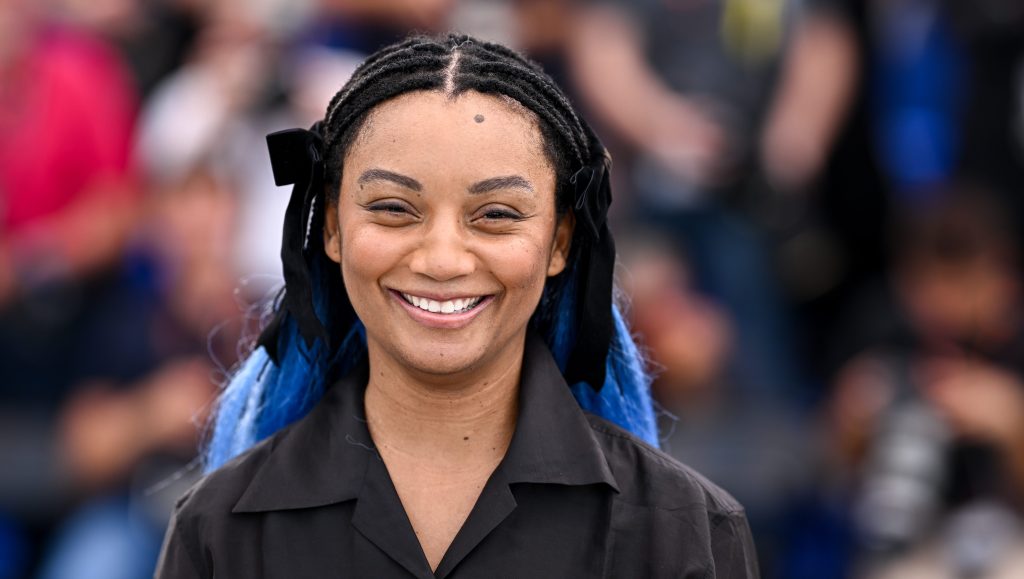
Rungano Nyoni Unveils the Challenges of African Film Distribution
In the vibrant tapestry of global cinema, African films often find themselves at the periphery, struggling for recognition and distribution. Rungano Nyoni, an acclaimed filmmaker known for her insightful narratives and unique storytelling, recently shared her experiences and aspirations in an exclusive interview. With her latest project, On Becoming A Guinea Fowl, Nyoni delves deep into the intricate challenges of African film distribution, illuminating the hurdles that filmmakers face in bringing their stories to audiences both within and outside the continent.
The Landscape of African Film Distribution
The distribution of African films has long been a contentious issue, marked by a lack of infrastructure, funding, and interest from mainstream distributors. Nyoni highlights that the challenges are not merely logistical but also cultural. Many distributors are hesitant or unwilling to invest in African narratives, often viewing them as niche markets rather than potential goldmines.
- Limited Distribution Channels: There are few established pathways for African films to reach audiences. Local cinemas often prioritize international films, leaving indigenous stories sidelined.
- Marketing and Promotion: A significant hurdle is the minimal marketing budgets available for African films, which means that even the most compelling stories often go unnoticed.
- Perception Issues: Many distributors harbor preconceived notions about African cinema, viewing it through a narrow lens that fails to appreciate its diversity and richness.
Nyoni passionately argues that these barriers prevent African filmmakers from thriving creatively and financially. She emphasizes that the lack of investment in local talent ultimately stunts the growth of the industry as a whole.
The Making of On Becoming A Guinea Fowl
Nyoni’s latest work, On Becoming A Guinea Fowl, is a testament to her resilience and creativity in the face of adversity. The film explores themes of identity and transformation, using a blend of humor and poignant storytelling to engage audiences. In the interview, Nyoni shared that the inspiration for the film came from her reflections on personal and cultural identity, as well as her desire to challenge stereotypes about African narratives.
The process of creating this film was not without its challenges. Nyoni discussed the difficulties she faced in securing funding and navigating the bureaucratic red tape often associated with film production in Africa. “It’s a labor of love,” she said, “but it shouldn’t have to be this hard.” Her determination to bring her vision to life speaks volumes about her commitment to African cinema.
Challenges in Securing Distribution
One of the most significant challenges Nyoni encountered was finding a distributor willing to take a chance on her film. She pointed out that many distributors are focused on what is commercially viable rather than what is artistically meaningful. “It’s frustrating to see so many stories go untold simply because they don’t fit a specific mold,” she lamented.
Nyoni’s experience echoes a broader sentiment within the African film community. Many filmmakers report similar struggles, as they often find themselves having to self-distribute their work or rely on grassroots efforts to get their films seen. “We need to advocate for our stories and find new ways to reach audiences,” she said, urging fellow filmmakers to be innovative in their approach.
Future Aspirations and Opportunities
Despite the challenges, Nyoni remains optimistic about the future of African cinema. She believes that the digital revolution presents significant opportunities for filmmakers to connect with audiences directly. Platforms like Netflix and Amazon Prime have begun to recognize the value of African stories, providing a much-needed avenue for distribution.
- Embracing Digital Platforms: Nyoni encourages filmmakers to leverage digital tools to tell their stories and find their audiences. “The internet is a powerful tool; we should use it to our advantage,” she stated.
- Collaboration and Networking: Building networks among African filmmakers can lead to collaborative projects that share resources and audiences, further enhancing distribution efforts.
- Educational Initiatives: Nyoni advocates for more educational programs that teach aspiring filmmakers about distribution strategies and the business side of filmmaking.
Looking ahead, Nyoni has exciting plans for her future projects. She envisions creating more films that challenge societal norms and reflect the complexities of African life. “I want to create stories that resonate with people, regardless of where they come from,” she expressed passionately.
Conclusion
Rungano Nyoni’s insights into the challenges of African film distribution illuminate a pressing issue in the industry today. Her experiences with On Becoming A Guinea Fowl serve as a microcosm of the broader struggles faced by African filmmakers. Despite these challenges, Nyoni’s determination and innovative spirit shine through, offering hope for the future of African cinema.
As the landscape shifts and opportunities expand, Nyoni calls for a collective effort to support and promote African stories. By fostering a culture of collaboration, embracing digital platforms, and advocating for increased investment in local talent, the future of African film can indeed be bright. With voices like Nyoni’s leading the charge, the narrative of African cinema is poised for transformation, promising a wealth of stories that are waiting to be told.
See more CNET Live