
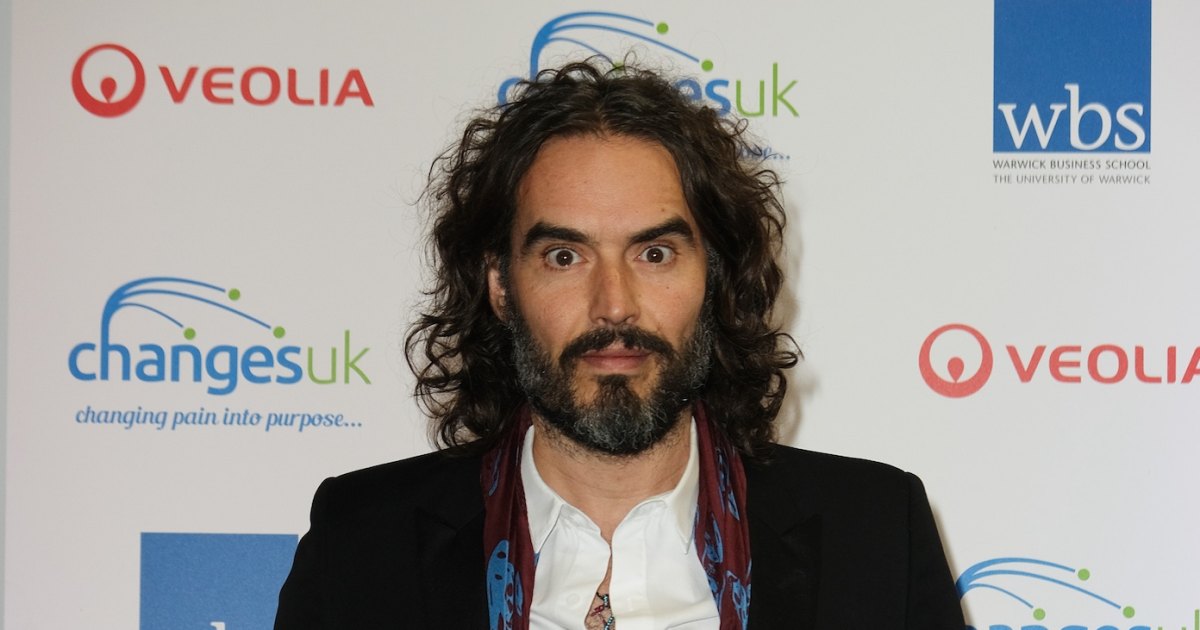
Unveiling the Allegations: Russell Brand’s BBC Misconduct Investigation
The ongoing investigation into Russell Brand’s alleged misconduct during his time at the BBC has ignited a firestorm of discussion and concern within the media landscape. As details emerge, they raise serious questions not only about Brand’s professional conduct but also about the broader implications for accountability in the entertainment industry. This article delves deep into the allegations, exploring their context, the responses from various stakeholders, and the potential repercussions for Brand and the BBC.
The Allegations: A Closer Look
At the heart of the investigation are multiple complaints made against Russell Brand, spanning various incidents that reportedly occurred during his tenure at the BBC. These allegations encompass a range of misconduct, including inappropriate behavior, verbal harassment, and a general disregard for professional boundaries. Such claims have surfaced from colleagues, staff members, and even some fans who have recounted uncomfortable experiences involving the comedian and presenter.
While the specifics of each complaint are still being examined, the sheer volume and seriousness of the allegations compel a closer look at the culture within the BBC during Brand’s time. Critics argue that a more robust system for addressing misconduct should have been in place to protect employees, especially in an environment that has often been labeled as “boys’ club.” The BBC has launched an internal investigation, aiming to understand the circumstances surrounding these claims and ascertain the veracity of the allegations.
The BBC’s Response to the Allegations
In response to the unfolding situation, the BBC has stated its commitment to maintaining a safe workplace for all employees. They have reiterated their zero-tolerance policy towards any form of harassment or misconduct, emphasizing the importance of a respectful and professional environment.
The broadcaster’s approach to handling the investigation has come under scrutiny. Some industry experts suggest that the BBC needs to take a more transparent approach, providing updates to the public and ensuring that any findings are handled with accountability. The allegations against Brand have not only put the spotlight on his behavior but have also ignited a larger conversation about workplace culture in media organizations.
The Impact on Russell Brand’s Career
Russell Brand, known for his flamboyant personality and controversial opinions, has built a career on his unique brand of humor and charisma. However, the ongoing allegations could have severe consequences for his professional life. In recent years, Brand has transitioned into a political commentator and social media influencer, gaining a significant following. The investigation may jeopardize his current ventures and future opportunities.
As the investigation develops, Brand has taken to social media to address the allegations indirectly, often emphasizing his desire for personal growth and change. However, many remain skeptical of his claims, given the weight of the accusations against him. The public’s perception of Brand is likely to shift, with many questioning whether he can maintain his audience and influence amid such serious accusations.
Broader Implications for the Media Landscape
The allegations against Russell Brand are not an isolated incident but part of a larger narrative about accountability in the entertainment industry. As more allegations of misconduct come to light, there is a growing demand for transparency and reform in how organizations handle such claims. The #MeToo movement, which gained momentum in recent years, has played a crucial role in empowering individuals to speak out against abusive behavior.
In this context, the media landscape is evolving. Organizations like the BBC must adapt and implement measures that not only respond to allegations but also proactively prevent them. This could include:
- Enhanced Training Programs: Institutions should prioritize training on harassment and professional boundaries to educate employees about acceptable conduct.
- Clear Reporting Mechanisms: Establishing a straightforward process for reporting misconduct can ensure employees feel safe and supported when voicing concerns.
- Transparent Investigative Processes: Maintaining transparency during investigations can help rebuild trust with both employees and the public.
The Future of Russell Brand and the BBC
As the investigation unfolds, the future for both Russell Brand and the BBC remains uncertain. For Brand, the outcome may dictate not only his career trajectory but also his public image. For the BBC, the investigation will likely serve as a pivotal moment, potentially leading to significant changes in their policies and culture.
The implications of this investigation extend beyond the individuals involved. It underscores the necessity for organizations to foster an environment where misconduct is neither tolerated nor overlooked. The entertainment industry, in particular, must reevaluate its approach to such serious allegations to ensure that accountability becomes the norm rather than the exception.
Conclusion
The allegations against Russell Brand are a wake-up call for the media industry, highlighting the urgent need for change in how misconduct is addressed and prevented. As the investigation progresses, it remains to be seen how both Brand and the BBC will navigate this challenging period. Ultimately, this situation may serve as a catalyst for a more responsible and respectful culture within the entertainment landscape, benefiting not just those who work in the industry, but also the audiences they serve.
In a world increasingly focused on accountability and reform, the outcome of this investigation could pave the way for a new standard in media ethics, fostering a safer and more equitable environment for all.
See more CNET Live