
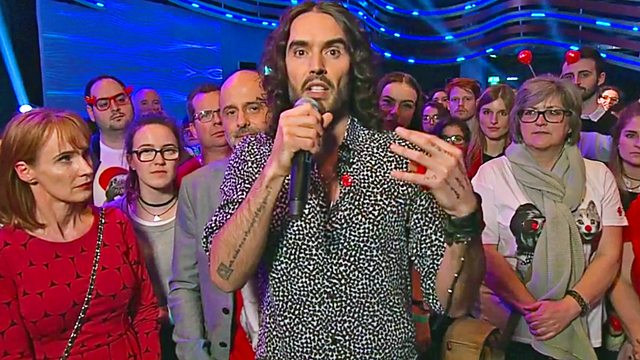
Behind the Curtain: Russell Brand’s Controversial Return to ‘Comic Relief’
Russell Brand’s recent return as a co-host on the beloved British charity event ‘Comic Relief’ has stirred up a whirlwind of discussion and debate. This appearance comes on the heels of a formal misconduct complaint lodged against him with the BBC, raising questions about the intersection of charity, entertainment, and accountability. This intriguing blend of charity and controversy invites scrutiny into the media’s handling of such allegations and the implications for public figures in entertainment. As we delve deeper into this situation, we explore the multifaceted dynamics at play and the broader conversation surrounding accountability in the entertainment industry.
The Background of the Allegations
In the past few years, the entertainment industry has been rocked by numerous allegations of misconduct against public figures. Russell Brand, a prominent comedian and actor, is no stranger to controversy. His past behavior has often been scrutinized, and recent allegations have reignited discussions about his conduct both on and off the screen. The formal complaint lodged against him with the BBC has brought these issues to the forefront once more.
Brand’s style, often provocative and boundary-pushing, has garnered him both a devoted fanbase and significant criticism. The recent allegations suggest a pattern of behavior that some believe warrants serious examination. However, it’s crucial to note that allegations do not equate to guilt, and the legal principle of “innocent until proven guilty” remains a cornerstone of justice.
Comic Relief: A Platform for Charity and Controversy
‘Comic Relief’ has been a staple of British television since its inception in 1985, known for its blend of humor and humanitarianism. The show raises funds for various charitable causes, particularly those focused on alleviating poverty and helping vulnerable communities. However, the show’s platform also invites scrutiny, especially when controversial figures like Russell Brand take center stage.
Brand’s return to ‘Comic Relief’ has sparked mixed reactions. Some viewers express support for his comedic talents, arguing that his ability to engage audiences can help raise important funds for charity. Others, however, feel uncomfortable with his presence, believing that the event should be a space free from the shadows of alleged misconduct.
The Media’s Role in Handling Allegations
The media plays a pivotal role in shaping public perception, especially when it comes to allegations against celebrities. In the wake of the #MeToo movement, there has been a heightened awareness of how misconduct allegations are reported and discussed. The media’s responsibility is to balance the need for transparency with the need for fairness and due process.
In Brand’s case, the media coverage has varied widely. Some outlets focus on the sensational aspects of the allegations, while others strive for more balanced reporting. This inconsistency can lead to public confusion and the potential for misinformation. It’s essential for consumers of news to critically evaluate the sources they rely upon and to seek out comprehensive, factual accounts of unfolding events.
The Impact on Public Figures in Entertainment
The entertainment industry often finds itself at the crossroads of celebrity culture and social responsibility. Public figures like Russell Brand hold significant influence and are expected to be role models. When allegations arise, it forces a broader conversation about accountability, ethics, and the responsibilities of those in the spotlight.
- Accountability: It’s vital for public figures to be held accountable for their actions. This means not only addressing allegations directly but also fostering an environment where such behaviors are not tolerated.
- Support for Victims: The industry must prioritize the voices of victims and ensure that they feel safe coming forward without fear of backlash.
- Dialogue and Education: Continuous dialogue about acceptable behavior and the importance of consent can help pave the way for a more respectful industry.
Public Reaction and Social Media Influence
Social media has transformed how we discuss and react to controversies in real-time. Brand’s return to ‘Comic Relief’ has elicited strong responses across various platforms. Supporters praise his comedic genius, while critics express discontent, questioning the appropriateness of his involvement given the ongoing allegations.
This instant feedback loop can amplify voices on both sides and create a polarized environment. Social media’s role in shaping public opinion is undeniable; however, it also raises the question of whether online sentiments reflect the broader population or merely a vocal minority.
The Future of Russell Brand and ‘Comic Relief’
As Russell Brand continues to navigate the waters of public scrutiny, his future in the entertainment industry remains uncertain. While his comedic talent is widely recognized, the impact of the allegations may linger and influence his career trajectory. For ‘Comic Relief,’ the decision to include Brand as a co-host could set a precedent for how the charity handles similar situations in the future.
Ultimately, the interplay between entertainment and social responsibility will continue to be a hot topic. As audiences, we must remain vigilant and engaged, advocating for a culture that prioritizes both accountability and compassion. The conversations surrounding figures like Russell Brand serve as a reminder of the complexities inherent in celebrity culture and the need for thoughtful dialogue.
Conclusion: Moving Forward
Russell Brand’s controversial return to ‘Comic Relief’ amidst misconduct allegations highlights a critical moment in the ongoing dialogue about accountability in the entertainment industry. While the blend of charity and controversy invites scrutiny, it also offers an opportunity for growth and reflection. As viewers, we are called to engage with these issues thoughtfully, recognizing the importance of supporting victims while also allowing for due process in addressing allegations.
As we look to the future, it is essential to foster an entertainment landscape that champions ethical behavior, supports victims, and encourages open dialogue. The journey is complex, but through continued engagement and awareness, we can work toward a more responsible and compassionate industry.
See more CNET Live