
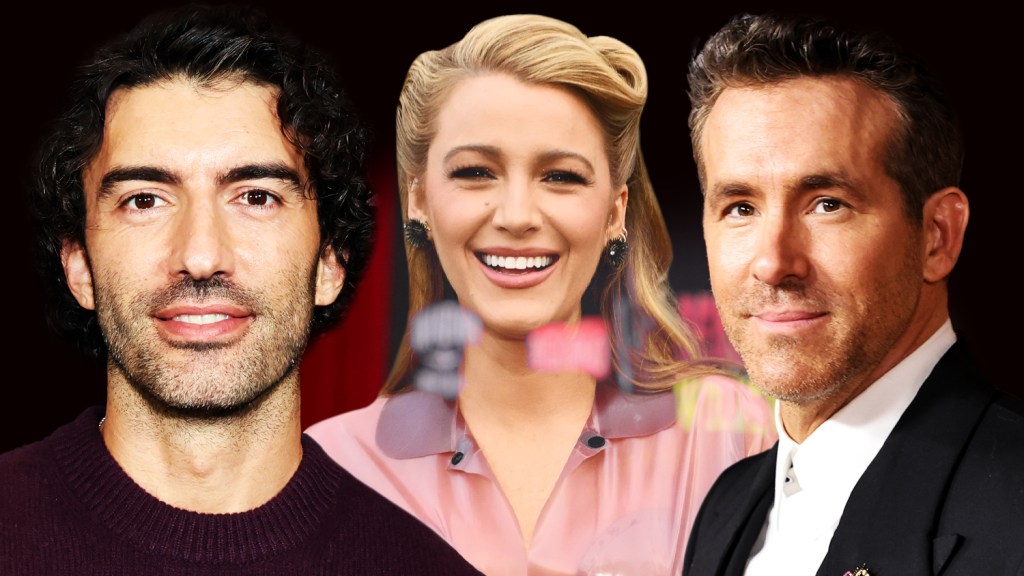
Ryan Reynolds Takes a Stand: Dismissal Motion in $400 Million Defamation Suit Against Justin Baldoni
In an unexpected turn of events that has captivated the entertainment world, Ryan Reynolds has filed a motion to dismiss a $400 million defamation lawsuit initiated by actor Justin Baldoni. This case not only highlights the intricacies of celebrity culture but also raises significant questions about accountability in public discourse. Reynolds, known for his sharp wit and candid demeanor, has referred to the lawsuit as a “gossip rag,” sparking widespread debate regarding the boundaries of free speech and the responsibilities of public figures.
The Background of the Legal Battle
The origins of this high-profile lawsuit can be traced back to a series of comments made during an interview by Reynolds that Baldoni claims defamed him. Baldoni, who is best known for his role in the television series “Jane the Virgin,” alleges that Reynolds’ remarks have caused irreparable harm to his reputation and career. The stakes are high, with the $400 million figure reflecting not only potential damages but also the growing tensions in Hollywood over media narratives and personal branding.
What Led to the Defamation Claim?
To understand the intricacies of this case, one must consider the context in which the comments were made. Reynolds, while discussing the pressures of fame and the often toxic nature of celebrity culture, reportedly made a few offhand remarks about Baldoni. Although intended as lighthearted banter, Baldoni interpreted these comments as damaging, leading to the current legal confrontation.
In his motion to dismiss, Reynolds argues that the comments were made in a comedic context and should be protected under the umbrella of free speech. He contends that public figures must endure a higher level of scrutiny and that humor, especially within the entertainment industry, often walks a fine line between jest and offense.
Legal Implications and Celebrity Accountability
This case underscores the complex dynamics at play when it comes to celebrity accountability. As public figures, actors like Reynolds and Baldoni exist in a world where their words and actions are closely monitored and often scrutinized. The legal implications of their interactions are vast, particularly when considering the following:
- Freedom of Speech: The First Amendment protects individuals against government restrictions on speech, but the lines become blurred when discussing defamation and public figures.
- Public Figure Status: Baldoni’s status as a public figure means he must demonstrate that Reynolds acted with “actual malice,” a challenging standard in defamation cases.
- Impact of Social Media: The rapid spread of information on platforms like Twitter and Instagram complicates how statements are perceived and shared, often amplifying their impact.
The Role of Humor in Hollywood
Reynolds’ defense leans heavily on the notion that humor is inherently subjective. Comedians and entertainers often use satire and hyperbole to address serious issues, yet this can lead to misunderstandings that escalate into legal battles. As Reynolds himself has stated, “If we can’t joke about ourselves, what’s the point?” This perspective raises a critical question: where do we draw the line between humor and harm?
Reactions from the Industry
The entertainment industry has responded with a mix of support and criticism for both Reynolds and Baldoni. Many celebrities have expressed solidarity with Reynolds, emphasizing the necessity of freedom of expression in creative fields. Others, however, have sided with Baldoni, arguing that the repercussions of careless words can be severe, especially in an age where public perception can change in an instant.
Public Opinion and Media Coverage
Public reactions have varied widely. Social media platforms have become battlegrounds for opinions, with fans and followers weighing in on the merits of each side. Some argue that Baldoni’s lawsuit is an overreaction, while others believe it’s a necessary stand against the perpetuation of damaging narratives in the media.
Media coverage of the lawsuit has also played a significant role in shaping public perception. Tabloid headlines and sensationalized articles often overlook the nuances of legal disputes, focusing instead on the drama and conflict inherent in celebrity culture. This has led to a distorted understanding of the facts, complicating the dialogue surrounding the case.
The Path Forward
As the legal proceedings unfold, the implications of this case extend beyond Reynolds and Baldoni. It raises essential questions about the responsibilities of public figures in an era where every statement can be dissected and scrutinized. Will this case set a precedent for how defamation suits are handled in the entertainment industry, particularly concerning humor and public discourse?
Potential Outcomes
Several potential outcomes could arise from this case:
- Dismissal of the Lawsuit: If the court finds Reynolds’ comments to be protected speech, the lawsuit could be dismissed, reinforcing the importance of humor and free expression.
- Settlement: The parties may reach an out-of-court settlement, allowing both to save face and avoid a protracted legal battle.
- Establishment of New Precedents: Should the court side with Baldoni, it may pave the way for stricter interpretations of defamation laws regarding public figures.
Conclusion
As Ryan Reynolds takes a stand against the $400 million defamation suit brought by Justin Baldoni, the legal and cultural implications of this case are profound. It serves as a reminder of the delicate balance between free speech and accountability, particularly in an age dominated by social media and constant public scrutiny. Regardless of the outcome, this case will likely influence how future defamation suits are perceived and handled within the entertainment industry. In a world where words can wield immense power, the responsibility of wielding them thoughtfully remains paramount.
See more CNET Live