
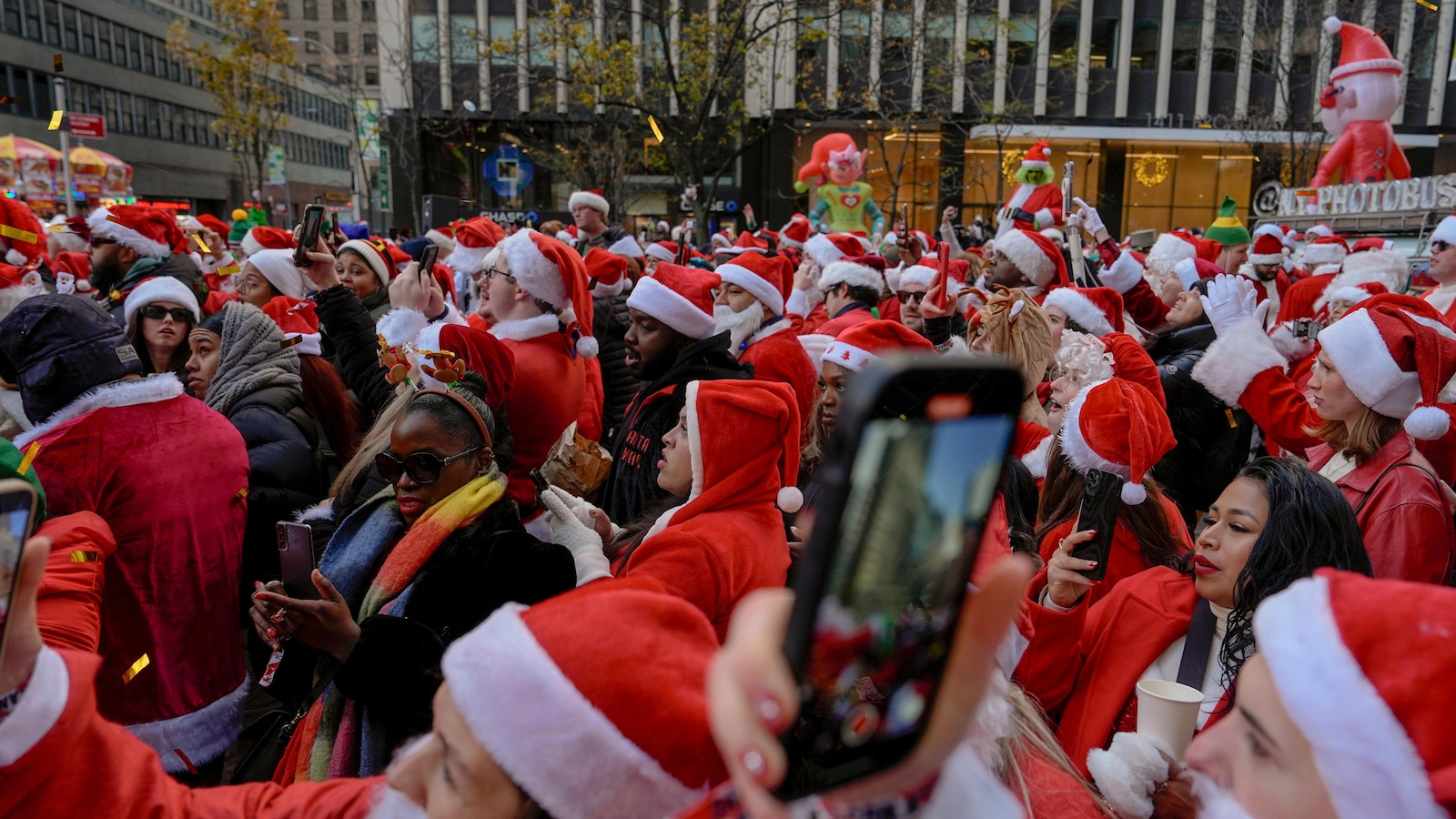
Embracing the Holiday Spirit: The Phenomenon of SantaCon
As winter descends and holiday decorations adorn city streets, a unique celebration known as SantaCon emerges, captivating the hearts of many while igniting a firestorm of debate among critics. This annual event, which involves participants dressing as Santa Claus and other festive characters, transforms urban landscapes into vibrant spectacles of holiday cheer. Yet, for every joyful reveler, there exists a faction of dissenters raising concerns about the event’s impact on local communities. This article delves into the origins of SantaCon, its cultural significance, the criticisms it faces, and the broader implications of such large-scale festivities.
The Origins of SantaCon
SantaCon, which first took place in San Francisco in 1994, was intended as a playful protest against the commercialization of Christmas. Over the years, it has evolved from a small gathering into a worldwide phenomenon, with events taking place in cities across the globe, including New York City, London, and Tokyo. Each December, thousands of participants don their best holiday attire, ranging from traditional Santa suits to creative interpretations of Christmas characters, and embark on a spirited bar crawl.
The event is characterized by its lightheartedness and community spirit, as participants come together to celebrate the joy of the holiday season. Social media has played a significant role in popularizing SantaCon, allowing participants to share their experiences and photos, thus attracting even larger crowds each year.
The Joy of Participation
For many, SantaCon represents a unique opportunity to break away from the monotony of everyday life and embrace a sense of camaraderie and joy. Participants often cite several reasons for their involvement:
- Community Building: SantaCon fosters a sense of community as participants bond over shared experiences, often meeting new friends along the way.
- Festive Spirit: The event encapsulates the joy of the holiday season, allowing people to express their creativity through costumes and engage in light-hearted festivities.
- Charitable Giving: Many SantaCon events incorporate charity elements, encouraging participants to donate to local causes or bring toys for underprivileged children.
The Grinch-Like Dissent
Despite the festive atmosphere, SantaCon has not escaped criticism. Detractors, often referred to as “Grinches,” raise several concerns regarding the event:
- Public Disorder: Critics argue that the large crowds can lead to public intoxication, vandalism, and disturbances in neighborhoods, straining local law enforcement and emergency services.
- Commercialization of Tradition: Some feel that events like SantaCon undermine the true meaning of Christmas by reducing it to a drunken bar crawl.
- Impact on Local Businesses: While some local businesses benefit from the influx of patrons, others report negative experiences due to rowdy behavior and littering that follows the festivities.
Balancing Celebration and Responsibility
In response to the criticisms, many SantaCon organizers have started to implement measures aimed at promoting responsible celebration. These include:
- Designated Routes: Organizers are creating mapped routes to guide participants through designated areas, reducing the likelihood of disturbances in residential neighborhoods.
- Partnering with Local Authorities: Collaborations with local law enforcement aim to ensure safety and address any public order issues that may arise during the event.
- Encouraging Responsible Drinking: Many events now include messaging about responsible alcohol consumption, with options for sober transportation available to participants.
The Cultural Impact of SantaCon
SantaCon has transcended its original intent, evolving into a cultural phenomenon that reflects broader societal attitudes toward celebration, community, and holiday traditions. It serves as a lens through which to examine contemporary holiday practices:
- Community Engagement: Events like SantaCon highlight the importance of community engagement during the holiday season, providing a platform for social interaction and collective enjoyment.
- Changing Holiday Norms: The evolution of SantaCon reflects shifting perceptions of what constitutes festive celebration, moving away from traditional family gatherings toward more inclusive and diverse expressions of holiday spirit.
- Debate on Commercialization: The discussion surrounding SantaCon resonates with wider debates about the commercialization of holidays, prompting individuals to consider the balance between celebration and consumerism.
Conclusion: A Festive Future or a Cautionary Tale?
As SantaCon continues to grow in popularity, it stands at a crossroads where the joy of community celebration must be balanced with the responsibilities of public conduct and local impact. The event embodies the spirit of the holidays for many, offering a chance to spread cheer and goodwill. Yet, it also serves as a reminder of the need for mindfulness in large gatherings, where the actions of a few can affect the experiences of many.
Ultimately, the future of SantaCon will depend on the ability of organizers, participants, and local communities to navigate the complexities of celebration in a way that honors the holiday spirit while addressing the legitimate concerns raised by critics. As cities continue to host these vibrant gatherings, finding a harmonious balance will be essential to ensure that the joy of SantaCon can endure for years to come.
See more CNET Live