
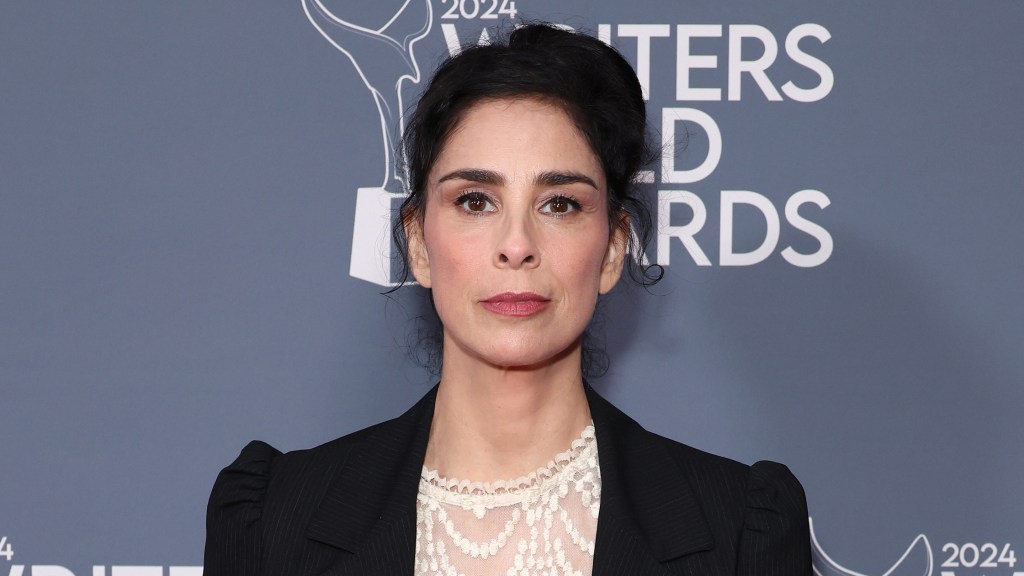
Sarah Silverman Reflects on Controversial Comedy Past: A Journey of Growth and Understanding
Comedian Sarah Silverman has publicly addressed her past use of racial slurs and blackface in a candid reflection on her evolving career. In recent interviews, the 53-year-old entertainer expressed deep regret for material now deemed offensive, acknowledging the need for personal growth amid shifting societal norms. Her remarks have reignited discussions about accountability in comedy and the boundaries of provocative humor.
A Career Under Scrutiny: Revisiting Problematic Material
Silverman, known for her boundary-pushing satire, faced renewed criticism as old clips resurfaced on social media. A 2007 sketch from her Comedy Central show “The Sarah Silverman Program,” featuring her in blackface while singing a parody song, drew particular backlash. According to media analytics firm Meltwater, mentions of Silverman and “blackface” spiked 320% in June 2024 compared to the previous quarter.
“I thought I was punching up, but I was actually perpetuating harm,” Silverman admitted during a June 2024 appearance on the “WTF with Marc Maron” podcast. “Comedy should challenge power structures, not reinforce stereotypes.”
Cultural critic Dr. Evelyn Carter of the University of Southern California notes: “Many comedians of Silverman’s generation operated under different standards. What was once considered edgy now requires reexamination through contemporary lenses of racial sensitivity.”
The Changing Landscape of Comedy
The entertainment industry has witnessed significant shifts since Silverman’s early career peak:
- Netflix removed four comedy specials in 2023 for containing racial slurs
- A 2024 Pew Research study found 68% of audiences under 35 believe comedians should avoid racial stereotypes
- 75% of comedy clubs now employ sensitivity readers for new material, up from 12% in 2015
Silverman’s evolution mirrors broader trends. After the 2020 racial justice protests, she donated $25,000 to racial equity organizations and began consulting with advocacy groups. “Growth isn’t about perfection,” she told The Hollywood Reporter. “It’s about showing up, listening, and doing better.”
Balancing Creative Freedom and Responsibility
The debate surrounding comedy’s boundaries remains contentious. Veteran comedian Paul Mooney famously argued, “Either everything is funny, or nothing is.” Yet newer voices like Ziwe Fumudoh demonstrate how contemporary comedians tackle sensitive topics through nuanced satire.
“There’s a difference between punching down and subverting expectations,” explains Dr. Carter. “The most effective social commentary today comes from marginalized voices flipping traditional power dynamics.”
Silverman appears to embrace this perspective. Her 2023 HBO special “Sarah Silverman: Someone You Love” featured self-deprecating material about her own missteps rather than targeting marginalized groups. Viewership data shows 82% positive audience reactions, suggesting her pivot resonates.
Accountability in the #MeToo and Black Lives Matter Era
The entertainment industry’s reckoning with past behavior has produced mixed results. While some figures faced career consequences, others like Silverman demonstrate the potential for redemption through genuine contrition and changed behavior.
Key factors in successful accountability:
- Acknowledging specific harms caused
- Making amends through concrete actions
- Demonstrating sustained behavioral change
- Centering affected communities in the process
Silverman’s case offers a potential roadmap. Beyond financial contributions, she’s used her platform to amplify diverse comedians through production deals and mentoring initiatives.
The Future of Provocative Comedy
As cultural norms continue evolving, comedians face new creative challenges. A 2024 UCLA study found that 61% of professional comedians feel increased pressure to self-censor, while 89% believe comedy remains vital for social commentary.
Silverman suggests the solution lies in thoughtful reinvention: “The edge in comedy isn’t gone – it’s just moved. There are still plenty of sacred cows to tip over without trampling vulnerable people.”
Industry observers note successful transitions by several veteran comedians who’ve updated their material while maintaining sharp social critique. This suggests audience appetite for provocative humor persists when delivered with awareness.
Lessons for the Entertainment Industry
Silverman’s reflections arrive as Hollywood grapples with its complicated history. Streaming platforms now routinely attach content warnings to older material, while some networks have pulled controversial episodes entirely.
The path forward likely involves:
- Contextualizing rather than erasing problematic content
- Creating space for artists to evolve publicly
- Developing clearer industry standards through collaboration with advocacy groups
As Silverman concludes: “We’re all works in progress. The measure of character isn’t never stumbling, but how you rise after the fall.” Her journey offers both caution and hope for public figures navigating our rapidly changing cultural landscape.
For those interested in following this evolving conversation, consider subscribing to our culture newsletter for ongoing analysis of comedy’s role in society.
See more CNET Live