
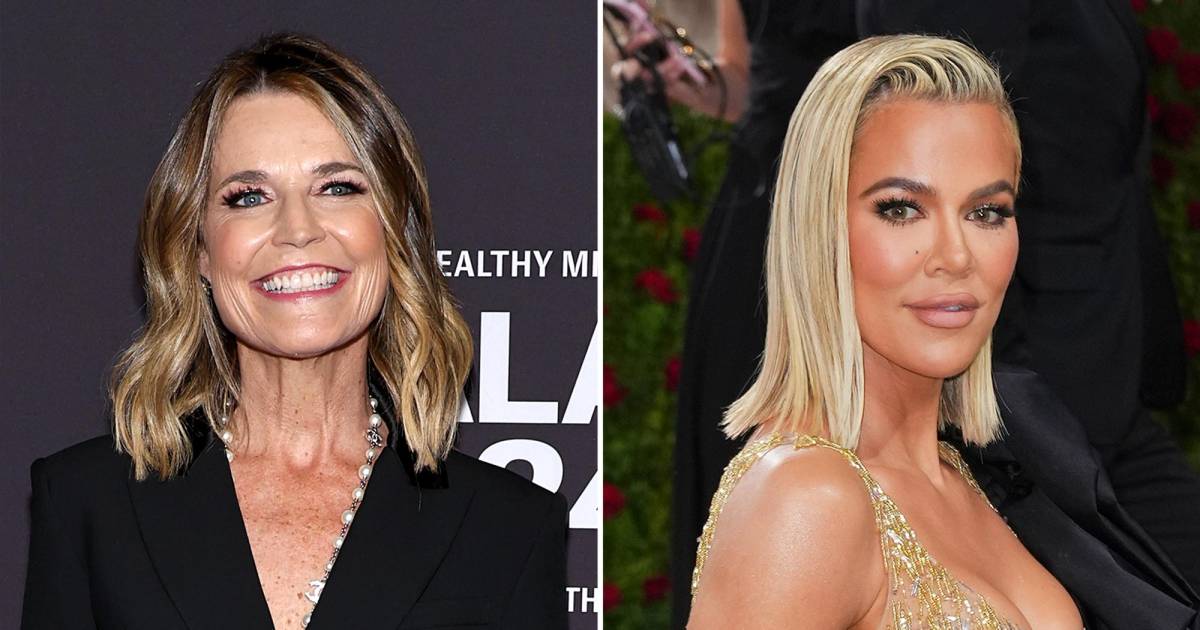
Savannah Guthrie Reflects on Controversial Khloe Kardashian Question
In a recent interview, Savannah Guthrie expressed her deep remorse over a question she directed at Khloe Kardashian regarding the infamous O.J. Simpson trial. This moment of reflection not only highlights Guthrie’s sensitivity as a journalist but also serves as a case study on the delicate balance that reporters must strike when discussing contentious topics involving public figures. The incident sheds light on the broader implications of media ethics, the responsibilities of journalists, and the impact of their inquiries on individuals caught in the public eye.
The Context of the Question
To fully appreciate Savannah Guthrie’s reflections, it’s essential to understand the context surrounding her question. The O.J. Simpson trial, which captivated the nation in the mid-1990s, involved a complex web of emotions, racial tensions, and media frenzy. Khloe Kardashian, being the daughter of Kris Jenner and Robert Kardashian—one of Simpson’s attorneys—was intricately linked to the case from a young age. As a result, any discussion that touches on O.J. Simpson can evoke strong feelings and memories for Kardashian.
During a segment on the “Today” show, Savannah posed a question that many felt was too probing, asking Khloe about her relationship to the trial and how it affected her personally. Guthrie later reflected on the moment, acknowledging that the question may have crossed a line, particularly given the emotional weight it carried for Kardashian. This candid admission is a testament to her professionalism and commitment to ethical journalism.
The Role of Journalists in Sensitive Topics
Journalists like Savannah Guthrie face the formidable task of reporting on sensitive topics while maintaining their integrity and empathy. When dealing with public figures, especially those embroiled in personal and traumatic events, the line between inquiry and intrusion can become blurred. Here are a few key considerations that journalists should keep in mind:
- Empathy: Understanding the emotional landscape of the subject is crucial. Questions should be framed in a way that respects the individual’s experiences and feelings.
- Relevance: Reporters need to assess whether a question is pertinent to the narrative being discussed. If it serves no purpose in advancing the story, it may be better left unasked.
- Timing: The moment a question is posed can significantly impact its reception. A sensitive topic might be better addressed in a different context where the subject feels more comfortable.
- Accountability: Journalists should be prepared for the fallout that may arise from their inquiries and be willing to acknowledge when they’ve misstepped.
Savannah Guthrie’s Growth as a Journalist
Guthrie’s reflection on her question to Khloe Kardashian illustrates her growth and commitment to her craft. In the fast-paced world of media, where sound bites and headlines often take precedence over thoughtful dialogue, it’s refreshing to see a journalist take a step back and evaluate their approach.
This moment of introspection can serve as a learning opportunity for other journalists as well. By acknowledging her misjudgment, Guthrie sets an example for her peers, emphasizing the importance of self-awareness and humility in journalism. Such qualities not only enhance the quality of reporting but also foster trust between journalists and the public.
The Impact of Media on Public Figures
The media’s portrayal of public figures can have profound effects on their lives, both personally and professionally. In Khloe Kardashian’s case, her family’s connection to the Simpson trial has followed her throughout her life, shaping public perception and personal relationships. The relentless scrutiny that comes with fame can lead to a myriad of challenges, including mental health struggles, privacy invasion, and the burden of public expectations.
Moreover, the Kardashian family has often been under intense media scrutiny, which complicates their relationship with the press. While they have leveraged media exposure to build successful brands, they also face the downside of constant attention, leading to difficult situations like the one encountered by Savannah Guthrie.
Reflecting on the Future of Journalism
The conversation surrounding Guthrie’s question and its aftermath opens up broader discussions about the future of journalism. The industry is evolving, and with it, the expectations of both journalists and their audiences. Here are a few trends that are shaping the landscape:
- Increased Accountability: Audiences are more discerning than ever, demanding accountability from journalists and media outlets. This trend encourages reporters to be thoughtful and responsible in their questioning.
- Focus on Mental Health: The conversation around mental health is gaining traction, prompting journalists to consider the psychological impacts of their inquiries on subjects.
- Ethical Journalism: There is a growing emphasis on ethical journalism practices, with many organizations adopting guidelines that promote respectful and responsible reporting.
Conclusion
Savannah Guthrie’s reflection on her controversial question to Khloe Kardashian serves as a poignant reminder of the responsibilities journalists carry. It underscores the necessity of empathy, relevance, and accountability in the field of journalism. As the media landscape continues to evolve, the lessons learned from this incident will be vital for fostering a more respectful and ethical approach to reporting on sensitive topics.
In an era where the line between public and private life is increasingly blurred, it’s essential for journalists to navigate these waters with care. By doing so, they can not only enhance the quality of their reporting but also contribute to a more compassionate media environment that respects the humanity of its subjects.
See more CNET Live