
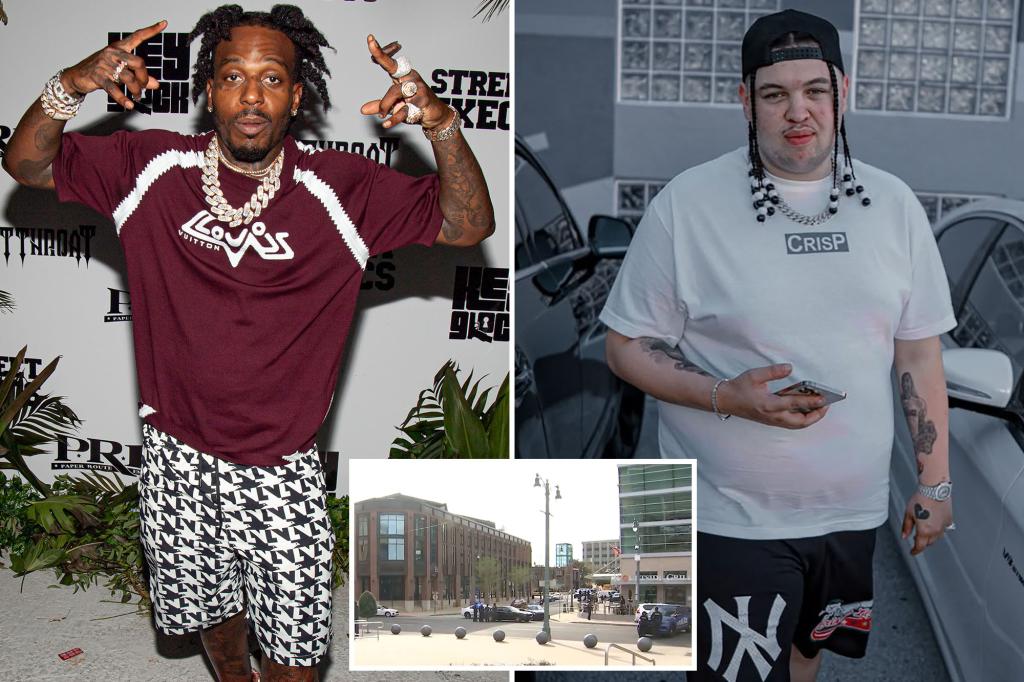
Rising Hip-Hop Star Sayso P Fatally Shot in Memphis: A Tragic Incident
In a shocking incident that has sent ripples through the music community, the rising hip-hop star Sayso P was fatally shot in Memphis. This targeted attack has not only claimed the life of a promising artist but has also left fellow rapper Sauce Walka with injuries. As the news unfolds, questions about safety in the music industry and the pervasive issues surrounding violence come to the forefront. This article delves into the circumstances surrounding the shooting, the implications for the hip-hop community, and the broader societal issues that contribute to such tragic events.
The Incident: What Happened?
On a fateful evening, Sayso P was involved in an altercation that escalated into a deadly shooting. Reports indicate that the attack was premeditated, targeting the young artist specifically. Witnesses described a chaotic scene as gunfire erupted, leaving many in shock and fear. Sauce Walka, a notable figure in the hip-hop scene, was also present during the incident and sustained injuries, rendering the event even more tragic.
This incident marks a significant loss for the hip-hop community, as Sayso P was gaining traction with his unique sound and engaging lyrics. His music resonated with fans, and many considered him a voice of a new generation. The suddenness of his death raises alarm bells about the safety of artists, particularly those who are still establishing their careers.
The Impact of Violence in the Music Industry
Violence in the music industry is not a new phenomenon; it has plagued various genres for decades. However, hip-hop has often found itself at the center of this issue. The culture surrounding hip-hop sometimes glorifies a lifestyle that can lead to violence, with rivalries and conflicts spilling over into real life.
- Rivalries: Many artists find themselves embroiled in rivalries that can turn deadly. The competitive nature of the industry, combined with personal disagreements, can lead to dangerous confrontations.
- Social Media Influence: In today’s digital age, social media can exacerbate conflicts. Public feuds and insults can escalate quickly, leading to real-world violence.
- Environmental Factors: Growing up in environments where violence is prevalent can influence artists’ perspectives and actions, perpetuating a cycle of violence.
Examining the Broader Issues
The fatal shooting of Sayso P raises broader questions about the factors contributing to violence in music. While the industry itself plays a role, societal issues cannot be ignored. Factors such as poverty, lack of opportunity, and systemic inequality often lead to environments where violence thrives.
Many artists come from backgrounds where they have faced significant challenges. These experiences often shape their music, which can reflect the harsh realities of their lives. However, as these artists gain fame and influence, the threats they face can increase, leading to tragic outcomes like the one we see with Sayso P.
Community Response and Support
The hip-hop community has rallied together in response to Sayso P’s tragic death. Fans, fellow artists, and industry professionals have taken to social media to express their condolences and to highlight the need for change within the industry. Events and forums discussing violence in hip-hop have emerged, aimed at addressing the root causes and finding solutions.
- Vigil Events: Many communities have organized vigils to honor Sayso P and other artists lost to violence, creating a space for healing and remembrance.
- Support Initiatives: Various organizations are stepping up to provide resources for artists, including mental health support and conflict resolution training.
- Advocacy for Change: There’s a growing movement advocating for safer environments for artists, pushing for systemic changes that address the socio-economic issues contributing to violence.
The Role of Fans and the Industry
As fans, we also play a crucial role in shaping the culture of hip-hop. Supporting artists who promote positive messages and community engagement can help shift the narrative away from violence. The industry must also take responsibility, ensuring that artists feel safe and protected as they navigate their careers. This includes:
- Implementing Safety Protocols: Venues and promoters should prioritize safety measures to protect artists and fans alike.
- Fostering Positive Narratives: Encouraging artists to share uplifting stories and experiences can help counteract the glorification of violence.
- Community Engagement: Artists can engage with their communities through outreach programs that promote peace and understanding.
A Call to Action
The tragic loss of Sayso P serves as a wake-up call for the hip-hop community and society at large. It is imperative that we come together to address the underlying issues that lead to violence. Artists, fans, and industry professionals must collaborate to create a safer and more supportive environment for all.
As we mourn the loss of a talented individual and reflect on the implications of this targeted attack, let us also strive for change. The legacy of Sayso P can live on through our efforts to combat violence and promote peace within the music industry. By fostering a culture of support and understanding, we can honor his memory and the memories of countless others affected by similar tragedies.
Conclusion: Moving Forward
In conclusion, the fatal shooting of Sayso P in Memphis highlights significant issues within the hip-hop community and society. While we grapple with the loss of a rising star, it is essential to engage in meaningful conversations about safety, violence, and the factors that contribute to such tragedies. Through collective action and a commitment to change, we can work towards a future where artists can thrive without the constant threat of violence. Let us remember Sayso P not just for his music but as a symbol of the potential for change within the industry.
See more CNET Live