
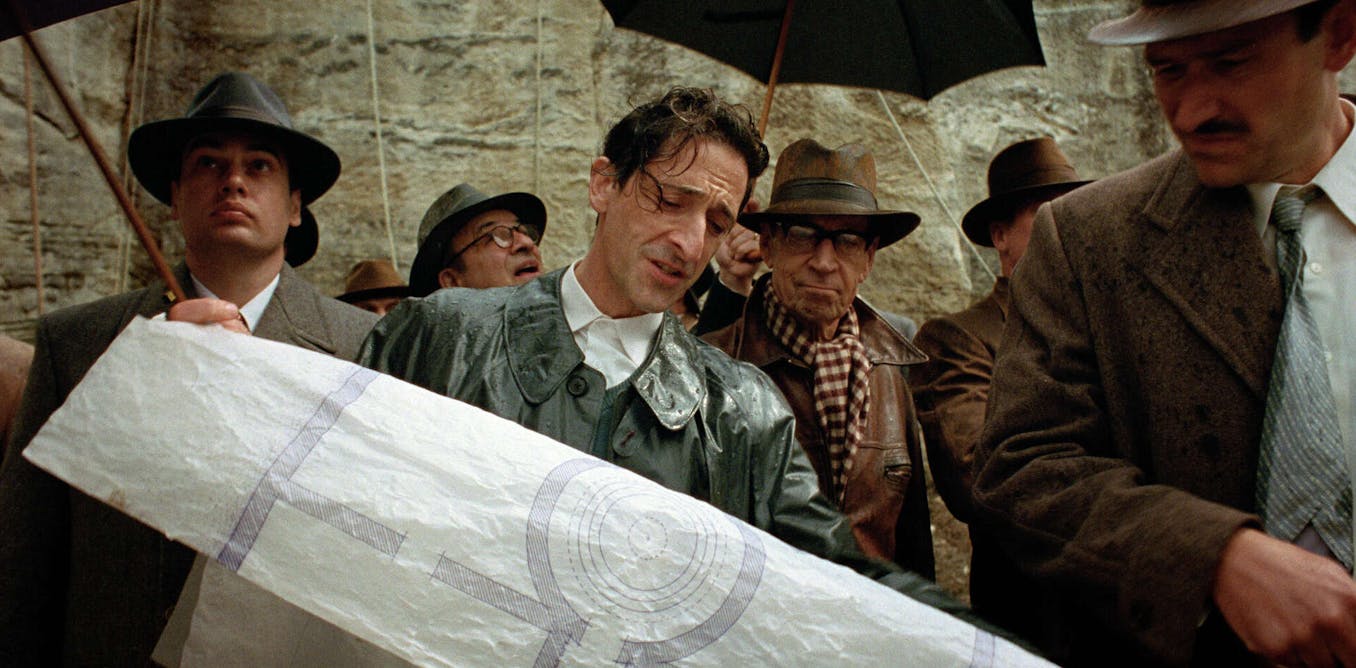
Unveiling the Art of Authenticity: How Oscar-Nominated Screenwriters Perfect Dialogue and Dialects
The craft of screenwriting is a delicate balance of creativity, technique, and authenticity, especially when it comes to dialogue and dialects. Oscar-nominated screenwriters have mastered this art, weaving words that resonate deeply with audiences and breathe life into the characters they create. This article delves into the intricate world of these talented individuals, exploring their techniques, challenges, and the secrets behind crafting dialogue that feels genuine and relatable.
The Essence of Authentic Dialogue
At the heart of every compelling screenplay lies authentic dialogue. But what makes dialogue authentic? It’s not just about what characters say; it’s about how they say it. Oscar-nominated screenwriters emphasize the importance of understanding their characters’ backgrounds, motivations, and emotions. Authenticity in dialogue means capturing the unique voice of each character, ensuring that their words reflect their experiences and perspectives.
Here are some key elements that contribute to authentic dialogue:
- Character Voice: Each character should have a distinctive voice. This involves not only their choice of words but also their rhythm, tone, and emotional undertones.
- Realism: Dialogue needs to sound realistic. Writers often draw from real conversations, observing how people speak in various contexts to replicate that in their scripts.
- Subtext: Authentic dialogue often operates beneath the surface. Characters may say one thing while meaning another, adding depth and complexity to their interactions.
- Context: The setting and situation influence how characters communicate. Writers must consider cultural and situational contexts to ensure authenticity.
The Challenge of Dialects and Accents
One of the most daunting challenges for screenwriters is accurately portraying diverse dialects and accents. Oscar-nominated screenwriters understand that dialects are not merely a matter of pronunciation; they encapsulate cultural identity, history, and social nuances. Failing to represent these elements authentically can lead to stereotypes or misrepresentations.
To tackle these challenges, screenwriters often employ several strategies:
- Extensive Research: Writers immerse themselves in the culture and community they wish to portray. This includes studying the history, social dynamics, and linguistic patterns of the dialect.
- Consultation with Experts: Many screenwriters collaborate with linguists or dialect coaches who can provide insights and feedback on the authentic use of language.
- Recording Real Conversations: By listening to native speakers in various settings, writers can capture the nuances and authenticity of dialects.
Crafting Dialogue That Resonates
Creating dialogue that resonates with audiences is an art form in itself. Oscar-nominated screenwriters often emphasize the importance of emotional truth in their writing. Here are some methods they use to ensure their dialogue strikes a chord:
- Emotional Connection: Writers focus on the emotional stakes of their characters. Dialogue should reflect their desires, fears, and conflicts, making it relatable to the audience.
- Conciseness: Effective dialogue often avoids unnecessary words. Brevity can enhance impact, allowing key messages to resonate more clearly.
- Conflict and Tension: Dialogue is a powerful tool for showcasing conflict. Writers craft exchanges that reveal underlying tensions, keeping audiences engaged.
Techniques for Perfecting Dialogue
Many Oscar-nominated screenwriters have developed specific techniques for perfecting dialogue and dialects. Here are some of their tried-and-true methods:
- Read Aloud: Hearing the dialogue spoken can help writers identify awkward phrasing or unnatural rhythms. This practice is essential for ensuring the dialogue sounds authentic when performed.
- Workshopping with Actors: Collaborating with actors during the writing process can provide valuable insights. Actors often bring their interpretations to the table, helping writers refine dialogue to better suit performance.
- Iterative Writing: Screenwriters often go through multiple drafts, refining dialogue with each iteration. This process allows them to hone in on the emotions and authenticity they wish to convey.
The Importance of Diversity in Voices
In today’s film industry, the representation of diverse voices is more crucial than ever. Oscar-nominated screenwriters are increasingly aware of the power of inclusivity in their work. They strive to tell stories that reflect the richness of human experience through varied cultural perspectives.
To ensure diversity in dialogue and dialects, writers consider the following:
- Collaboration with Diverse Voices: Including writers from different backgrounds can enrich the storytelling process, leading to more authentic representations.
- Focus on Intersectionality: Recognizing that individuals possess multiple identities can deepen character development and dialogue, making it more nuanced and relatable.
- Listening to Communities: Engaging with the communities being portrayed helps screenwriters understand their realities, ensuring respectful and accurate representation.
Conclusion: The Ongoing Journey of Authenticity
The art of crafting authentic dialogue and dialects is a continuous journey for Oscar-nominated screenwriters. It requires dedication, empathy, and an unwavering commitment to truth. By understanding their characters deeply, conducting thorough research, and engaging with diverse voices, these writers create scripts that not only entertain but also resonate profoundly with audiences. Authenticity in dialogue is not just a goal; it is a vital aspect of storytelling that brings characters to life and connects them with viewers on a personal level.
As audiences become more discerning and demand richer, more authentic narratives, the role of screenwriters in shaping dialogue will only grow in significance. The art of authenticity will remain a cornerstone of impactful storytelling in cinema, bridging gaps between cultures and experiences, and ultimately enriching the film landscape for generations to come.
See more CNET Live