
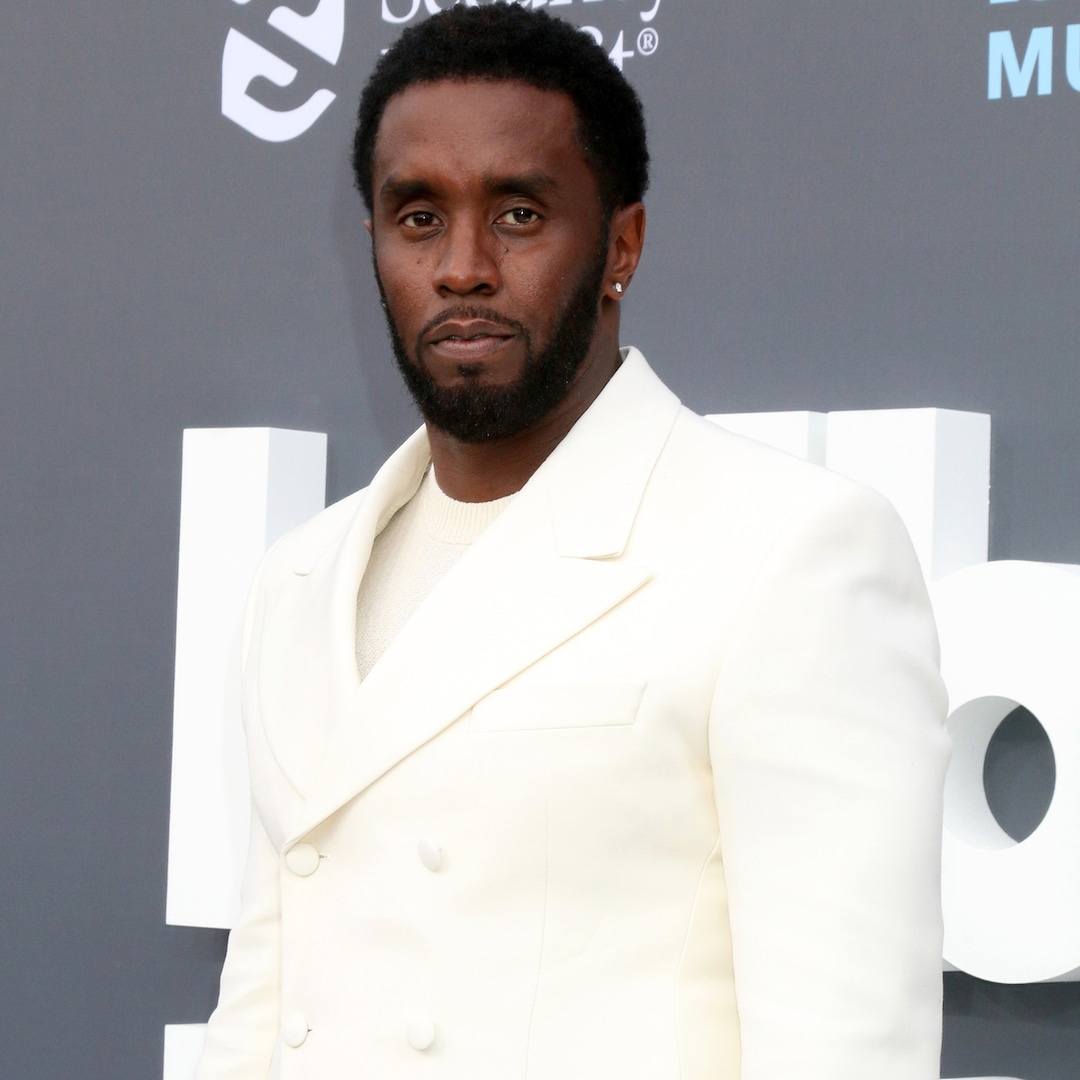
Sean “Diddy” Combs Takes on NBC: Inside the $100 Million Lawsuit Over Peacock Documentary
In a dramatic turn of events, music mogul Sean “Diddy” Combs has initiated a colossal $100 million lawsuit against NBC, igniting discussions about celebrity rights and corporate accountability. This legal action stems from a documentary aired on the streaming platform Peacock, which Diddy claims misrepresents his life and career, thereby damaging his reputation and brand. The implications of this lawsuit extend far beyond the courtroom, stirring debates on the ethics of media representation, the responsibilities of networks, and the boundaries between artistic expression and personal privacy.
Background of the Controversial Documentary
The documentary in question, produced for NBC’s Peacock, aimed to delve into the life of Sean Combs, a prominent figure in the music industry known for his influential role as a producer, rapper, and entrepreneur. While documentaries often seek to provide an unfiltered look at their subjects, this particular film has faced criticism from Diddy for allegedly containing inaccuracies and sensationalized narratives.
Diddy has asserted that the documentary portrays events and aspects of his life that are misleading or outright false. He argues that such misrepresentations not only tarnish his public image but also impact his business ventures, including his music label and various endorsements. In the age of social media, where public perception can be shaped in an instant, the consequences of a flawed documentary can be profound and far-reaching.
The Legal Grounds for the Lawsuit
Sean Combs’ lawsuit against NBC is anchored in several legal claims, primarily focusing on defamation, invasion of privacy, and intentional infliction of emotional distress. Each of these claims addresses different facets of his grievance:
- Defamation: Diddy contends that the documentary contains false statements that have harmed his reputation. In legal terms, defamation involves making untrue statements that can damage a person’s reputation, particularly when they pertain to their professional life.
- Invasion of Privacy: The lawsuit also raises questions about how far documentary filmmakers can go in their quest for storytelling. Diddy argues that certain aspects of his private life were exploited without consent.
- Intentional Infliction of Emotional Distress: By allegedly presenting him in a false light, the documentary has purportedly caused Diddy significant emotional harm.
The lawsuit seeks a staggering $100 million in damages, a figure that reflects not only the financial implications of the alleged defamation but also the potential long-term effects on his career and personal well-being.
The Broader Implications of the Case
This lawsuit raises critical questions about the relationship between celebrities and the media. As public figures, celebrities often navigate a complex landscape where their lives are subject to scrutiny. However, this case emphasizes the need for responsible journalism and the ethical considerations that should govern documentary filmmaking.
Some key implications of the lawsuit include:
- Media Responsibility: The case spotlights the responsibilities that media organizations have when producing content about real people. It calls for greater accountability in ensuring that narratives are accurate and respectful.
- Celebrity Rights: This lawsuit could set a precedent regarding how celebrities can protect their images and narratives in an era where misinformation can spread rapidly.
- Art vs. Privacy: Balancing artistic freedom with respect for individual privacy is a continual struggle in the media landscape. This case may prompt further discussion on where the line should be drawn.
Public Reaction and Industry Impact
The public’s response to Diddy’s lawsuit has been mixed. Supporters laud him for taking a stand against what they perceive as media overreach, while others question whether such legal actions could hinder creative expression in the documentary genre. This debate is particularly relevant in a time when the demand for streaming content is at an all-time high, and networks may feel pressured to produce engaging material, sometimes at the expense of accuracy.
Furthermore, this lawsuit may have ripple effects throughout the industry, prompting other celebrities to consider their own legal options when faced with potentially harmful portrayals. The outcome could lead to a shift in how networks approach documentary storytelling, possibly resulting in stricter guidelines and more thorough fact-checking processes.
What’s Next for Diddy and NBC?
As the legal battle unfolds, both parties will likely engage in extensive pre-trial procedures, which may include depositions, evidence gathering, and the exploration of settlement options. Diddy’s legal team will need to present compelling evidence to support their claims, while NBC will defend its journalistic practices and the integrity of its programming.
In the broader context, this lawsuit may influence how future documentaries are produced, particularly those that focus on living individuals. The stakes are high, as the outcome could redefine the boundaries of creative license in documentary filmmaking.
Conclusion
Sean “Diddy” Combs’ $100 million lawsuit against NBC over the Peacock documentary is more than just a personal dispute; it represents a pivotal moment in the ongoing conversation about media ethics, celebrity rights, and the responsibilities that come with storytelling. As the case progresses, it will undoubtedly capture the attention of both the legal community and the general public, serving as a reminder of the delicate balance between artistic expression and personal integrity. In a world where narratives can shape public perception overnight, the implications of this lawsuit will resonate far beyond the courtroom, influencing future media practices and celebrity engagements with the press.
Ultimately, this case may encourage a more thoughtful approach to how stories are told, ensuring that respect for individuals remains at the forefront of documentary filmmaking.
See more CNET Live