
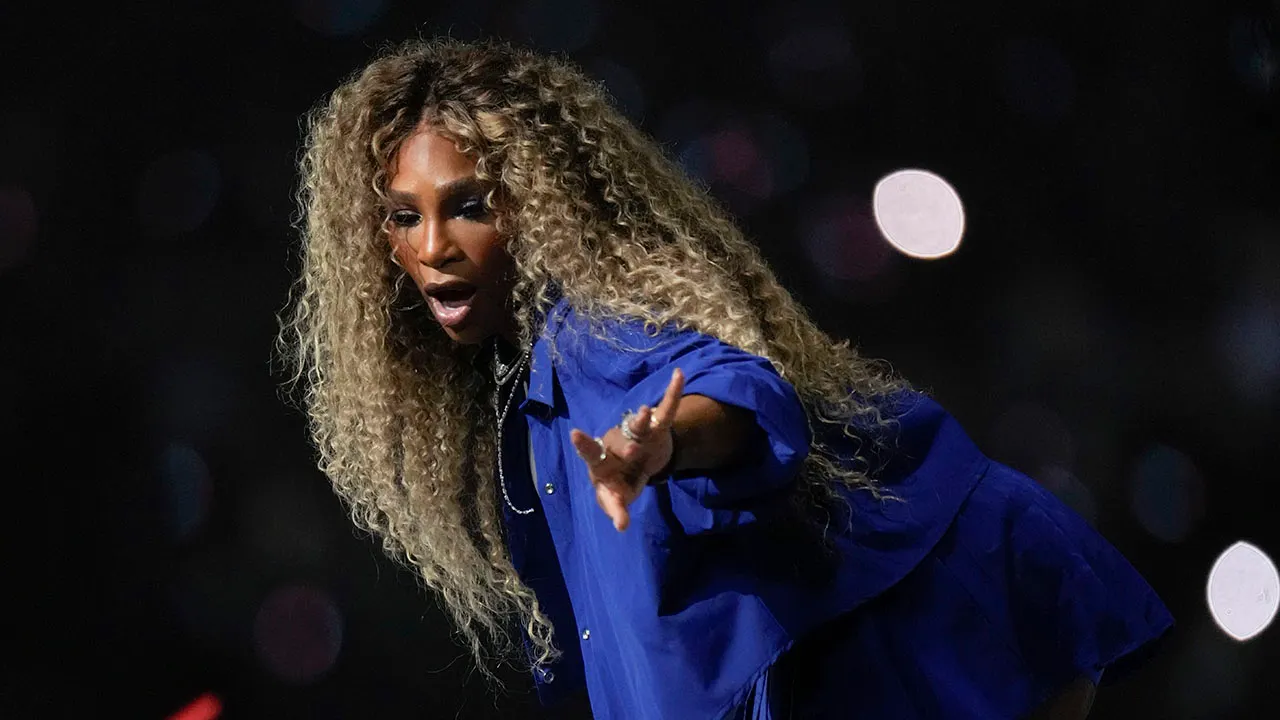
Serena Williams Addresses Super Bowl LIX Halftime Show Controversy: ‘End of Story’
In a world where celebrity involvement in significant events can evoke strong public opinion, Serena Williams recently found herself at the center of a heated discussion regarding her participation in the Super Bowl LIX halftime show. In a candid statement, she addressed the backlash, confidently asserting, “end of story.” This statement not only signifies her determination to stand firm amidst criticism but also invites a broader conversation about the pressures celebrities face and the expectations placed upon them by the public.
The Context of the Controversy
The Super Bowl halftime show has long been a platform for artistic expression and cultural commentary, often drawing in millions of viewers from around the globe. When Williams announced her participation, excitement surged among fans and critics alike. However, the tone quickly shifted as discussions around her involvement began to surface. Critics argued that her presence might overshadow the talents of other performers or that she was not the appropriate choice for such a prestigious event.
In the age of social media, the immediacy of public opinion can be overwhelming. Celebrities like Williams often find themselves scrutinized under a microscope, where every choice is dissected and debated. Williams’s statement, “end of story,” was a powerful declaration that encapsulated her stance on the matter. It suggests a refusal to engage further with negativity while underscoring the importance of self-advocacy in the face of public pressure.
Understanding Public Expectations
The scrutiny faced by celebrities highlights an essential aspect of fame: the constant balancing act between public expectation and personal choice. Williams, an icon in the world of sports and fashion, has always been a trailblazer, using her platform to advocate for various causes. However, this same visibility can lead to unfair criticism when her decisions do not align with popular opinion.
- Artistic Freedom: Celebrities often aim to express themselves artistically, and participation in events like the Super Bowl halftime show is a chance to showcase that creativity.
- Role Models: Public figures are frequently viewed as role models, which can create additional pressures to conform to societal expectations.
- Personal Choice: Ultimately, celebrities should have the autonomy to make decisions that resonate with their personal beliefs and career goals.
Williams’s response serves as a reminder that celebrities are not merely entertainers; they are individuals with their own beliefs and aspirations. Her statement reflects a desire to reclaim her narrative, asserting that her participation is valid and meaningful, regardless of public opinion.
The Burden of Celebrity
Being in the public eye comes with immense pressure. Celebrities are often expected to conform to an idealized version of themselves, which can stifle authentic expression. Williams’s bold declaration can be viewed as a rejection of these constraints. She embodies a generation of public figures who are increasingly vocal about their rights to choose their paths without external judgment.
Moreover, this incident opens the door to discussions about the mental health of celebrities. The constant scrutiny can lead to anxiety and depression, forcing many to retreat from public engagements. Williams’s assertion that this discussion should come to an end is an invitation for fans and critics alike to reconsider how they engage with public figures. Instead of relentless criticism, perhaps a more supportive approach could foster healthier relationships between celebrities and their audiences.
Insights from Other Celebrities
Williams is not alone in facing backlash for her choices. Other prominent figures, such as Beyoncé, Taylor Swift, and even sports legends like Michael Jordan, have dealt with public scrutiny regarding their professional decisions. Their experiences reflect a common theme: the struggle to maintain authenticity while navigating the demands of fame.
For instance, Beyoncé has faced criticism for her political statements during performances, yet she has remained steadfast in using her platform to address social issues. Similarly, Taylor Swift has often spoken out against media portrayals of her and has taken control of her narrative through her music. Such actions exemplify how high-profile figures can use their experiences to inspire others to stand up for themselves.
The Role of Media in Shaping Public Perception
The media plays a crucial role in influencing public perception of celebrities. Sensational headlines and clickbait articles often prioritize controversy over context, leading to misinterpretations of a celebrity’s actions. In light of this, Williams’s statement can be seen not just as a personal defense but also as a challenge to media narratives that thrive on drama rather than understanding.
As consumers of media, it is vital to approach celebrity news with a discerning eye. Recognizing the complex realities behind the glitz and glamour can foster a more empathetic view of public figures. In turn, this may reduce the pressure they face to conform to public expectations.
The Takeaway
Serena Williams’s assertion of “end of story” following the backlash surrounding her participation in the Super Bowl LIX halftime show encapsulates a broader conversation about celebrity culture, public expectations, and personal choice. It serves as a potent reminder that public figures are entitled to their decisions, regardless of popular opinion.
As discussions continue about the pressures of celebrity and the expectations placed upon them, Williams’s response invites us to reflect on our roles as consumers of media and supporters of artists. By fostering a culture of understanding and respect, we can help alleviate the burdens faced by those in the spotlight, allowing them to express themselves freely and authentically.
In conclusion, the world of celebrity is complex and often fraught with challenges. However, Serena Williams’s resolute stand against public criticism is a powerful testament to the importance of self-advocacy and personal choice in navigating the intricate landscape of fame. Ultimately, her message resonates beyond the Super Bowl, encouraging all individuals to live authentically, regardless of external pressures.
See more CNET Live