
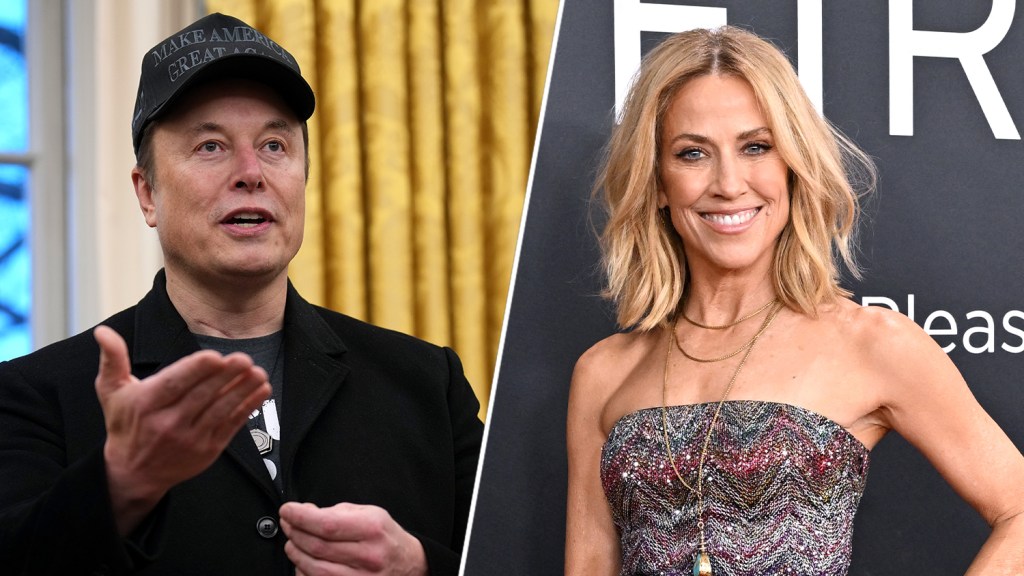
In a surprising turn of events, renowned singer-songwriter Sheryl Crow has made headlines by selling her shares in Tesla, the electric vehicle company founded by Elon Musk, to provide financial support for National Public Radio (NPR). This bold move comes amidst rising concerns regarding Musk’s influence on public media and the direction of NPR under his presidency. Crow’s action raises intriguing questions about the intersection of celebrity influence, corporate responsibility, and the role of public media in today’s society.
Understanding the Context: Musk’s Influence on Public Media
Elon Musk, known for his innovative contributions to technology and transportation, has become a polarizing figure, particularly after acquiring Twitter (now X). His leadership has led to significant changes in how media is consumed and produced, particularly concerning the spread of information and misinformation. As a result, many public figures, including Crow, have expressed concerns about the potential consequences of Musk’s ownership on public discourse.
The implications of Musk’s decisions extend beyond social media. NPR, a trusted source of news and culture, has been at the forefront of public broadcasting for decades. With Musk’s controversial reputation, some worry about the future of unbiased reporting and the journalistic integrity of platforms like NPR.
Sheryl Crow: A Voice for Change
Sheryl Crow has long been an advocate for various social and environmental causes. Known for her hits like “All I Wanna Do” and “If It Makes You Happy,” Crow’s career has often intersected with activism. Her decision to sell her Tesla shares is not just a financial transaction; it symbolizes her commitment to preserving and supporting public media amid troubling times.
By reallocating her resources, Crow is making a statement about the power of individual action in the face of corporate influence. This move highlights how celebrities can leverage their positions to effect change, especially when they feel that the values of a corporation conflict with their principles.
While the sale of Tesla shares might seem like a personal financial decision, it carries broader implications. Tesla has been at the forefront of the electric vehicle revolution, promoting sustainability and reducing carbon footprints. Crow’s choice to divest could hint at a larger discontent with the company’s direction under Musk’s leadership.
- Financial Implications: Selling shares in a high-performing company like Tesla can be a significant financial decision. Crow’s move could signify a shift in investor sentiment among those who prioritize ethical considerations over profit.
- Activism and Responsibility: By directing funds toward NPR, Crow emphasizes the importance of supporting independent journalism, especially as misinformation becomes rampant in the digital age.
- Celebrity Influence: Crow’s decision serves as a reminder of how celebrities can impact public opinion and inspire action among their followers.
The Future of NPR: Challenges and Opportunities
NPR has been a bastion of public broadcasting, known for its in-depth reporting and cultural programming. However, the organization faces numerous challenges, particularly in funding and maintaining independence from corporate influence. Crow’s support could help bolster NPR’s efforts to provide quality journalism without compromising its ethical standards.
Moreover, this situation prompts NPR to consider how it can adapt to changing media landscapes while staying true to its mission. Crow’s financial contribution might facilitate new programming initiatives, enhance digital offerings, or support investigative journalism that holds powerful entities accountable.
Public Reactions: Divided Opinions
Crow’s decision has sparked a range of reactions from the public and her fanbase. Some praise her for taking a stand, while others question the effectiveness of selling shares as a means of enacting change. This divide underscores the complexity of activism in the modern age, where social media amplifies voices but also creates echo chambers.
- Supporters: Many fans have lauded Crow for her courage and commitment to public media. They see her actions as a model for how individuals can push back against corporate interests.
- Critics: Others argue that selling shares might not be the most effective way to support NPR. Some believe that engaging in dialogue with corporations could lead to more sustainable change.
The Broader Implications of Celebrity Activism
Sheryl Crow’s bold move reflects a growing trend where celebrities use their platforms and financial resources to advocate for causes they believe in. This phenomenon raises essential questions about the role of public figures in activism:
- Influence vs. Responsibility: Celebrities have the power to influence public opinion and drive change. However, with this influence comes a responsibility to engage thoughtfully with complex issues.
- Consumer Choices: Crow’s decision might inspire others to reconsider their investments and consumer habits, encouraging a more ethical approach to capitalism.
- Public Discourse: The intersection of celebrity and activism can stimulate conversations around important social issues, drawing attention to causes that require urgent action.
Conclusion: A Call to Action
Sheryl Crow’s decision to sell her Tesla shares to support NPR is a testament to the power of individual action in a landscape dominated by corporate interests. As she navigates the complexities of celebrity activism, Crow reminds us that we all have a role to play in shaping the future of public media and ensuring that it remains a reliable source of information for generations to come.
This bold move encourages us to reflect on our values and the companies we choose to support. In a time when misinformation is rampant and public trust in media is wavering, Crow’s action serves as a clarion call for others to consider how they can contribute to a more informed and just society. Ultimately, it’s about leveraging influence for the greater good—a principle that resonates with us all.
See more CNET Live