
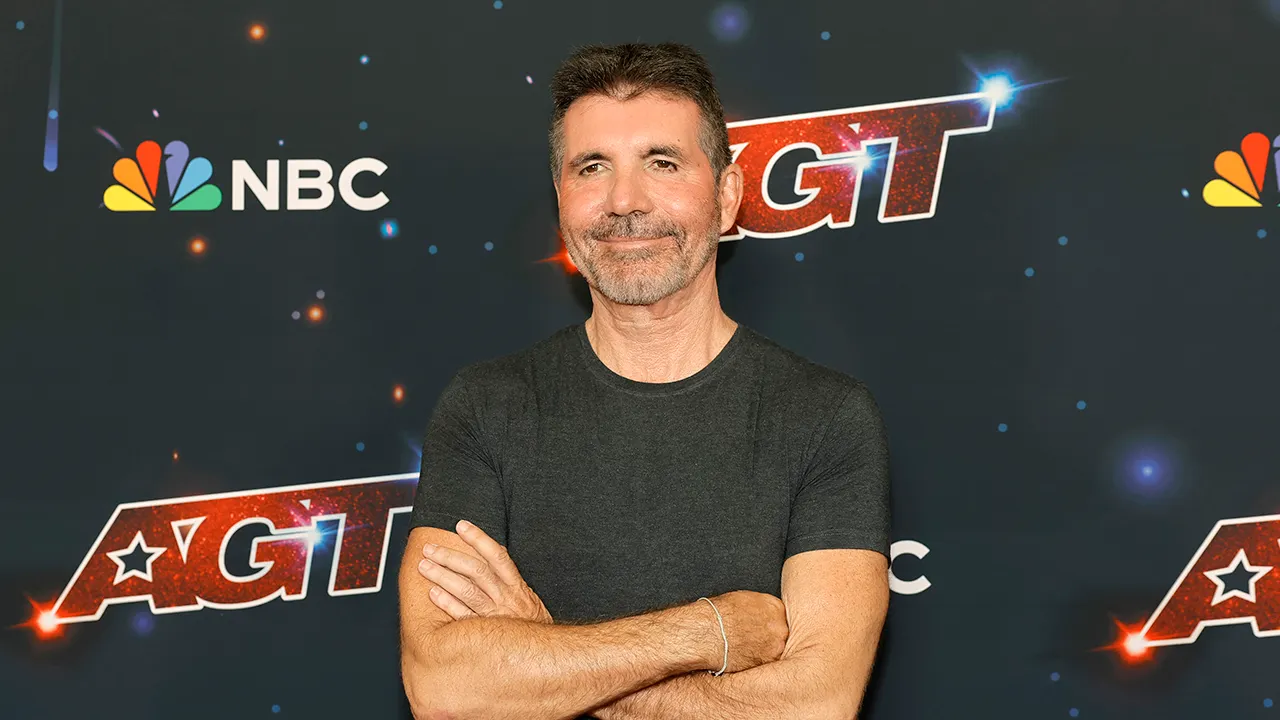
Simon Cowell Sounds Alarm on AI’s Threat to Creative Talent
In a striking declaration that reverberates across the entertainment industry, Simon Cowell, the renowned music producer and television personality, has voiced his concerns regarding the rising influence of artificial intelligence (AI) on creative talent. As technology continues to evolve at a breakneck pace, Cowell questions the potential ramifications for artists and the authenticity of talent in a world increasingly dominated by algorithms and machine-generated content.
The Intersection of AI and Creativity
Artificial intelligence has made significant inroads into various sectors, from healthcare to finance, but its impact on the creative arts is particularly complex. While AI can generate music, art, and even literature, the question remains: can it truly replicate the nuances of human creativity? Cowell’s alarm bells resonate with the broader debate about the role of machines in artistic expression.
Many industry experts argue that AI can serve as a powerful tool for artists, enhancing their creative capabilities rather than replacing them. For example, AI can analyze trends, suggest melodies, and even assist in the production process. However, the fear is that as AI technologies become more sophisticated, they may overshadow human talent. Cowell’s statement serves as a reminder that while AI can augment creativity, it should not replace the emotional depth and personal experiences that define true artistry.
Authenticity in Artistry
One of Cowell’s primary concerns is the potential erosion of authenticity in the music and entertainment industries. Authenticity has always been a cornerstone of artistic expression, whether in music, film, or literature. Cowell points out that audiences connect with artists not just for their talent but for their stories, struggles, and unique perspectives. As AI-generated content becomes more prevalent, the risk is that the authenticity of human experiences may be lost.
Consider the rise of AI-generated music platforms, which can create songs in the style of popular artists. These platforms may produce catchy tunes, but they often lack the emotional resonance that comes from a songwriter’s personal journey. Cowell fears that if audiences begin to favor AI-generated content over human-created art, it could lead to a homogenization of music and a decline in the appreciation for true talent.
The Role of AI in the Music Industry
AI is already making waves in the music industry. From algorithm-driven playlists on streaming services to AI-assisted songwriting tools, technology is reshaping how music is created, distributed, and consumed. While these advancements offer exciting opportunities for artists, they also raise important questions about the future of creativity.
- Personalization: AI algorithms analyze listener preferences to curate personalized playlists, helping users discover new artists.
- Songwriting Assistance: Tools like Amper Music and AIVA allow musicians to create compositions with the help of AI, streamlining the creative process.
- Automated Production: AI can optimize sound engineering, making it easier for emerging artists to produce high-quality music without the need for expensive studio time.
While these advancements democratize music production, they also pose challenges. The question arises: how much of the final product is genuinely reflective of human creativity? As the lines blur between human and machine-generated content, the industry must grapple with the implications for artistic integrity.
Cowell’s Vision for the Future
Despite his concerns, Simon Cowell remains optimistic about the future of creativity in the face of AI. He believes that technology can coexist with human talent and that artists should embrace AI as a collaborative partner rather than a competitor. By leveraging AI’s capabilities, artists can enhance their creative processes while maintaining the core elements that make their work authentic.
Cowell envisions a future where artists harness AI to push the boundaries of their creativity. For instance, musicians might use AI to explore new genres or experiment with unconventional sounds, all while infusing their unique perspectives into the music. This collaborative approach could lead to a renaissance of creativity, where human emotion and technological innovation intersect.
Education and Adaptation
To thrive in an AI-driven landscape, artists must adapt to the changing environment. This adaptation involves not only embracing new technologies but also understanding their implications for creative expression. Cowell emphasizes the importance of education in this regard. Artists, producers, and industry professionals should be equipped with the skills to navigate the evolving relationship between AI and creativity.
Educational programs focused on the intersection of technology and the arts can empower the next generation of creators. By fostering an understanding of AI’s capabilities and limitations, artists can leverage technology to enhance their work while remaining true to their artistic vision.
Conclusion: A Call for Balance
Simon Cowell’s alarm about AI’s threat to creative talent is a crucial conversation that the entertainment industry must engage in. As technology continues to advance, it is essential to strike a balance between embracing innovation and preserving the authenticity of artistic expression. Artists should view AI as a tool to enhance their creativity, not as a replacement for their unique voices.
Ultimately, the future of creativity lies in collaboration—between humans and machines, between tradition and innovation. By fostering an environment that values both technological advancements and the emotional depth of human artistry, the industry can navigate the challenges posed by AI and emerge stronger than ever. As Cowell suggests, the key is to remain vigilant, adaptable, and committed to preserving the authenticity that defines what it means to be truly creative.
See more CNET Live