
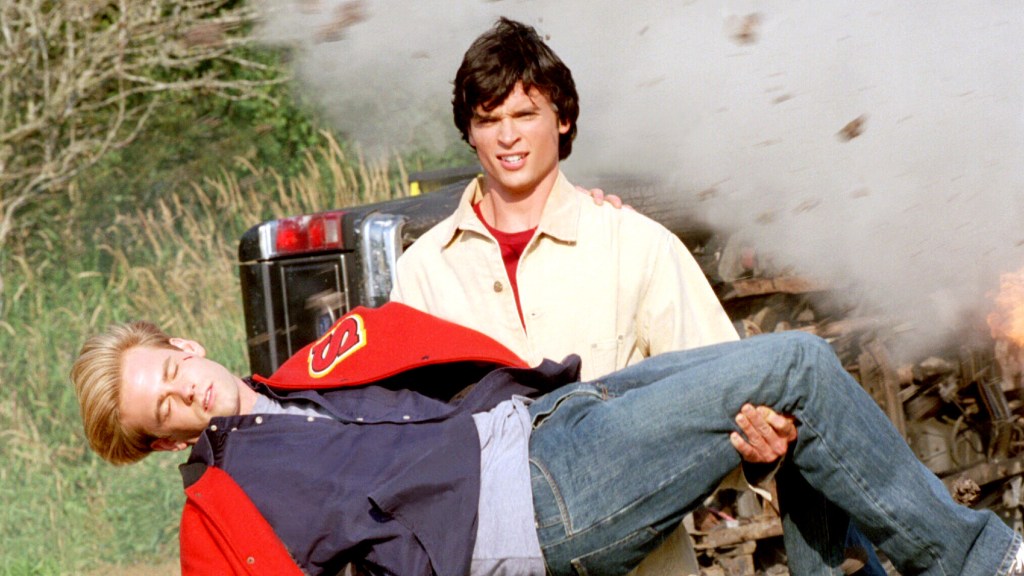
Warner Bros. Shift: The Impact on the Future of the ‘Smallville’ Animated Sequel
The recent announcement from the co-creator of ‘Smallville’ has sent ripples through the fan community. Plans for an animated sequel series have been put on hold due to a significant regime change at Warner Bros. This development has sparked discussions about the future of beloved franchises and the broader implications for the entertainment industry. As we delve into what this shift means for ‘Smallville’ and similar projects, it’s essential to consider the evolving landscape of media production, audience expectations, and the strategic decisions of major studios.
The State of ‘Smallville’ and Its Fandom
‘Smallville’ aired from 2001 to 2011, capturing the hearts of fans with its unique take on the Superman mythos. The series explored the formative years of Clark Kent, intertwining themes of friendship, love, and personal growth with classic superhero elements. Over the years, the show has maintained a dedicated fanbase, with many eager for a continuation of the story, particularly in an animated format. The potential for an animated sequel was seen as a chance to reconnect with the show’s legacy while attracting new audiences.
What Led to the Regime Change at Warner Bros.?
The entertainment industry is in a constant state of flux, and Warner Bros. has not been immune to this reality. Recent changes in leadership often stem from shifting market dynamics, audience preferences, and the need for studios to adapt to new technologies and distribution methods. The rise of streaming platforms has forced traditional media companies to reevaluate their strategies, leading to significant shifts in their organizational structures.
As Warner Bros. undergoes this transformation, many projects are being reassessed. The halt of the ‘Smallville’ animated sequel is a reflection of this broader trend, where new executives are taking time to evaluate existing projects and align them with the company’s evolving vision. It’s a moment of uncertainty but also one of opportunity.
The Future of the ‘Smallville’ Animated Sequel
With the plans for the animated sequel temporarily on hold, fans are left wondering about the future of the franchise. Several questions arise:
- Will the animated sequel resume development? The answer largely depends on the new leadership’s vision and priorities. If they see value in reviving the franchise, there may be a path forward.
- What changes might be made to the original concept? New executives may bring fresh ideas or shifts in tone, potentially altering the project significantly.
- How will this affect the fanbase? The reactions from fans can be varied, with some expressing disappointment and others remaining hopeful for a revitalized project.
Understanding the Impact on Franchise Development
The delay of the ‘Smallville’ animated sequel highlights a broader trend in franchise development. Major studios are increasingly cautious about investing in projects that may not guarantee a return. As a result, franchises like ‘Smallville’ must navigate a complex landscape.
The Role of Nostalgia in Modern Entertainment
Nostalgia plays a significant role in audience engagement, particularly for franchises that have established a loyal following. ‘Smallville’ exemplifies this phenomenon, as its fans have grown up with the series and often seek ways to reconnect with its characters and stories. Animated sequels and spin-offs can serve as a bridge between past and present, tapping into the emotional investment of long-time fans while attracting new viewers.
However, the challenge lies in balancing nostalgia with innovation. As studios seek to appeal to broader audiences, they must consider how to modernize beloved stories without alienating existing fans. The future of the ‘Smallville’ animated sequel will need to strike this delicate balance, ensuring that it resonates with both veteran viewers and newcomers alike.
The Importance of Audience Feedback
With the rise of social media, audience feedback has never been more accessible. Fans of ‘Smallville’ have been vocal about their desires for a sequel, and studios are increasingly taking this feedback into account when making decisions. The success of any future project will likely depend on the studio’s ability to engage with its audience and incorporate their input into the development process.
Exploring Alternative Avenues for ‘Smallville’ Content
While the animated sequel may be on hold, there are other avenues that Warner Bros. could explore to keep the ‘Smallville’ legacy alive. Some possibilities include:
- Comic Book Series: Expanding the story through comics could offer fans new adventures while maintaining the original series’ essence.
- Merchandising: Reviving ‘Smallville’ through merchandise could rekindle interest in the franchise, creating buzz for potential future projects.
- Fan Events: Hosting reunions or conventions could engage the fanbase directly and generate excitement for any upcoming content.
Conclusion: A Time for Patience and Hope
As we reflect on the Warner Bros. shift and its impact on the ‘Smallville’ animated sequel, it’s clear that the entertainment landscape is evolving. While uncertainty may be prevalent, it’s essential to remain hopeful. The legacy of ‘Smallville’ is rich and vibrant, and its potential for revival is still alive.
Fans must continue to express their passion for the franchise, as their voice can influence the direction of future projects. In the meantime, the industry will continue to adapt, and with it, the opportunities for ‘Smallville’ and similar franchises may emerge anew. Whether through animation, comics, or other media, the spirit of ‘Smallville’ endures, and its future remains a canvas waiting to be painted.
See more CNET Live