
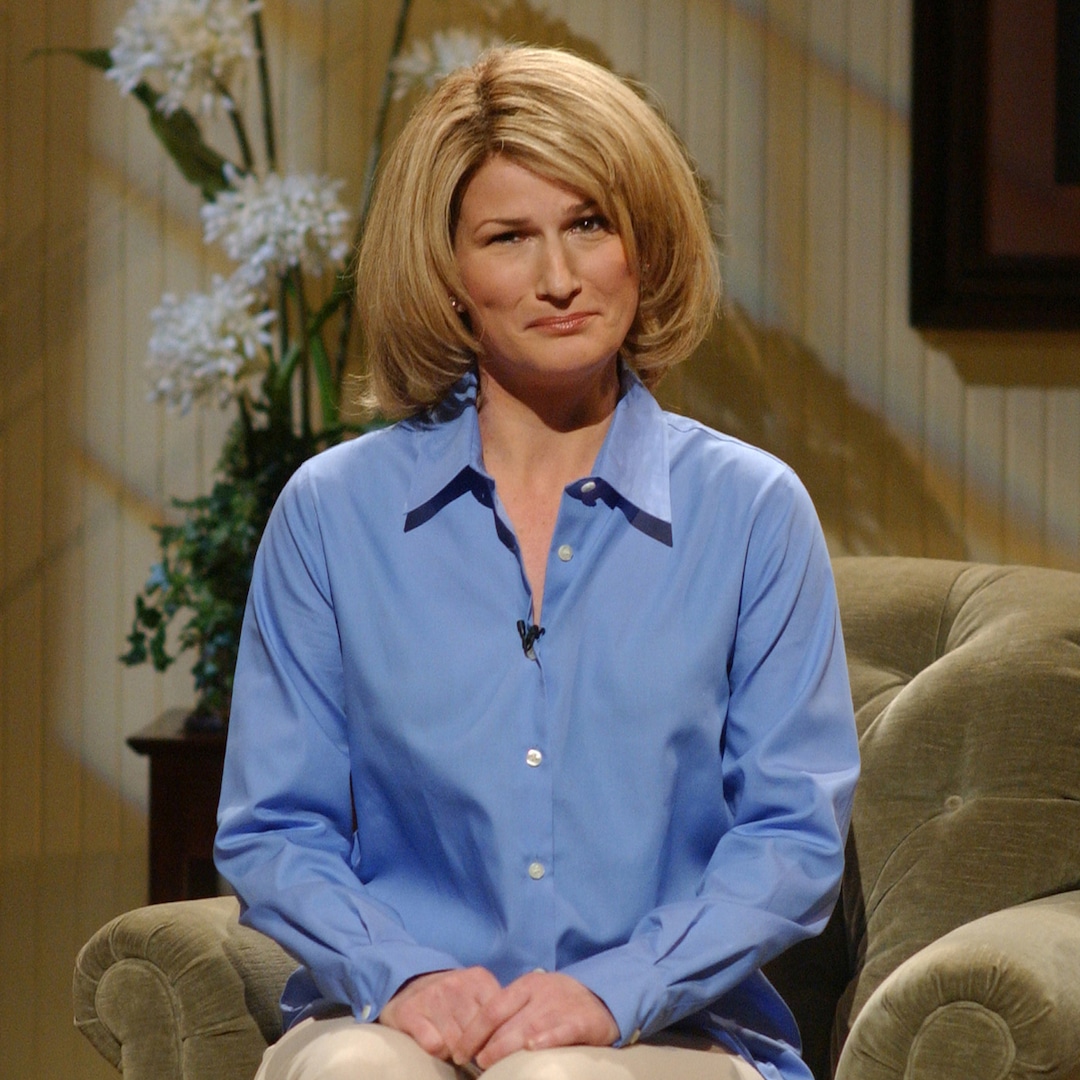
Behind the Laughter: How SNL Impersonations Spark Celebrity Reactions
As Saturday Night Live (SNL) celebrates its rich legacy of 50 years in comedy, the show continues to deliver sharp and often hilarious impersonations of celebrities, politicians, and public figures. These impersonations not only entertain audiences but also elicit a wide range of reactions from the very people being portrayed. In this article, we delve into the stories behind the laughter, exploring how SNL’s unique blend of satire impacts public perception and garners celebrity responses.
The Art of Impersonation on SNL
Impersonation is a cornerstone of SNL’s comedic style, allowing cast members to channel the essence of notable figures. From the iconic portrayals of presidents to the more whimsical interpretations of pop stars, SNL has mastered the art of capturing both the mannerisms and the quirks of its subjects. This skillful mimicry not only entertains viewers but also provides a platform for commentary on contemporary issues.
One of the most memorable aspects of SNL impersonations is their ability to blend humor with insight. For instance, when Tina Fey portrayed Sarah Palin, it was more than just a comedic act; it was a reflection of the political climate during the 2008 election. Fey’s portrayal shone a light on Palin’s public persona, showcasing how satire can influence public perception and political discourse.
Celebrity Reactions: Laughter or Outrage?
When celebrities are the subjects of SNL impersonations, their reactions can vary widely. Some embrace the parody with open arms, while others find themselves on the defensive. This dichotomy often leads to memorable moments that highlight the thin line between humor and offense.
- Acceptance and Humor: Many celebrities appreciate the humor behind their impersonations. For example, when Kenan Thompson impersonated O.J. Simpson, the former football star reportedly laughed along, understanding that comedy is often a reflection of public perception.
- Defensive Responses: On the other hand, some public figures take issue with their portrayals. For instance, when Alec Baldwin impersonated Donald Trump, the former president often expressed disdain, claiming the portrayal was unfair, which fueled further media discussion.
This spectrum of reactions underscores the complex relationship between celebrities and satire. While some see the humor and take it in stride, others view it as an attack, revealing how personal the impact of such impersonations can be.
The Impact of SNL Impersonations on Public Perception
Impersonations on SNL do more than just entertain; they shape how the public perceives the individuals being portrayed. By exaggerating certain traits or behaviors, SNL can reinforce or challenge existing narratives about a celebrity or political figure. This phenomenon can lead to significant shifts in public opinion.
For instance, SNL’s portrayal of politicians often serves to humanize them, presenting them in a light that may not be visible in traditional media. When cast members embody these figures, audiences get a glimpse of their vulnerabilities, which can foster empathy or ridicule, depending on the portrayal. This duality is at the heart of what makes SNL so influential.
Behind the Scenes: The Creation of Iconic Impersonations
Creating a memorable impersonation involves extensive research and rehearsal. SNL cast members often delve deep into their subjects’ backgrounds to authentically capture their speech patterns, gestures, and even their emotional nuances. Writers and performers collaborate to ensure that the humor resonates with audiences while staying true to the essence of the individual being portrayed.
For example, Kate McKinnon’s impersonation of Hillary Clinton during the 2016 election was not only funny but also poignant. McKinnon spent time analyzing Clinton’s speeches, mannerisms, and public appearances to deliver a performance that felt both authentic and entertaining. The result was a comedic portrayal that sparked conversations about gender, politics, and leadership.
The Fine Line: Satire, Humor, and Ethics
While SNL’s impersonations can be a source of laughter, they also raise ethical questions regarding the boundaries of comedy. The challenge lies in balancing satire with sensitivity, particularly when dealing with controversial figures or sensitive topics. Many comedians and writers grapple with how to approach certain subjects without crossing the line into offensive territory.
This ongoing debate highlights the evolving nature of comedy and its role in society. As cultural norms shift, SNL’s approach to impersonation adapts, reflecting the changing landscape of humor. The show often finds itself at the forefront of this dialogue, pushing boundaries while remaining mindful of its audience.
Celebrating 50 Years of SNL: A Legacy of Laughter
As SNL marks its 50th anniversary, it’s important to recognize the monumental impact the show has had on American culture and comedy. The legacy of impersonations is a testament to the show’s ability to hold a mirror to society, encouraging laughter while provoking thought.
Over the decades, SNL has introduced audiences to a plethora of characters, showcasing the talents of legendary comedians such as Dan Aykroyd, Gilda Radner, Eddie Murphy, and more recently, Pete Davidson and Bowen Yang. Each performer has contributed to the rich tapestry of SNL, leaving an indelible mark on the world of comedy.
Conclusion: The Power of Laughter
In conclusion, the impersonations on SNL serve as a powerful reminder of the role comedy plays in shaping public perception. The reactions from celebrities highlight the complex dynamics between comedians and their subjects, showcasing how humor can both unite and divide. As SNL continues to evolve, it remains a vital platform for satire, encouraging audiences to reflect on the world around them while sharing a good laugh.
With each impersonation, SNL not only entertains but also invites us to engage with the nuances of our culture, reminding us that behind every laugh lies a deeper story waiting to be told.
See more CNET Live