
Examining SNL’s Comedic Critique of Trump: The Media’s Obsession with One Figure
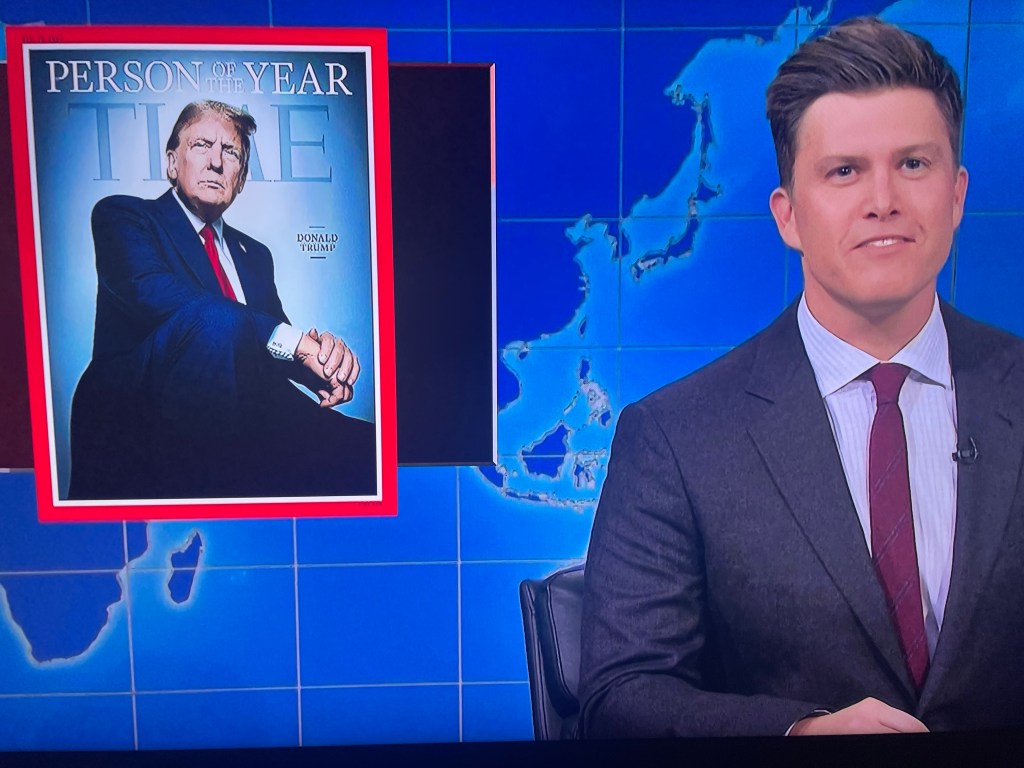
In a recent episode of Saturday Night Live (SNL), the show’s iconic “Weekend Update” segment took aim at one of the most recognizable images in contemporary media: Donald Trump’s Time Magazine cover. This comedic examination not only provided a humorous critique of Trump’s overwhelming media presence but also sparked discussions about the broader implications of celebrity culture in politics. The segment highlighted the question of why one individual continues to dominate headlines and the effects this may have on public discourse.
The Media Landscape: A Focus on the Individual
Trump’s Time Magazine cover serves as a potent symbol of the media’s preoccupation with his persona. Since his rise to political prominence, the ex-president has been a fixture in news cycles, often overshadowing other critical issues. This reality raises several important questions:
- What does this obsession say about the current state of American journalism?
- How does focusing on a single individual affect the public’s understanding of broader political contexts?
- What are the potential consequences of this media fixation on democracy and civic engagement?
The SNL segment humorously addressed these points, poking fun at both Trump and the media’s role in amplifying his influence. The show’s comedic approach allowed for a deeper exploration of these themes, demonstrating how satire can serve as a tool for reflection on serious societal issues.
Understanding the Power of Satire in Political Commentary
Satire has long been a powerful vehicle for political commentary in America. Programs like SNL have the unique ability to distill complex political issues into digestible and engaging segments. The humor derived from exaggeration allows audiences to confront uncomfortable truths without the heaviness typically associated with political discourse.
By focusing on Trump’s Time Magazine cover, SNL emphasized how the media often elevates certain figures at the expense of others. This dynamic can skew public perception, creating a narrative where one person’s actions and statements overshadow systemic issues that require attention.
Case Studies in Media Obsession
Trump is not the first politician to receive disproportionate media attention. Historical figures such as Bill Clinton and Barack Obama also experienced similar phenomena, albeit in different contexts. For instance:
- Bill Clinton: His presidency was marked by extensive coverage of personal scandals, often distracting from policy discussions.
- Barack Obama: While celebrated for his oratory skills, the media’s focus on his race and identity often overshadowed substantive debates on his policies.
This pattern suggests that while certain politicians may thrive under media scrutiny, it can also lead to a lack of comprehensive coverage on pressing issues such as healthcare, climate change, and economic inequality. The media’s fixation on individual personalities can contribute to a shallow understanding of the political landscape.
The Impact of Celebrity Culture on Politics
The SNL critique also touches on a broader cultural trend where celebrity status intertwines with political identity. In today’s digital age, social media plays a crucial role in shaping public perceptions of politicians. This phenomenon has led to the rise of the “celebrity politician,” where image and personality sometimes take precedence over policy and governance.
Several factors contribute to this trend:
- Social Media Platforms: The rise of Twitter, Instagram, and TikTok has redefined how politicians communicate with the public, often prioritizing viral moments over substantive dialogue.
- 24-Hour News Cycle: The relentless nature of news coverage compels outlets to focus on sensational stories, often at the expense of in-depth analysis.
- Public Engagement: The public’s fascination with celebrity can overshadow more serious political engagement, leading to a disengaged electorate.
This shift raises concerns about the quality of democratic discourse. If public interest is primarily directed toward personalities rather than policies, the potential for informed decision-making diminishes.
Broader Implications for Democracy
The implications of this media obsession extend beyond individual politicians; they touch upon the health of democracy itself. When media coverage focuses predominantly on one figure, it can create a distorted narrative that affects public opinion and electoral outcomes.
Moreover, this phenomenon may result in:
- Polarization: As media outlets cater to specific narratives, they can deepen existing divides among the electorate, making compromise more difficult.
- Voter Apathy: A singular focus on one individual may lead some voters to feel disillusioned or disengaged from the political process, believing their voices are overshadowed.
- Reduced Accountability: When attention is diverted to sensational stories, critical scrutiny of policies and governance may wane.
Addressing these issues requires a concerted effort from both the media and the public to prioritize comprehensive coverage that encompasses a diverse range of voices and perspectives.
Conclusion: Rethinking Our Media Consumption
The recent SNL segment serves as a provocative reminder of the need to critically examine our media consumption and its implications for society. While humor can provide a necessary lens through which to view political absurdities, it is essential to remain vigilant about the narratives being propagated in mainstream media.
As audiences, we must advocate for a media landscape that values depth over spectacle. By fostering discussions that extend beyond the confines of individual personalities, we can encourage a more informed and engaged electorate. The challenge lies not only in the hands of media creators but also in our approach to consuming news and engaging in political discourse.
In an era where the lines between celebrity and politician blur, it is crucial to remember that democracy thrives on informed debate and a diversity of voices. As we navigate the complexities of modern politics, let us strive to create a media environment that reflects the multifaceted nature of our society, ensuring that every voice has the opportunity to be heard.
See more CNET Live