
Social Media Sparks Debate Over Holiday Greetings
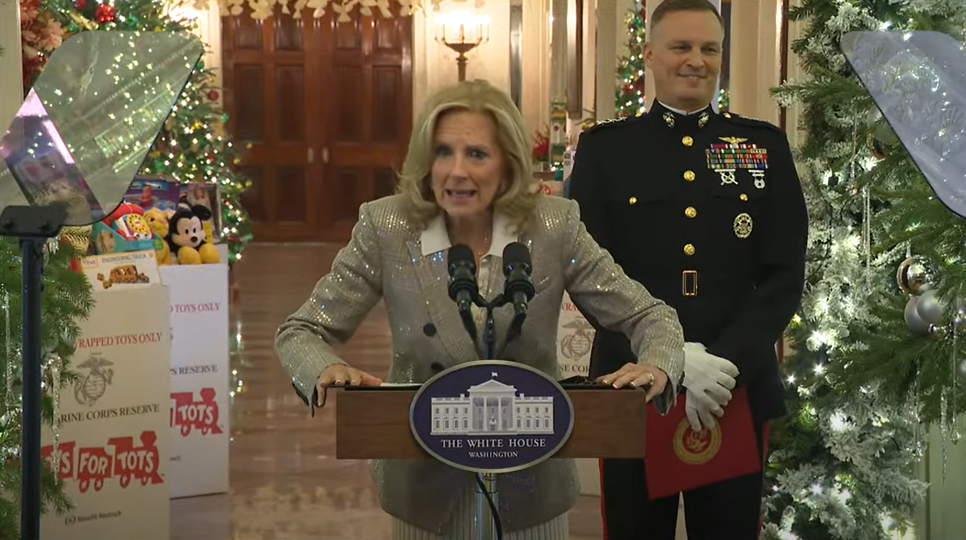
This holiday season, a playful yet thought-provoking exchange involving the First Lady of the United States, Jill Biden, has ignited a lively discussion on social media. Following her use of “Happy Holidays” in festive greetings, children across the nation responded with a spirited insistence on “Happy Christmas.” This lighthearted correction has not only gone viral but also highlights deeper cultural dynamics regarding holiday traditions and the generational divide in celebrating them.
The Viral Exchange
The exchange began when Jill Biden, in a holiday message, opted for the inclusive phrase “Happy Holidays,” a common greeting aimed at encompassing various celebrations during the festive season, including Christmas, Hanukkah, Kwanzaa, and New Year’s. However, children took to social media platforms to humorously correct her, emphasizing their preference for the more traditional “Happy Christmas.” The responses varied from playful memes to earnest video messages, showcasing the children’s enthusiasm for the holiday that is often regarded as the centerpiece of the season in the United States.
Understanding the Context
The phrase “Happy Holidays” has been a point of contention for years, perceived by some as an attempt to dilute the cultural significance of Christmas. Proponents of this inclusive greeting argue that it acknowledges the diverse tapestry of celebrations that occur during the holiday season in a pluralistic society. Meanwhile, traditionalists often view “Happy Holidays” as a departure from the more familiar and culturally significant “Merry Christmas.”
Cultural Significance Behind Holiday Greetings
Holiday greetings are not merely pleasantries; they are laden with cultural significance. They reflect individual identity, family traditions, and societal values. The preference for “Happy Christmas” among children can be interpreted as their desire to connect with the warmth and familiarity of the holiday as they experience it in their homes. This sentiment underscores how children often perceive holidays through the lens of tradition and personal experience.
The Generational Divide
The debate over holiday greetings also highlights a generational divide. Older generations might prioritize tradition and the historical significance of phrases, while younger generations are more inclined to embrace inclusivity and diversity in language. This friction can be observed in various aspects of culture, from language and greetings to customs and practices.
- Traditionalists: Often hold strong connections to historical practices and may feel that phrases like “Happy Holidays” dilute the essence of Christmas.
- Progressives: Advocate for an inclusive approach, recognizing the rich diversity of celebrations during the holiday season.
The Role of Social Media in Shaping Conversations
Social media platforms have transformed how we communicate and engage with cultural discussions. The humorous and spirited responses from children reflect the playful nature of these platforms, where memes and lighthearted content can quickly go viral. This phenomenon allows for immediate feedback and interaction, enabling users to express their opinions and experiences in real-time, which can lead to broader cultural conversations.
Implications for Future Holiday Celebrations
The debate sparked by Jill Biden’s greeting serves as a reminder of the evolving nature of holiday celebrations. As society continues to diversify, the way we approach and discuss holidays will likely change. Here are a few implications to consider:
- Increased Inclusivity: Future holiday greetings may continue to reflect a growing awareness of cultural diversity, encouraging people to acknowledge and celebrate various traditions.
- Evolution of Traditions: As younger generations grow up with different values and experiences, traditional practices may evolve, leading to new ways of celebrating holidays.
- Openness to Dialogue: The viral exchange may encourage more open conversations about holiday practices, fostering understanding and respect among different cultural perspectives.
Conclusion: Celebrating the Spirit of the Season
As the holiday season approaches, the spirited debate surrounding Jill Biden’s greeting serves as a reminder of the importance of cultural expression and the value of inclusivity. While “Happy Holidays” and “Happy Christmas” may represent different traditions and perspectives, they ultimately reflect the joy and warmth that the season brings. Engaging in these conversations, whether through humor or earnest discussion, enriches our collective experience and encourages a deeper understanding of each other’s beliefs and practices.
In navigating the complexities of cultural expressions, it is essential to embrace both tradition and inclusivity, allowing everyone to find their place in the celebration. As we gather with friends and family this season, let us celebrate the spirit of the holidays in all its forms, fostering connections that transcend differences and build a brighter, more inclusive future.
See more CNET Live