
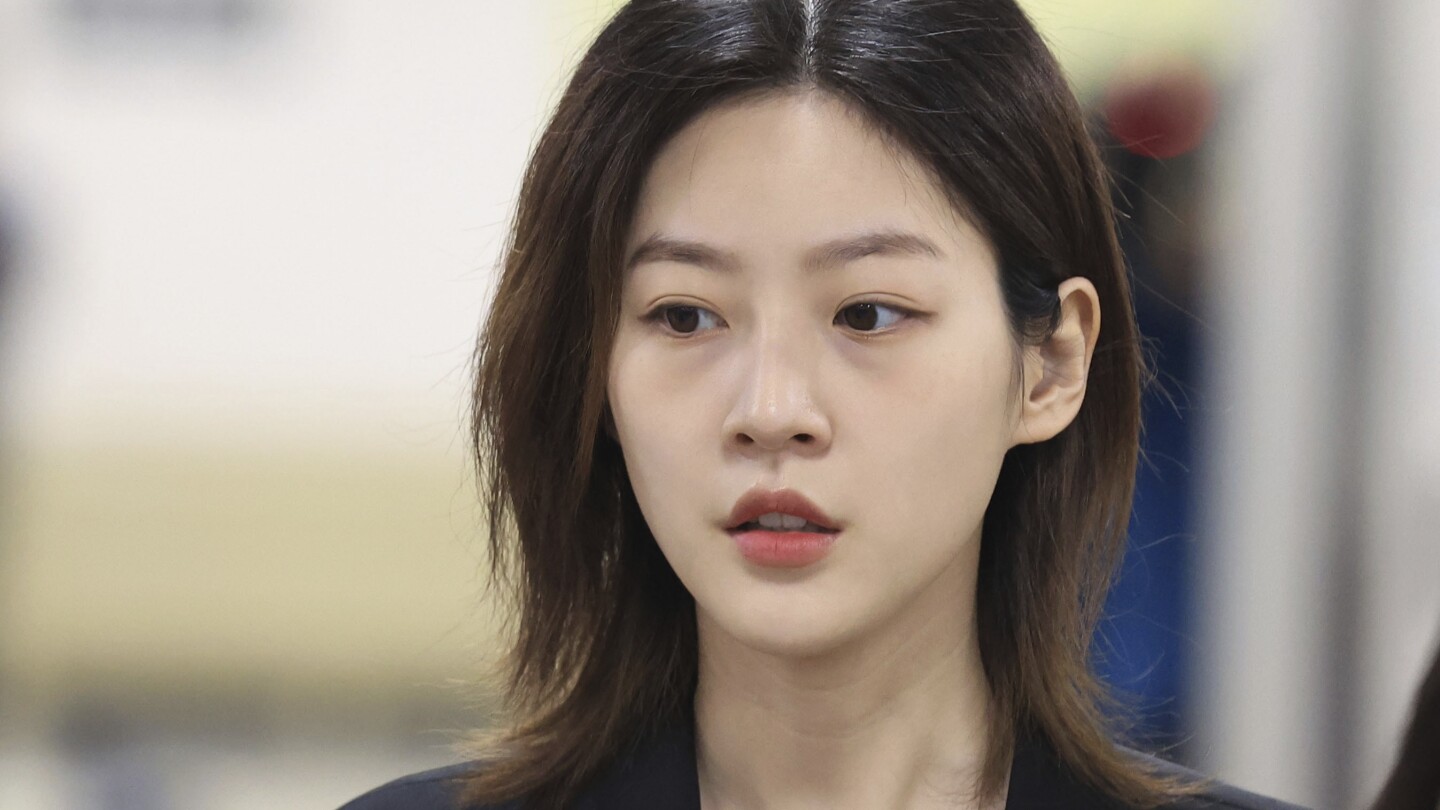
Tragic Loss of a Young Star: The Intersection of Fame and Mental Health
The tragic loss of a young star, particularly one as beloved as the 24-year-old South Korean actor, has sparked a much-needed dialogue about the often-overlooked relationship between social media and mental health. As fans and experts come together to mourn, they also shine a light on the pressures young celebrities face in an increasingly digital world. This incident has not only highlighted the personal struggles of those in the limelight but has also prompted a broader examination of how internet culture affects well-being.
The Weight of Fame
Fame can be a double-edged sword. For many young actors, stardom brings a whirlwind of opportunities, admiration, and financial gain. However, the price of this fame can be steep. The expectations to maintain a perfect public image, deliver flawless performances, and engage with fans constantly can lead to overwhelming stress. Young stars often find themselves under the scrutiny of not just their fans but also the media, which can exacerbate feelings of anxiety and depression.
- Public Scrutiny: The constant observation can lead to a fear of failure.
- Isolation: Many young celebrities report feeling alone despite their public personas.
- Pressure to Perform: The need to always be “on” can be exhausting.
In the case of the young South Korean actor, reports suggest that the pressure to succeed and the relentless criticism may have contributed to his struggles. This scenario is not unique; many young stars have faced similar battles, revealing a concerning trend in the entertainment industry.
The Role of Social Media
Social media has transformed the way we connect, but it has also introduced new challenges, especially for those in the public eye. Platforms like Instagram, Twitter, and TikTok allow fans to interact with their favorite celebrities, but this interaction can often turn toxic. The constant feedback loop of likes, comments, and shares can create an unrealistic standard of perfection.
For young stars, social media can be a double-edged sword:
- Connection vs. Invasion: While social media allows for connection with fans, it also invades personal space and privacy.
- Validation: Young celebrities may seek validation through likes and comments, which can lead to an unhealthy dependence on external approval.
- Cyberbullying: Negative comments and trolling can significantly impact mental health.
Experts argue that the digital age has created a culture of comparison, where young actors are constantly measuring themselves against their peers. This can lead to feelings of inadequacy and increased anxiety, contributing to a decline in mental health.
Understanding the Impact on Mental Health
The tragic loss of the young star is a stark reminder of the importance of mental health awareness. Studies have shown that celebrities are at a higher risk for mental health issues, including depression and anxiety, largely due to their public personas and the pressures associated with fame.
Key factors influencing mental health among young celebrities include:
- High Expectations: The need to maintain a successful image can be debilitating.
- Lack of Privacy: Constant public exposure can lead to a feeling of vulnerability.
- Fear of Failure: The pressure to succeed can create an overwhelming fear of letting fans down.
In light of these challenges, it’s essential for the industry to foster a supportive environment that prioritizes mental health. Awareness campaigns and mental health resources should be readily available to help young stars navigate their unique challenges.
Creating a Supportive Community
As fans and the entertainment industry reflect on the tragic loss, it’s vital to consider how we can create a more supportive community for young stars. Here are several ways we can contribute:
- Advocacy: Encourage mental health advocacy within the entertainment industry. Support organizations that provide resources for mental health.
- Empathy: Promote a culture of empathy among fans. Encourage positive interactions and discourage cyberbullying.
- Education: Educate young stars about mental health and coping strategies. Providing tools to manage stress and anxiety can make a significant difference.
Moreover, it’s essential for fans to recognize the humanity behind the fame. Celebrities are not just public figures; they are individuals with their own struggles and vulnerabilities.
The Path Forward
In the wake of this tragedy, we must challenge the status quo. The entertainment industry, alongside fans, must work together to ensure that mental health is prioritized. This can involve:
- Implementing Mental Health Programs: Studios and agencies should offer mental health support and programs for their talent.
- Encouraging Open Conversations: Promoting discussions about mental health can help destigmatize the issue and encourage those who are struggling to seek help.
- Fostering Healthy Social Media Use: Encouraging balanced social media habits can help mitigate some of the negative effects.
While we mourn the loss of a talented young star, let us also use this moment as a catalyst for change. By addressing the intersection of fame, mental health, and social media, we can create a more understanding and supportive environment for all young celebrities navigating their careers in the spotlight.
Conclusion
The tragic loss of a young star serves as a poignant reminder of the complexities surrounding fame and mental health. As we reflect on this loss, let us strive to cultivate a culture that values mental well-being, encourages open dialogue, and supports those who face the pressures of public life. Together, we can honor the memory of those we’ve lost by advocating for a brighter, more compassionate future for the stars of tomorrow.
See more CNET Live