
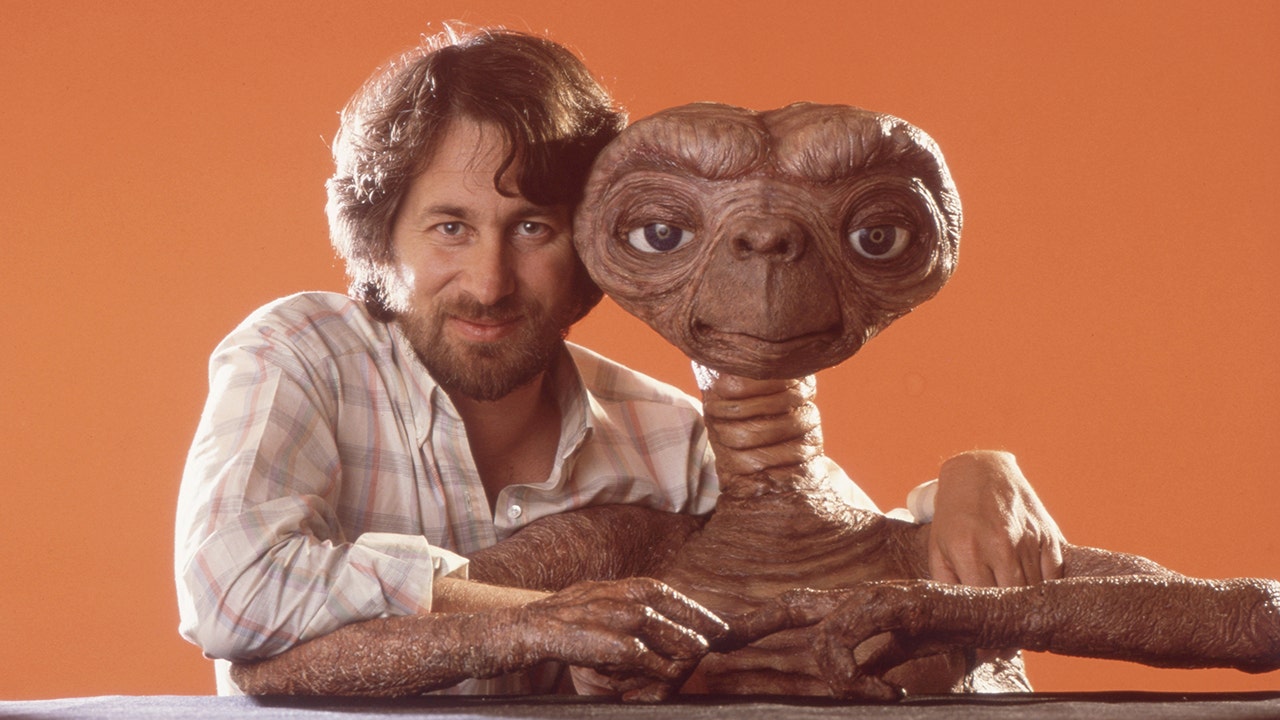
Spielberg’s Bold Decision: Why He Shelved the ‘E.T.’ Sequel
In a world where sequels and reboots dominate the cinematic landscape, Steven Spielberg’s choice to shelve a sequel to his beloved 1982 classic, *E.T. the Extra-Terrestrial*, stands out as a bold testament to his artistic integrity. Recently, Spielberg opened up about this decision, revealing that a lack of rights was a pivotal factor in preventing the continuation of the *E.T.* story. This choice not only shaped the trajectory of the franchise but also highlighted Spielberg’s commitment to maintaining the essence of his original creation.
The Legacy of *E.T.*
*E.T. the Extra-Terrestrial* is not just a film; it’s a cultural phenomenon. Upon its release, it captivated audiences with its heartwarming tale of friendship between a young boy, Elliott, and a stranded alien. The film’s themes of empathy, love, and the innocence of childhood resonated deeply, making it one of the highest-grossing films of all time. Over the decades, *E.T.* has remained an iconic symbol of 1980s cinema, celebrated for its innovative special effects, John Williams’ unforgettable score, and its emotional depth.
Spielberg’s Vision and Commitment to Integrity
For Spielberg, the decision to halt the production of a sequel was not taken lightly. He has always been an advocate for creative integrity, prioritizing the story and its impact over commercial success. In an era where franchises often feel pressured to churn out sequels to capitalize on success, Spielberg’s restraint is commendable. He understands that the magic of *E.T.* lies in its singular narrative and the poignant emotions it evokes, which could be diluted by a sequel.
Moreover, the complexities surrounding film rights played a significant role in Spielberg’s decision. Licensing issues and the ever-changing landscape of intellectual property can complicate the creative process. Spielberg’s acknowledgment of these factors reveals a deep respect for the original work, ensuring that any continuation would be faithful to the spirit of *E.T.* rather than a mere cash grab.
The Impact of Spielberg’s Decision
By shelving the *E.T.* sequel, Spielberg has made a statement about the nature of storytelling in Hollywood. His choice serves as a reminder that not every successful film needs a sequel. The decision to preserve the sanctity of the original film has allowed *E.T.* to remain a standalone masterpiece, untouched by the potential pitfalls of sequels.
Fans’ Reactions
The response from fans has been mixed but largely supportive. Many longtime admirers of the film appreciate Spielberg’s commitment to quality over quantity. They argue that the emotional weight of *E.T.* should not be diluted by a sequel, especially considering how beloved the original is. The film’s legacy is intact, allowing new generations to experience its magic without the overshadowing presence of a follow-up.
- Preservation of Nostalgia: Fans often express that a sequel might tarnish the nostalgic value of the original.
- Quality over Quantity: Many agree that not all successful films need sequels, especially when the original story is complete.
- Respect for the Art: Spielberg’s decision is seen as a commitment to artistic expression rather than commercial gain.
The Broader Context of Sequels in Hollywood
Spielberg’s decision also highlights a larger trend in Hollywood concerning sequels and reboots. In recent years, studios have increasingly relied on established franchises to guarantee box office success. While this approach can lead to financial rewards, it often sacrifices artistic innovation and originality. Spielberg’s stance against this norm serves as a counterbalance, reminding both filmmakers and audiences of the importance of storytelling integrity.
Additionally, the current trend of nostalgia-driven content in cinema often leads to the revival of beloved franchises. However, Spielberg’s choice to leave *E.T.* as a standalone film sets a precedent for filmmakers focusing on original concepts rather than rehashing familiar stories. This is particularly important in an industry rapidly losing its sense of originality in favor of recognizable brands.
The Future of *E.T.* and Spielberg’s Other Projects
While Spielberg has shelved the idea of an *E.T.* sequel, he continues to explore new narratives and innovative projects. His recent works, such as *West Side Story* and *The Fabelmans*, showcase his unwavering commitment to storytelling. The latter, a semi-autobiographical film, reflects Spielberg’s journey as a filmmaker and his lifelong passion for cinema.
In light of his decision regarding *E.T.*, it’s clear that Spielberg values the connection between a filmmaker and their audience. He recognizes that the impact of a story can linger long after the credits roll, and the emotional ties formed through a film should not be taken lightly. Spielberg’s dedication to preserving the original *E.T.* narrative ensures that the film remains a unique experience, allowing audiences to forge their own connections.
Conclusion: A Testament to Creative Integrity
In conclusion, Spielberg’s bold decision to shelve the *E.T.* sequel speaks volumes about his principles as a filmmaker. It emphasizes the importance of creative integrity and the need for filmmakers to respect the narratives they create. In a world where sequels often reign supreme, Spielberg’s stance serves as a reminder that sometimes, less is more. The legacy of *E.T.* will continue to thrive, untouched by the pressures of modern filmmaking, allowing it to remain a timeless classic for generations to come.
As audiences, we can appreciate Spielberg’s decision, knowing that the magic of *E.T.* will endure, cherished as an original work of art that resonates with the hearts of many. Perhaps it’s this very commitment to storytelling that has made Spielberg one of the most respected filmmakers in the history of cinema.
See more CNET Live