
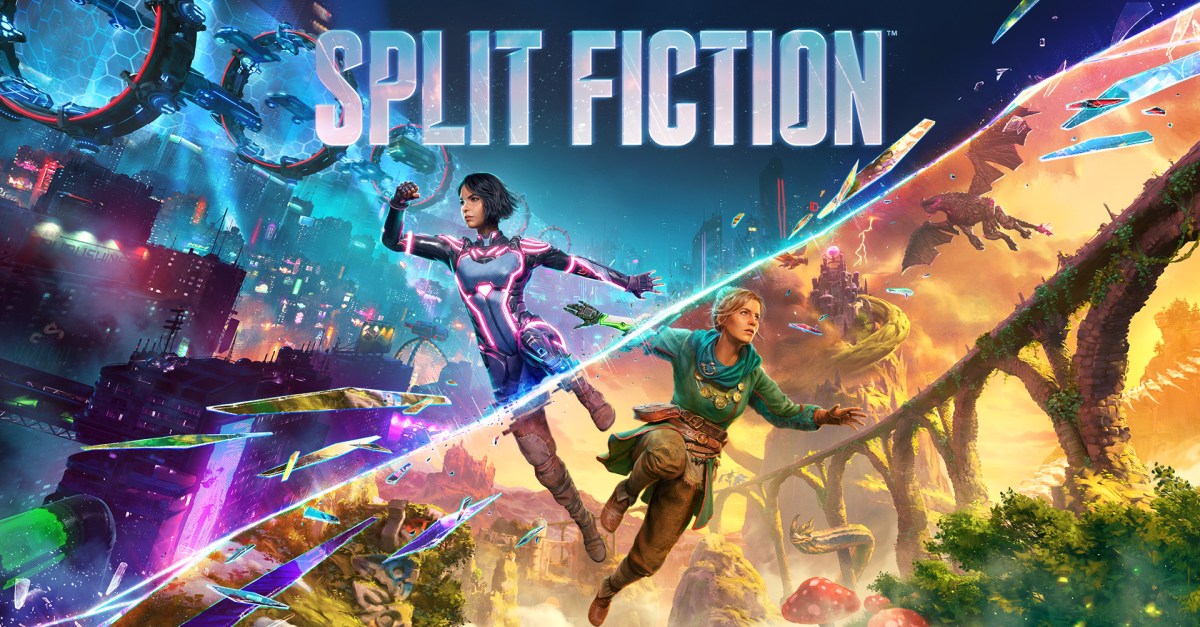
The Art of Collaboration: Understanding Split Fiction
In the realm of creative storytelling, the concept of split fiction has emerged as a groundbreaking approach that emphasizes the **art of collaboration**. This innovative narrative style not only redefines how stories are told but also highlights the significant role teamwork plays in fostering originality and depth. As writers increasingly embrace the idea of working together, we witness a transformation in the creative landscape, one where collective creativity thrives and individual voices harmonize to create something uniquely compelling.
The Rise of Split Fiction
Split fiction can be described as a genre that blends multiple perspectives and narratives into a cohesive whole. This technique allows various authors or contributors to weave their individual storylines into a singular tapestry, creating a rich and multifaceted reading experience. It thrives on collaboration, proving that when creative minds unite, the resulting narrative often surpasses what any single author could achieve alone.
Collaboration in Creative Writing
The **art of collaboration** in storytelling is not a new phenomenon; however, its application in split fiction has gained momentum in recent years. Authors are increasingly recognizing the benefits of merging their visions, ideas, and writing styles. Here are some reasons why collaboration is becoming vital in creative writing:
- Diverse Perspectives: When writers come together, they bring their unique backgrounds, experiences, and viewpoints. This diversity enriches the narrative, providing readers with a well-rounded understanding of the story’s themes and characters.
- Enhanced Creativity: Brainstorming with others often leads to innovative ideas that might not surface in solitary writing. Collaborators can build off each other’s concepts, leading to unexpected plot twists and character developments.
- Shared Workload: Writing can be a daunting task, often leading to writer’s block or burnout. By collaborating, authors can share the workload, making the process more enjoyable and less overwhelming.
- Accountability: Working in a team encourages commitment. Writers are more likely to meet deadlines and stay motivated when they know others are relying on them.
How Split Fiction Enhances Narrative Depth
When examining split fiction, it becomes clear that the **art of collaboration** significantly enhances narrative depth. Here are some ways in which teamwork contributes to richer storytelling:
Layered Storytelling
By incorporating multiple voices, split fiction allows for layered storytelling. Each author can introduce subplots, character arcs, and themes that intersect and overlap, creating a complex narrative structure. This layering not only adds depth but also invites readers to engage more actively with the text as they piece together different storylines.
Character Development
Collaboration fosters dynamic character development. In a split fiction narrative, characters can evolve through interactions with various perspectives. For example, a character viewed through the lens of multiple authors may reveal different facets of their personality, leading to a more nuanced portrayal. This multifaceted approach deepens the reader’s connection to the characters, making them more relatable and memorable.
Engagement Through Co-creation
The **art of collaboration** also enhances reader engagement. When authors collaborate, they often create a narrative that is more immersive and interactive. Here are some strategies that can enhance reader engagement in split fiction:
- Interactive Elements: Authors can incorporate interactive features such as choice-based paths, where readers can decide between different storylines. This interactivity invites readers to become co-creators of the narrative.
- Community Involvement: Some split fiction projects actively involve readers in the storytelling process, seeking input or ideas for character development or plot twists. This not only builds a dedicated readership but also creates a sense of ownership among fans.
- Social Media Integration: Collaborators can utilize social media platforms to share snippets of their work, engage with readers, and even solicit feedback. This direct line of communication fosters a community around the narrative, making readers feel invested in its success.
Challenges and Solutions in Collaborative Writing
While the **art of collaboration** presents numerous advantages, it also comes with its own set of challenges. Here are some common hurdles faced by collaborative authors and potential solutions:
Creative Differences
One of the most significant challenges in collaboration is navigating creative differences. When multiple writers contribute to a single narrative, conflicting visions can arise.
- Solution: Establish clear communication from the outset. Authors should discuss their individual visions for the project and agree on a cohesive direction that respects everyone’s contributions.
Time Management
Coordinating schedules can be tricky, especially when working with multiple authors. Delays in one writer’s progress can impact the entire project.
- Solution: Set realistic deadlines and create a shared timeline that accommodates everyone’s availability. Regular check-ins can help keep the project on track.
Maintaining a Cohesive Voice
In split fiction, achieving a consistent narrative voice can be challenging, as each author has their writing style.
- Solution: Consider appointing a lead editor or adopting a style guide to ensure that the final narrative presents a unified voice, even amidst varied contributions.
The Future of Split Fiction and Collaboration
As the **art of collaboration** continues to evolve, we can expect to see even more innovative approaches to storytelling. With advancements in technology, virtual collaboration tools are making it easier for authors to connect and work together, regardless of geographical barriers. This trend is likely to lead to an explosion of creativity, as writers from diverse backgrounds and cultures unite to tell stories that resonate on a global scale.
In conclusion, split fiction exemplifies the transformative power of collaboration in storytelling. By embracing teamwork, authors can create richer, more engaging narratives that captivate readers and push the boundaries of traditional writing. As we move forward, the art of collaboration will undoubtedly remain a cornerstone of creative storytelling, proving that when we come together, the possibilities are limitless.
See more CNET Live