
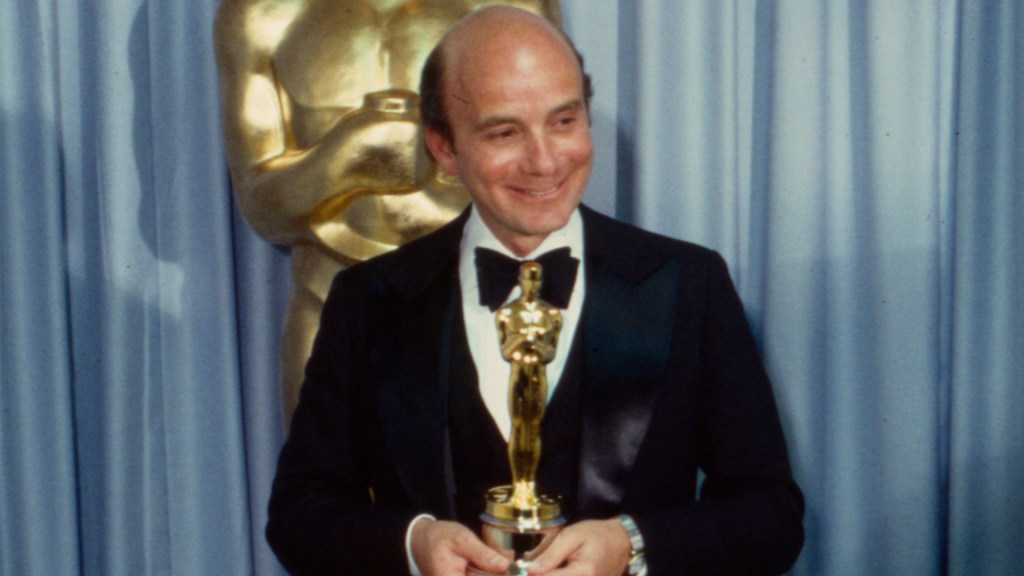
Remembering Stanley R. Jaffe: A Pioneer in Film Production
Stanley R. Jaffe, the acclaimed producer behind iconic films like Kramer Vs. Kramer and Fatal Attraction, has passed away at the age of 84. His contributions to cinema have left an indelible mark on the industry, showcasing his unique talent for storytelling and film production. Jaffe’s career spanned decades, during which he developed a reputation for producing films that not only entertained but also explored complex themes of human relationships and societal issues.
The Early Years of Stanley R. Jaffe
Born on March 6, 1939, in the bustling city of New York, Stanley R. Jaffe grew up in a vibrant cultural environment that would later influence his cinematic vision. He pursued his education at the University of Pennsylvania, where he studied English Literature. This foundation in literature undoubtedly shaped his storytelling abilities, allowing him to delve deeper into character development and narrative structure.
After graduation, Jaffe began his career in the film industry as a production assistant. His keen eye for detail and passion for filmmaking quickly propelled him into larger roles within the industry. By the late 1970s, he had established himself as a formidable producer, co-founding the production company Columbia Pictures, which became a platform for many of his most successful projects.
Defining Moments in Jaffe’s Career
One of the defining moments in Stanley R. Jaffe’s career came with the release of Kramer Vs. Kramer in 1979. The film, which starred Dustin Hoffman and Meryl Streep, focused on the complexities of divorce and parenting. Its raw and emotional portrayal of family dynamics resonated deeply with audiences, earning Jaffe the Academy Award for Best Picture. This film not only highlighted his ability to choose compelling stories but also his skill in bringing together talented actors and directors to create unforgettable cinema.
Following this success, Jaffe continued to explore challenging themes through his subsequent projects. In 1987, he produced Fatal Attraction, a psychological thriller that examined the consequences of infidelity. The film, starring Glenn Close and Michael Douglas, was a commercial success and sparked widespread discussions about relationships and betrayal. Jaffe’s ability to tap into the zeitgeist and produce films that reflected societal fears and desires was a hallmark of his career.
The Impact of Stanley R. Jaffe on Hollywood
Stanley R. Jaffe’s influence on Hollywood extends beyond his own films. He played a pivotal role in shaping the landscape of American cinema during a transformative period. The late 1970s and 1980s were marked by a shift towards more character-driven narratives, and Jaffe was at the forefront of this movement. His films often challenged conventional storytelling, opting for a more nuanced approach that emphasized character development over mere spectacle.
Moreover, Jaffe was known for his collaborative spirit. He worked with renowned directors such as Robert Benton and Adrian Lyne, fostering an environment that allowed creative voices to shine. His commitment to nurturing talent helped elevate the careers of many actors and filmmakers, leaving a lasting legacy in the industry.
Stanley R. Jaffe’s Vision for Storytelling
At the heart of Jaffe’s success was his unwavering belief in the power of storytelling. He understood that films could be more than just entertainment; they could serve as a mirror to society, reflecting its joys, fears, and complexities. His films often centered around themes of love, betrayal, and redemption, inviting audiences to engage with the characters on a deeper level.
One of Jaffe’s notable strengths was his ability to portray flawed characters authentically. He believed that audiences connect more with characters who are relatable and imperfect. This approach not only made his films resonate with viewers but also encouraged discussions about morality and human behavior, pushing the boundaries of what cinema could achieve.
The Legacy of Stanley R. Jaffe
Stanley R. Jaffe’s passing marks the end of an era, but his legacy lives on through the films he produced. His work continues to inspire filmmakers and audiences alike, serving as a testament to the power of storytelling in cinema. Jaffe’s films are often studied in film schools for their innovative narratives and character development, illustrating his impact on future generations of filmmakers.
In addition to his cinematic achievements, Jaffe was also a committed philanthropist. He supported various arts organizations and initiatives aimed at nurturing young talent in the film industry. His dedication to fostering the next generation of storytellers reflects his belief in the importance of mentorship and education in the arts.
Honoring Stanley R. Jaffe’s Memory
As we remember Stanley R. Jaffe, it’s essential to celebrate not only his remarkable achievements but also the values he championed throughout his career. His ability to tell human stories with honesty and depth has set a standard in the film industry that many aspire to reach. Jaffe’s films remind us that cinema can provoke thought, evoke emotion, and foster dialogue about the human experience.
In a world increasingly dominated by blockbuster franchises and special effects, Jaffe’s commitment to character-driven storytelling serves as a reminder of the importance of substance over style. His legacy encourages filmmakers to prioritize narrative depth and emotional truth, ensuring that the stories we tell continue to resonate with audiences across generations.
Conclusion
Stanley R. Jaffe leaves behind a rich legacy that will continue to influence filmmakers and cinema lovers for years to come. As we reflect on his life and work, let us carry forward his passion for meaningful storytelling and his belief in the transformative power of film. In doing so, we not only honor his memory but also keep alive the spirit of creativity and innovation that he embodied throughout his illustrious career.
In the end, Stanley R. Jaffe was more than just an Oscar-winning producer; he was a visionary who shaped Hollywood and redefined the art of storytelling. His films are a testament to his talent and dedication, reminding us that, at its core, cinema is about connecting with the human experience.
See more CNET Live