
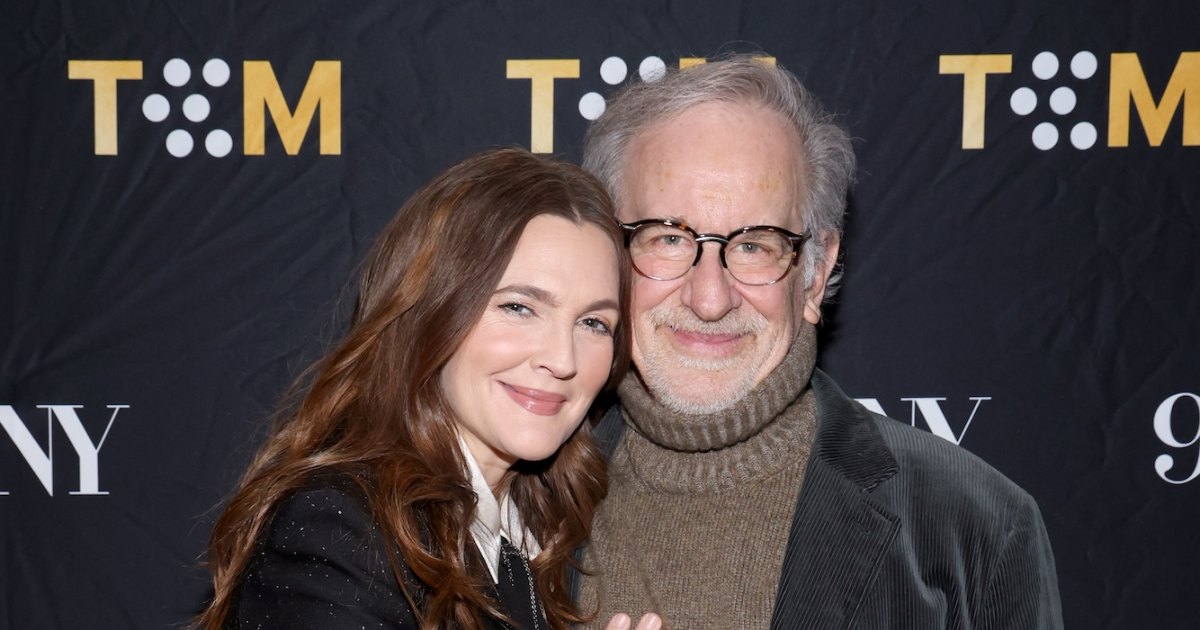
How E.T. Inspired Steven Spielberg’s Journey into Fatherhood
In a world where cinema often reflects personal experiences, few stories resonate as deeply as that of Steven Spielberg and his iconic film, E.T. the Extra-Terrestrial. This beloved movie not only captivated audiences with its imaginative narrative but also profoundly impacted Spielberg’s personal life, particularly his journey into fatherhood. In a heartfelt revelation, Spielberg has shared how Drew Barrymore’s role in E.T. ignited his desire to become a father. This connection between art and life highlights the profound impact of storytelling on personal choices.
The Heart of E.T. and Its Emotional Resonance
E.T., released in 1982, is more than just a tale of a young boy befriending an alien; it’s a poignant exploration of childhood, friendship, and the longing for connection. The film introduces us to Elliott, played by Henry Thomas, whose innocent bond with the alien, E.T., mirrors the complexities of growing up. Central to this narrative is Gertie, portrayed by a young Drew Barrymore, whose innocence and purity brought a unique charm to the film. Spielberg himself has noted that Barrymore’s performance struck a chord with him, evoking memories of his own childhood and family dynamics.
The emotional depth of E.T. can be traced back to Spielberg’s own experiences. Growing up in a fragmented family, Spielberg often felt a sense of isolation. He has mentioned in interviews that the bond between Elliott and E.T. reflects his yearning for connection, a feeling that transcends the screen. The warmth and love displayed in the film, particularly through the children, served as an inspiration for Spielberg as he navigated his own path toward fatherhood.
Drew Barrymore’s Impact on Spielberg’s Fatherhood Aspirations
Drew Barrymore’s role in E.T. was pivotal, not just for the film, but for Spielberg personally. As he watched her embody the spirit of childhood, he felt an overwhelming desire to create that kind of familial bond in his own life. In various discussions about fatherhood, Spielberg has expressed how Gertie’s character encapsulated the innocence and joy that he wished to foster in his future children.
In a candid interview, Spielberg remarked, “Drew’s performance was so genuine and heartfelt that it made me realize how much I wanted to experience that kind of love and connection as a father.” This awakening played a crucial role in shaping his perspective on family, parenting, and the responsibilities that come with it.
Art Reflecting Life: The Influence of Storytelling
The relationship between art and life is a fascinating phenomenon, particularly in the realm of cinema. Spielberg’s ability to infuse his personal experiences into his films has resulted in stories that resonate with audiences on a profound level. His work often reflects themes of family, adventure, and the complexities of human relationships, showcasing how storytelling can influence personal decisions.
As Spielberg embarked on his journey into fatherhood, he drew inspiration from the very narratives he created. The lessons learned from E.T.—the importance of compassion, understanding, and love—became guiding principles in his parenting style. He has often stated that the experiences of his characters influenced how he approached his role as a father, emphasizing the need to foster creativity, imagination, and emotional intelligence in his children.
The Evolution of Spielberg’s Family Life
Since the release of E.T., Spielberg has built a rich family life, becoming a father to seven children. Each child has brought unique experiences and lessons, and Spielberg has embraced the joys and challenges of parenting. His desire to be an engaged and nurturing father has been a driving force in his life, one that was ignited by the emotional journey he undertook while creating E.T..
- Balancing Work and Family: Spielberg has often spoken about the challenge of balancing his illustrious career with his family life. He aims to be present for his children, ensuring that they grow up with the same sense of adventure and creativity that he cherished.
- Encouraging Creativity: Just as he did with the characters in E.T., Spielberg encourages his children to express themselves creatively. He believes that fostering imagination is vital for personal growth and development.
- Instilling Values: The values of empathy, respect, and love that permeate his films are principles he strives to instill in his children, aiming to raise compassionate and understanding individuals.
The Legacy of E.T. in Spielberg’s Life
The legacy of E.T. extends far beyond its box office success. It symbolizes a pivotal moment in Spielberg’s life, marking the transition from a filmmaker to a father. The emotional depth of the film continues to resonate with audiences, reinforcing the idea that stories can inspire profound personal changes.
As Spielberg reflects on his journey, he acknowledges the significant role that E.T. played in shaping not just his career, but his identity as a father. The film serves as a reminder that art has the power to change lives, influencing our aspirations and guiding our choices in unexpected ways.
Conclusion: The Interplay of Art and Personal Growth
In conclusion, Steven Spielberg’s journey into fatherhood is beautifully intertwined with the narrative of E.T. the Extra-Terrestrial. The heartfelt performances, particularly that of Drew Barrymore, ignited a yearning within him to create a loving family, showcasing the profound impact of storytelling on personal choices. Spielberg’s experience exemplifies how art can reflect life and inspire individuals to pursue their deepest desires, ultimately leading to a richer, more fulfilling existence.
Through the lens of his cinematic creations, Spielberg has not only entertained millions but has also shared invaluable lessons about love, connection, and the importance of family. As he continues to create, his legacy as a filmmaker is beautifully complemented by his role as a father, reminding us all of the enduring power of storytelling.
See more CNET Live