
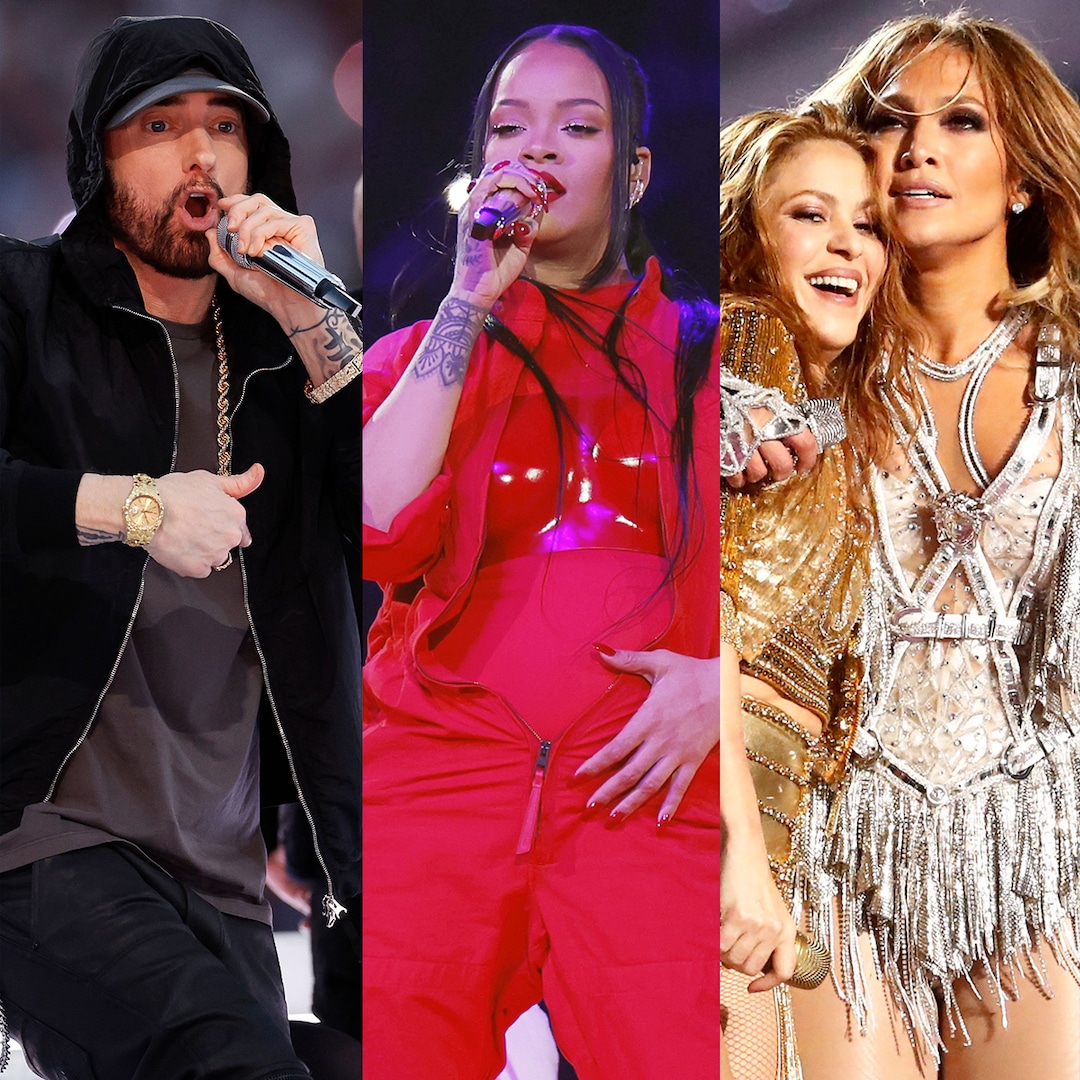
A Retrospective on Super Bowl Halftime Shows: Evolution of Entertainment
Every year, the Super Bowl captivates millions of viewers not just for the thrilling football match, but also for its extravagant halftime show. The Super Bowl halftime shows have undergone a remarkable transformation over the decades, evolving into spectacular performances that are as much a part of the event as the game itself. This article explores the fascinating evolution of these shows, highlighting iconic moments and the artists who have left their mark on this grand stage.
From Marching Bands to Mega Stars
In the early years of the Super Bowl, halftime entertainment was relatively simple, primarily featuring marching bands and local performances. The first Super Bowl in 1967 showcased the University of Arizona and Grambling State University marching bands, a far cry from the sensational spectacles we witness today. These early shows were designed to entertain fans during halftime, but they lacked the star power that would later become a hallmark of the event.
As the years progressed, the NFL began to realize the potential of halftime shows to attract a broader audience. By the 1980s, the halftime performances started featuring popular music acts. The 1982 Super Bowl, which featured a performance by the iconic singer *James Brown*, marked a significant shift in the entertainment landscape of the Super Bowl. The addition of popular music acts paved the way for the lavish productions we see today.
The Golden Era of Halftime Shows
The 1990s heralded a golden era for Super Bowl halftime shows, characterized by elaborate stage designs, intricate choreography, and the inclusion of multiple artists. The 1993 show featuring *Michael Jackson* is often credited with transforming the Super Bowl halftime show into a major entertainment event. Jackson’s performance was a game-changer, drawing in an audience of over 100 million viewers and setting the bar for future shows.
Following Jackson, other legendary artists took the stage, including *Prince*, who delivered a memorable performance during Super Bowl XLI in 2007. His rendition of “Purple Rain” in the rain became an iconic moment in Super Bowl history, showcasing the emotional depth and artistic expression that can be achieved in such a high-pressure setting.
Pop Culture Phenomenon
As the 21st century rolled in, the Super Bowl halftime show began to evolve into a pop culture phenomenon. The NFL embraced the idea of using the halftime show to showcase the biggest names in music. Artists like *Beyoncé*, *Madonna*, and *Lady Gaga* brought not only their musical talents but also their unique styles and messages, further enhancing the spectacle of the show.
One of the most talked-about performances occurred during Super Bowl 50 in 2016, when *Coldplay*, *Beyoncé*, and *Bruno Mars* shared the stage, creating a vibrant and colorful celebration of music and culture. The inclusion of multiple artists reflected the NFL’s strategy to reach diverse audiences and keep the halftime show fresh and exciting.
Social Commentary and Activism
The Super Bowl halftime show has also become a platform for social commentary and activism. In recent years, artists have used their performances to address pressing social issues. For instance, *Shakira* and *Jennifer Lopez*’s performance in 2020 highlighted themes of immigration and Latin culture, sparking conversation and reflection among viewers.
This trend of using the halftime platform for advocacy showcases the evolving nature of the show. It’s no longer just about entertainment; it’s about making a statement and connecting with audiences on a deeper level. As artists leverage their influence, the halftime show continues to reflect the social and political landscape of the time.
Technological Innovations
Technological advancements have played a crucial role in the evolution of Super Bowl halftime shows. From elaborate light displays to cutting-edge stage designs, technology has transformed the way performances are experienced. The introduction of high-definition video screens, drones, and intricate pyrotechnics has elevated the visual experience, making each show a feast for the senses.
For example, *Katy Perry*’s performance in 2015 featured a giant mechanical lion and an array of colorful dancers, showcasing the possibilities that technology brings to live performances. The integration of visual effects not only enhances the entertainment value but also allows artists to tell stories in innovative ways.
The Future of Halftime Entertainment
As we look to the future, the Super Bowl halftime show is poised to continue its evolution. The NFL has recognized the importance of keeping the performances relevant and engaging to a diverse audience. This may lead to more collaborations between artists from different genres, as well as the inclusion of up-and-coming talent alongside established stars.
Moreover, with the rise of streaming platforms and social media, the way audiences consume halftime shows is changing. Artists are increasingly engaging with fans before and after the event, creating a more interactive experience. This could lead to innovative formats for future performances, incorporating viewer feedback and participation in real-time.
Conclusion
The Super Bowl halftime show has come a long way from its humble beginnings, evolving into a major cultural event that captivates millions around the globe. Through the decades, we’ve witnessed iconic performances that have shaped the entertainment landscape, thanks to the artists who have taken the stage. As we celebrate the transformation of Super Bowl halftime shows, it’s clear that they are not just entertainment; they are a reflection of our society, our culture, and our collective experience.
As the shows continue to evolve, one thing remains certain: the Super Bowl halftime performance will always be a highlight of the football season, bringing together music, art, and social commentary in a spectacular display that resonates with audiences everywhere.
See more CNET Live