
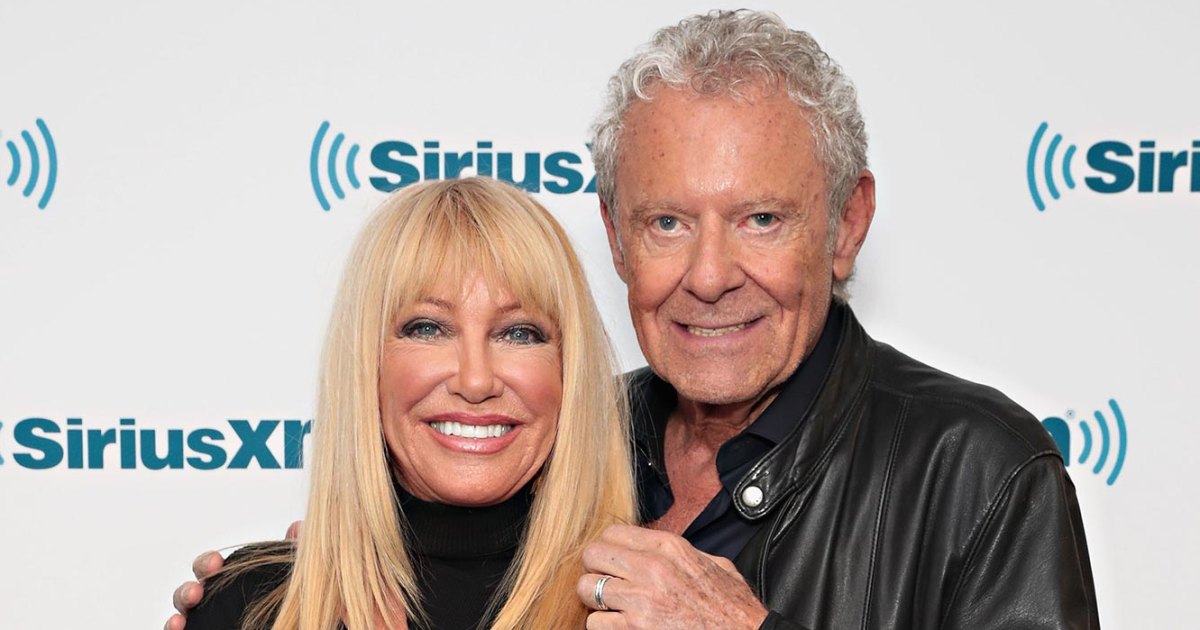
AI Reimagines Suzanne Somers: A Heartfelt Dialogue with Alan Hamel
In a groundbreaking intersection of technology and nostalgia, an AI replica of the beloved actress and businesswoman Suzanne Somers has sparked a profound conversation with her husband, Alan Hamel. This innovative use of artificial intelligence not only highlights the capabilities of modern technology but also raises deep questions about memory, love, and the preservation of legacies. As we delve into this extraordinary dialogue, we explore the implications of AI in reshaping our relationships with those we’ve lost.
A New Era of AI Technology
The advent of artificial intelligence has ushered in a new era of possibilities, particularly in the realms of entertainment and personal connection. With advancements in machine learning and natural language processing, AI can now create remarkably lifelike representations of individuals, capturing not just their physical likeness but also their mannerisms, speech patterns, and even unique quirks. This technology allows for the reimagining of figures from our past, offering a digital resurrection that can be both comforting and unsettling.
In the case of Suzanne Somers, an actress known for her roles in Three’s Company and her successful career as an entrepreneur, the creation of an AI version has enabled a poignant exploration of her legacy. Through the lens of her husband, Alan Hamel, we can examine how this AI-driven conversation reflects on their shared history and the enduring nature of love.
The Heart of the Dialogue
During the interaction, Alan Hamel engages with the AI replica of Suzanne, prompting discussions that range from their cherished memories to the lessons learned throughout their life together. This dialogue is not simply a nostalgic reverie; it serves as a powerful reminder of the love and partnership that defined their relationship.
- Memories of Joy: Alan reminisces about the joyful moments they shared, bringing to life stories that resonate with anyone who has experienced deep affection.
- Reflections on Loss: The conversation touches on the challenges of losing a loved one and how the memories continue to shape our identities.
- Legacy and Continuity: Alan discusses his hopes for the future and how he wishes to carry Suzanne’s legacy forward, inspiring others through her story.
These themes underscore not only the emotional weight of the conversation but also the potential for AI to serve as a vessel for memory preservation. By recreating Suzanne’s voice and personality, the AI helps to maintain a connection between Alan and his late wife, allowing him to express his thoughts and feelings in a way that feels intimate and familiar.
Ethical Considerations in AI Replication
While the technology behind AI replicas like Suzanne Somers opens new avenues for connection, it also presents ethical dilemmas that warrant careful consideration. The ability to recreate a person digitally raises questions about consent, identity, and the nature of memory. As we engage with AI representations, we must ask:
- Is it ethical to recreate a deceased person without their consent? The emotional impact on loved ones can be profound, and the absence of consent complicates the use of AI in this context.
- What happens to the authenticity of memory? Memories are subjective and inherently personal; how do AI replicas influence our recollections of those who have passed?
- Can AI truly capture the essence of a person? While technology can mimic speech and appearance, it struggles to replicate the full depth of human experience and emotion.
These questions remind us that while AI can enhance our interactions with memory, it cannot replace the nuanced and complex nature of human relationships. The dialogue between Alan and the AI version of Suzanne serves as a poignant illustration of this tension, highlighting both the benefits and limitations of technology in the realm of personal connection.
The Future of AI and Legacy Preservation
As we contemplate the future of AI in preserving legacies, it’s essential to consider how this technology can be harnessed responsibly. The conversation between Alan and Suzanne’s AI serves as a model for potential applications in various fields:
- Entertainment: AI replicas could create immersive experiences for fans, allowing them to engage with their favorite stars in new and meaningful ways.
- Therapy and Grief Counseling: AI could be utilized in therapeutic settings to help individuals process loss by facilitating conversations with representations of loved ones.
- Education: Historical figures could be reimagined through AI, offering interactive learning experiences that make history more relatable.
However, as we explore these possibilities, it is crucial to maintain an ethical framework that prioritizes respect for individual identities and memories. The dialogue between Alan and the AI emphasizes the need for thoughtful consideration of how we engage with technology in matters of the heart.
Conclusion: A Journey Through Time and Love
The interaction between Alan Hamel and the AI replica of Suzanne Somers stands as a testament to the enduring power of love and memory. It invites us to reflect on how technology can help us navigate the complexities of grief, nostalgia, and the human experience. While the AI cannot replace the physical presence of a loved one, it offers a unique lens through which we can honor their legacy and keep their spirit alive.
As we look towards the future, the challenge lies in harnessing the potential of AI responsibly and ethically, ensuring that the memories we create and preserve are treated with the reverence they deserve. In this brave new world, we are reminded that love transcends time, and even in the face of loss, we can find ways to connect, remember, and celebrate those who have touched our lives.
See more CNET Live