
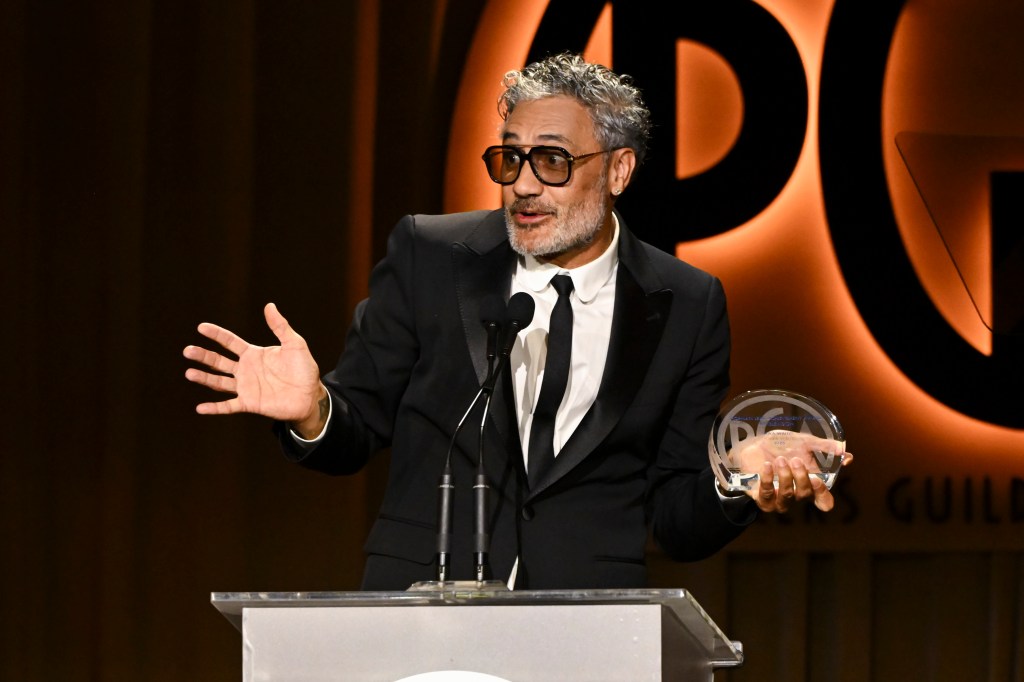
Unveiling Truths: Taika Waititi Challenges Indigenous Storytelling Myths
In a powerful moment that resonated deeply with audiences globally, Taika Waititi, the acclaimed New Zealand filmmaker, delivered an impactful speech while accepting the PGA Norman Lear Award. His address was not just a celebration of his achievements but a clarion call to address and dismantle the longstanding misconceptions surrounding Indigenous storytelling. Waititi’s insights are rooted in personal experiences and a profound understanding of the challenges faced by Indigenous narratives in mainstream media. His reflections underscore the critical necessity for authentic representation in storytelling, highlighting the rich tapestry of Indigenous cultures that often go misrepresented or ignored.
Understanding the Context of Waititi’s Speech
To fully appreciate the depth of Waititi’s message, it’s essential to consider the historical context in which Indigenous stories have been told. For centuries, Indigenous peoples across the globe have had their narratives shaped by external forces, often resulting in distorted representations that fail to capture their true essence. In Hollywood and beyond, Indigenous characters have frequently been relegated to stereotypical roles or, worse, rendered invisible altogether.
Waititi’s speech serves as a reminder that storytelling is a powerful tool that can perpetuate myths or challenge the status quo. By sharing his own journey as a filmmaker, he sheds light on the importance of owning one’s narrative and the necessity for Indigenous voices to be at the forefront of their storytelling.
Challenging Misconceptions in Indigenous Storytelling
One of the key aspects of Waititi’s address was his candid discussion of the misconceptions that surround Indigenous storytelling. He articulated several crucial points that merit further exploration:
- Misrepresentation of Culture: Often, Indigenous cultures are portrayed through a lens that lacks authenticity, leading to a skewed understanding of their beliefs, practices, and histories.
- Universalization of Indigenous Experiences: The notion that one Indigenous story can represent all Indigenous peoples is a dangerous oversimplification. Waititi emphasized that each Indigenous culture is unique, with its own rich traditions and stories that deserve to be told in their own right.
- The Role of Indigenous Filmmakers: He highlighted the importance of Indigenous filmmakers telling their own stories. Authentic representation is not merely about inclusion; it’s about empowerment and reclaiming narratives that have been historically marginalized.
The Importance of Authentic Representation
Waititi’s insights speak to the larger conversation about representation in media. Authentic representation goes beyond mere visibility. It requires a commitment to nuanced, complex portrayals of Indigenous characters and stories. The implications of this are profound, affecting not just the entertainment industry but also societal attitudes towards Indigenous peoples.
In recent years, we’ve seen a shift towards greater inclusivity in Hollywood, but there remains much work to be done. Waititi’s emphasis on authentic representation serves as a guide for both creators and audiences alike to seek out and uplift Indigenous voices. This leads to the following considerations:
- Empowerment through Storytelling: When Indigenous peoples tell their own stories, they assert their identities and experiences, fostering a sense of pride and belonging.
- Educational Opportunities: Authentic narratives provide audiences with a deeper understanding of Indigenous cultures, dispelling myths and stereotypes that have persisted for too long.
- Inspiration for Future Generations: By showcasing diverse Indigenous stories, filmmakers like Waititi inspire young Indigenous artists to pursue their passions and share their unique perspectives.
Personal Experiences Shaping Waititi’s Perspective
Taika Waititi’s journey as a filmmaker has been marked by both triumph and struggle, experiences that deeply inform his approach to storytelling. Growing up in New Zealand as a Māori and Jewish individual, Waititi faced the challenges of navigating multiple cultural identities. This duality enriches his work and enables him to present narratives that resonate on various levels, not just for Indigenous audiences but for a global audience as well.
His breakout film, “What We Do in the Shadows,” cleverly subverted traditional horror tropes while maintaining an underlying commentary on cultural identity. Similarly, “Jojo Rabbit,” which tackles themes of indoctrination and identity through a satirical lens, showcases how stories can be both entertaining and thought-provoking. Waititi’s ability to infuse humor into serious subjects allows his films to engage viewers while also prompting deeper reflection on critical issues.
The Broader Impact of Waititi’s Advocacy
In advocating for Indigenous storytelling, Waititi joins a growing movement of creators and activists who recognize the importance of representation in all forms of media. His speech at the PGA Awards amplified the voices of those who have long been silenced and called for a collective effort to ensure that Indigenous stories are told authentically and respectfully.
Moreover, this advocacy extends beyond the film industry. It resonates with various sectors, including literature, visual arts, and education, where Indigenous narratives can enrich our understanding of diverse cultural landscapes. By championing these stories, we create a more inclusive narrative tapestry that reflects the complexity of human experiences.
Conclusion: The Call for Change
Taika Waititi’s acceptance speech for the PGA Norman Lear Award was more than just a moment of recognition; it was a profound call to action. By challenging the myths surrounding Indigenous storytelling, he not only reflects his personal journey but also highlights the urgent need for authentic representation in media.
As audiences, creators, and advocates, we must heed this call. It is our responsibility to support Indigenous voices, celebrate their stories, and work towards a media landscape where every narrative is given the respect and authenticity it deserves. In doing so, we not only honor Indigenous cultures but also enrich our own understanding of the world.
In the end, storytelling is a shared human experience, and it is through diverse voices that we find the richness of our collective narrative. Let us continue to listen, learn, and uplift the stories that shape who we are.
See more CNET Live