
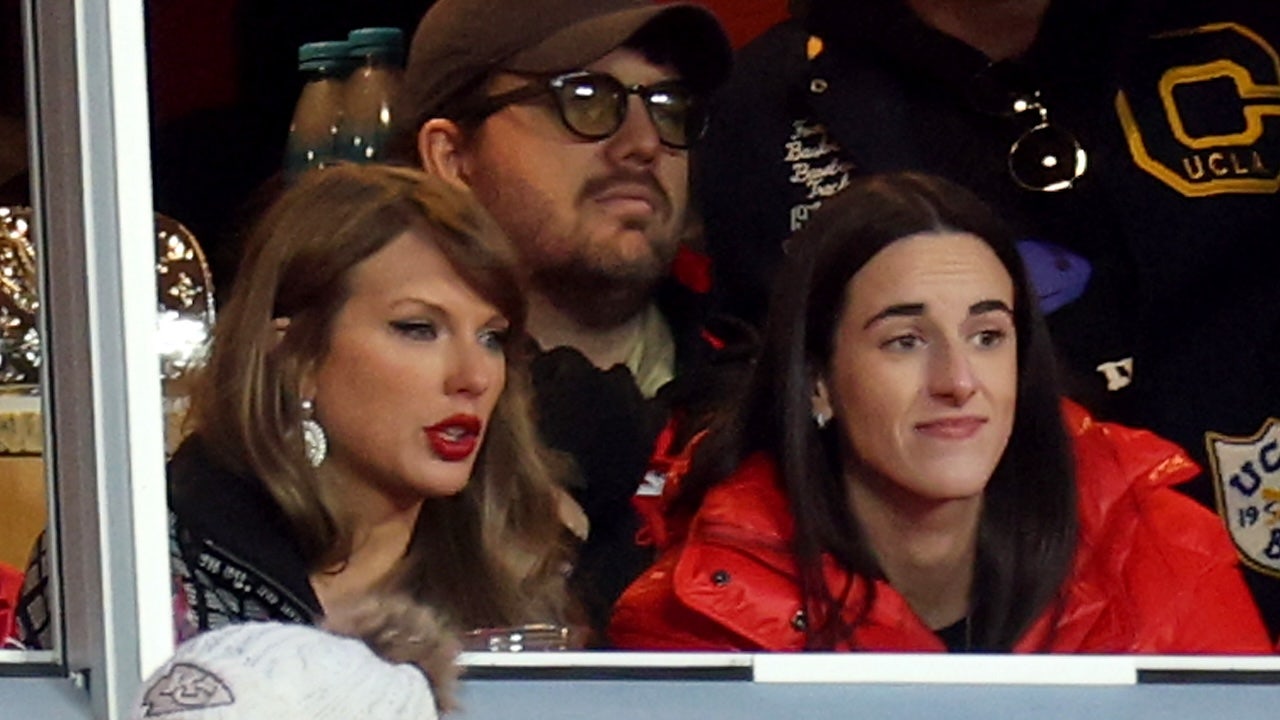
Taylor Swift and Caitlin Clark: The Chiefs Game Appearance That Divided Fans
The recent appearance of pop superstar Taylor Swift alongside rising basketball star Caitlin Clark at a Kansas City Chiefs game has ignited a firestorm of opinions across social media platforms and sports forums. While many fans celebrate their presence as a convergence of pop culture and sports, others have criticized the phenomenon, suggesting that it highlights a broader cultural divide in how sports and entertainment are perceived in modern society. This article delves into the various perspectives surrounding this event, examining both the celebration and controversy it has sparked.
The Context of the Chiefs Game Appearance
Attending a Kansas City Chiefs game is an experience that combines excitement, camaraderie, and a sense of community. The Chiefs, known for their passionate fanbase and dynamic gameplay, provide a vibrant backdrop for any high-profile celebrity appearance. Taylor Swift, a household name in the music industry, and Caitlin Clark, a celebrated figure in women’s basketball, both represent excellence in their respective fields. Their joint appearance at the game was not only a moment for fans to enjoy but also a significant cultural event that drew attention from multiple domains.
Fan Reactions: Celebration vs. Criticism
The reactions to Swift and Clark’s appearance have been deeply polarized:
- Celebration: Many fans were thrilled to see two influential women in the same space, viewing it as a powerful statement about female empowerment and representation in both sports and entertainment. Swift’s influence in music and Clark’s rise in basketball symbolize the breaking of barriers and the blending of different forms of popular culture.
- Criticism: Conversely, some fans took to social media to voice their disdain, arguing that the attention given to celebrity appearances overshadows the game itself. Critics labeled the spectacle as a distraction that detracted from the athletes’ hard work and the essence of sportsmanship.
This divide in opinion reflects larger societal trends where the lines between sports, entertainment, and celebrity culture are increasingly blurred. For some, the presence of pop icons at sporting events enhances the experience, while for others, it represents an unwelcome intrusion.
Cultural Implications of the Event
The Chiefs game featuring Taylor Swift and Caitlin Clark is emblematic of a significant cultural shift. In recent years, celebrity involvement in sports has surged, leading to a redefinition of what it means to be a sports fan. This phenomenon can be attributed to several factors:
- Media Influence: The rise of social media and 24-hour news cycles has amplified the visibility of celebrities at sporting events. Platforms like Instagram and Twitter allow fans to engage in real-time discussions, which can intensify the divide between those who celebrate and those who criticize.
- Identity and Belonging: Many fans now seek a multifaceted identity that encompasses not just sports but also popular culture. This shift has led to a blending of fandoms, where sports enthusiasts also embrace music and celebrity culture.
- Marketing and Sponsorship: Brands increasingly recognize the value of celebrity endorsements in sports. The presence of figures like Swift and Clark can drive merchandise sales and increase viewership, aligning with corporate interests that prioritize profit over tradition.
Analyzing the Impact on Women’s Sports
Both Taylor Swift and Caitlin Clark are prominent female figures in their respective fields. Swift’s advocacy for women’s rights and Clark’s achievements in basketball contribute to ongoing conversations about gender equality in sports. Their appearance together at a major sporting event sends a powerful message about the importance of women’s representation in all areas.
Caitlin Clark, in particular, has become a symbol of excellence in women’s basketball, drawing attention to the sport and inspiring a new generation of female athletes. Her visibility, especially when paired with a cultural icon like Swift, can lead to increased interest and investment in women’s sports.
Potential Backlash: The Price of Celebrity Culture
While the celebration of Swift and Clark’s appearance can be seen as progressive, it is essential to acknowledge the potential backlash that accompanies such high-profile events. Critics argue that the focus on celebrity can detract from the athleticism and dedication of the players. This concern raises questions about the sustainability of such a media-driven approach to sports.
Moreover, the response to their appearance indicates a deeper cultural divide. Some fans feel that sport should be about the athletes and the game, while others embrace the idea of blending entertainment with athletic competition. This tension invites further exploration into how society defines success and enjoyment in sports.
The Future of Celebrity and Sports Interactions
As we move forward, the intersection of celebrity culture and sports is likely to evolve. Here are a few trends to watch:
- Increased Collaboration: Expect more collaborations between athletes and celebrities, as both seek to engage wider audiences and expand their influence.
- Shifting Fan Expectations: Fans will continue to redefine what they want from sports experiences—balancing traditional fandom with a desire for entertainment and celebrity engagement.
- Heightened Scrutiny: As the blending of sports and celebrity culture grows, so will the scrutiny of how these interactions impact the integrity of the sport.
Conclusion: A Reflection of Contemporary Society
The appearance of Taylor Swift and Caitlin Clark at the Chiefs game serves as a microcosm of contemporary society, revealing our collective values, interests, and divisions. While some celebrate the merging of sports and entertainment as a progressive step forward, others view it as a troubling trend that could detract from the essence of athletics. Ultimately, this event underscores the evolving landscape of sports culture and invites us to consider what we value most in the worlds of entertainment and competition.
As fans, stakeholders, and observers, it’s essential to navigate these discussions thoughtfully, recognizing that our responses reflect not just our preferences, but also our broader cultural narratives. Whether one welcomes the celebrity presence in sports or prefers to keep them separate, the dialogue surrounding this issue is crucial as we continue to enjoy the intersection of our favorite pastimes.
See more CNET Live